
Croatia by Boat and Bike: Island-Hopping Through the Adriatic
There are many ways to explore Croatia — by car, by ferry, on foot. Or, if you’re feeling ambitious, by bike, while your hotel floats behind you.
Our boat-and-bike adventure through southern Croatia began in Dubrovnik aboard the Bellezza, tucked into Gruž Harbour for the night while everyone settled in, tested bikes, and got acquainted over the first of many excellent meals. The trip quickly established its rhythm: bike, eat, cruise, eat, explore, eat. Every evening, our guides would post the next day’s cycling route and menu into the group chat — a practical combination of effort and reward.
The routes looked manageable. The menus looked outstanding. Priorities!
If you missed the Dubrovnik prelude — sunrise photo walks, ancient city walls, and a climb up Mt Srđ — you can start there: Dubrovnik, Croatia: Sunrises, Stone Walls, and the Adriatic.
Šipan: A Quiet Beginning
The first morning, we cruised to Šipan, the largest of the Elaphiti Islands and one of Croatia’s quieter, less polished corners — in the best possible way. Šipan feels wonderfully unspoiled, with its small harbour at Šipanska Luka lined with stone houses, fishing boats, churches, and weathered waterfront walls that seem made for photographers. Our first ride was short, designed mostly to get everyone comfortable with the e-bikes, though “easy” turned out to be a flexible term. It was hillier than I expected, but manageable, and a good introduction to the week ahead.
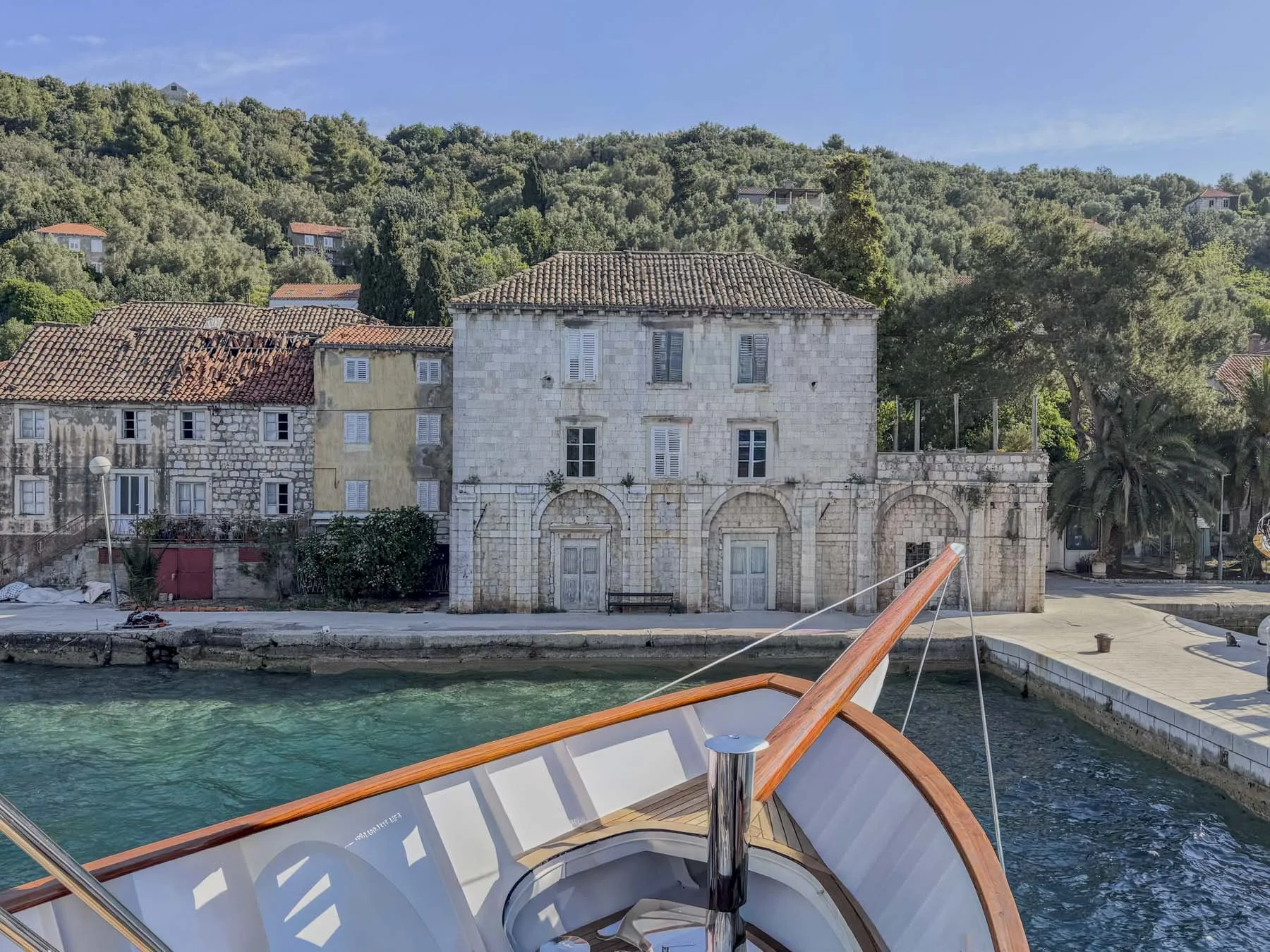
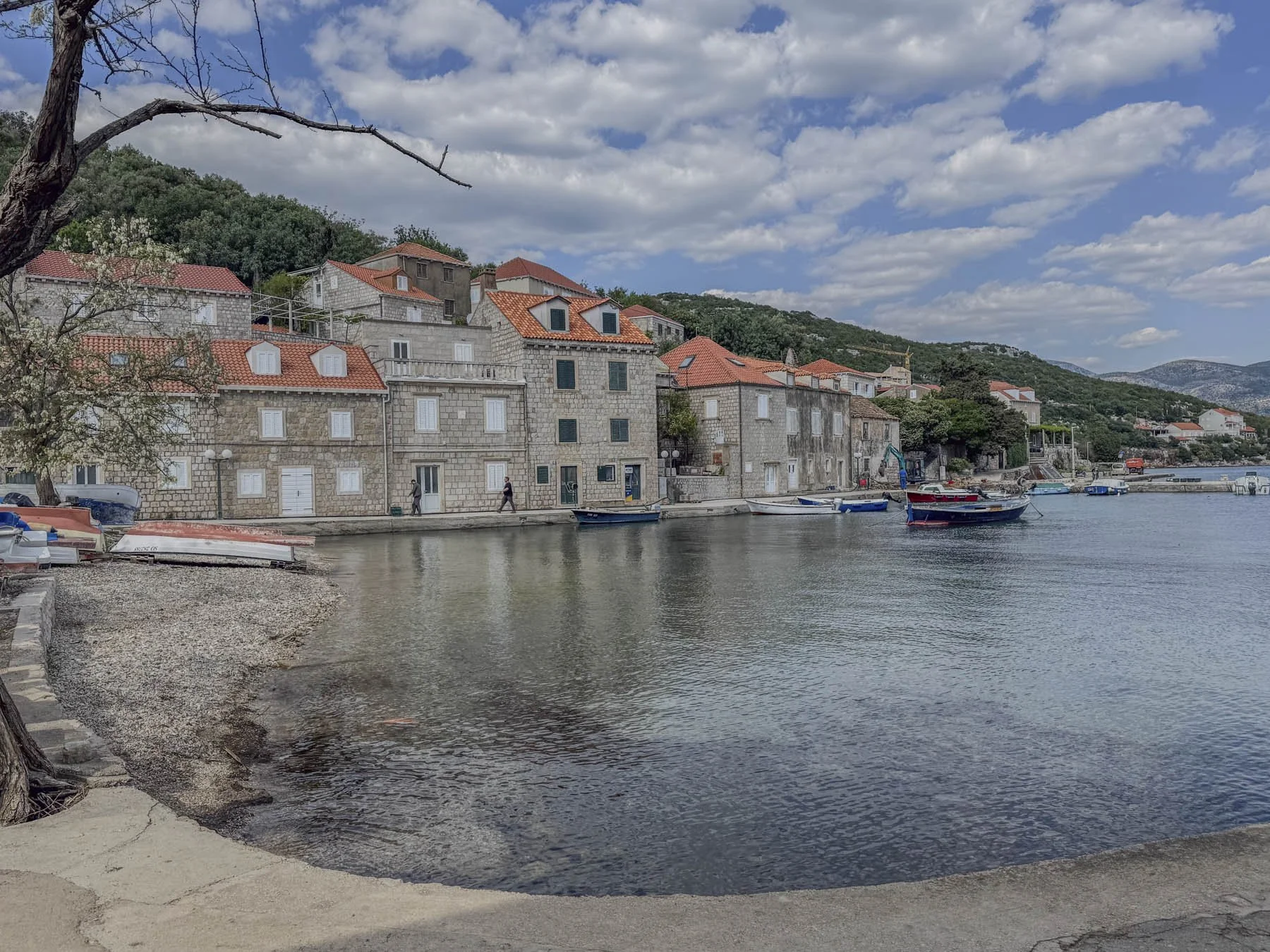
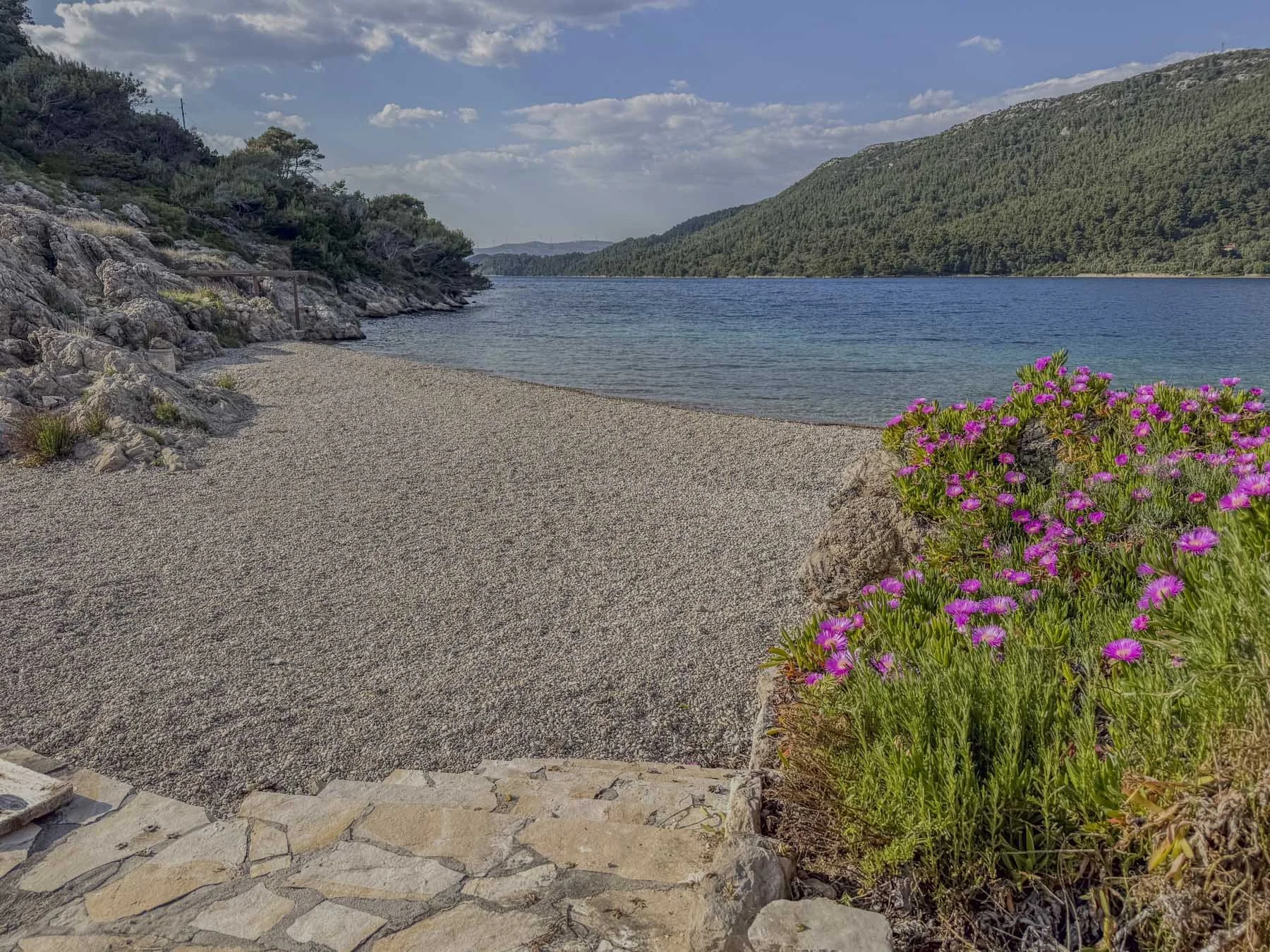
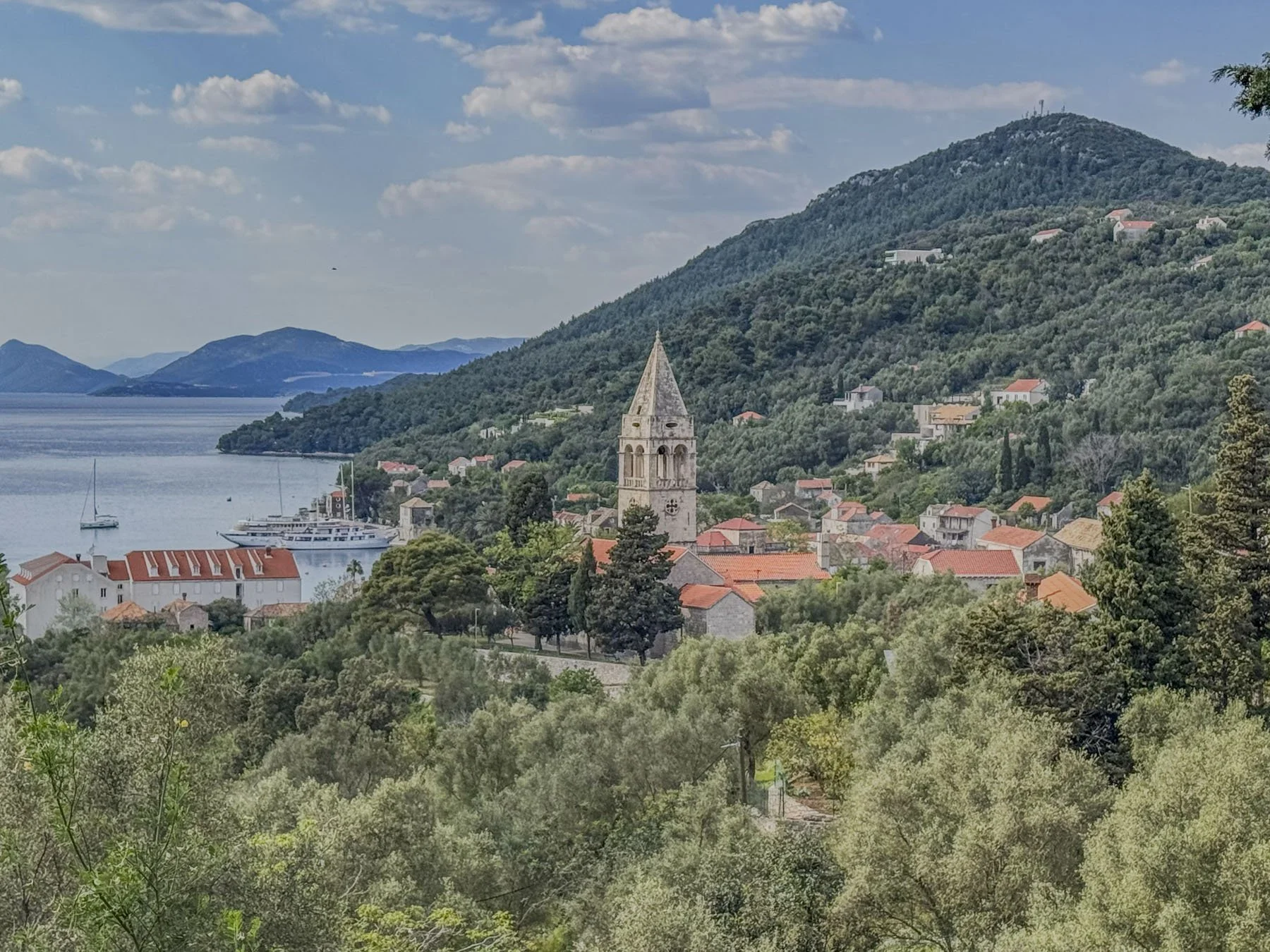
We cycled across the island to Suđurađ, stopping at a small olive oil and wine shop where we sampled the wines and learned a little of the island’s history before continuing on. Back in town, we had time to wander the harbour, climb above the village for views over the bay, and explore a little rocky swimming cove. A few brave souls went into the water while I remained fully committed to appreciating it from shore. Šipan ended up being one of my favourite stops, perhaps because we had enough time to settle into it. Sometimes it’s the slower moments that stay with you.
Mljet: Lakes, Pines, and the Rhythm of the Road
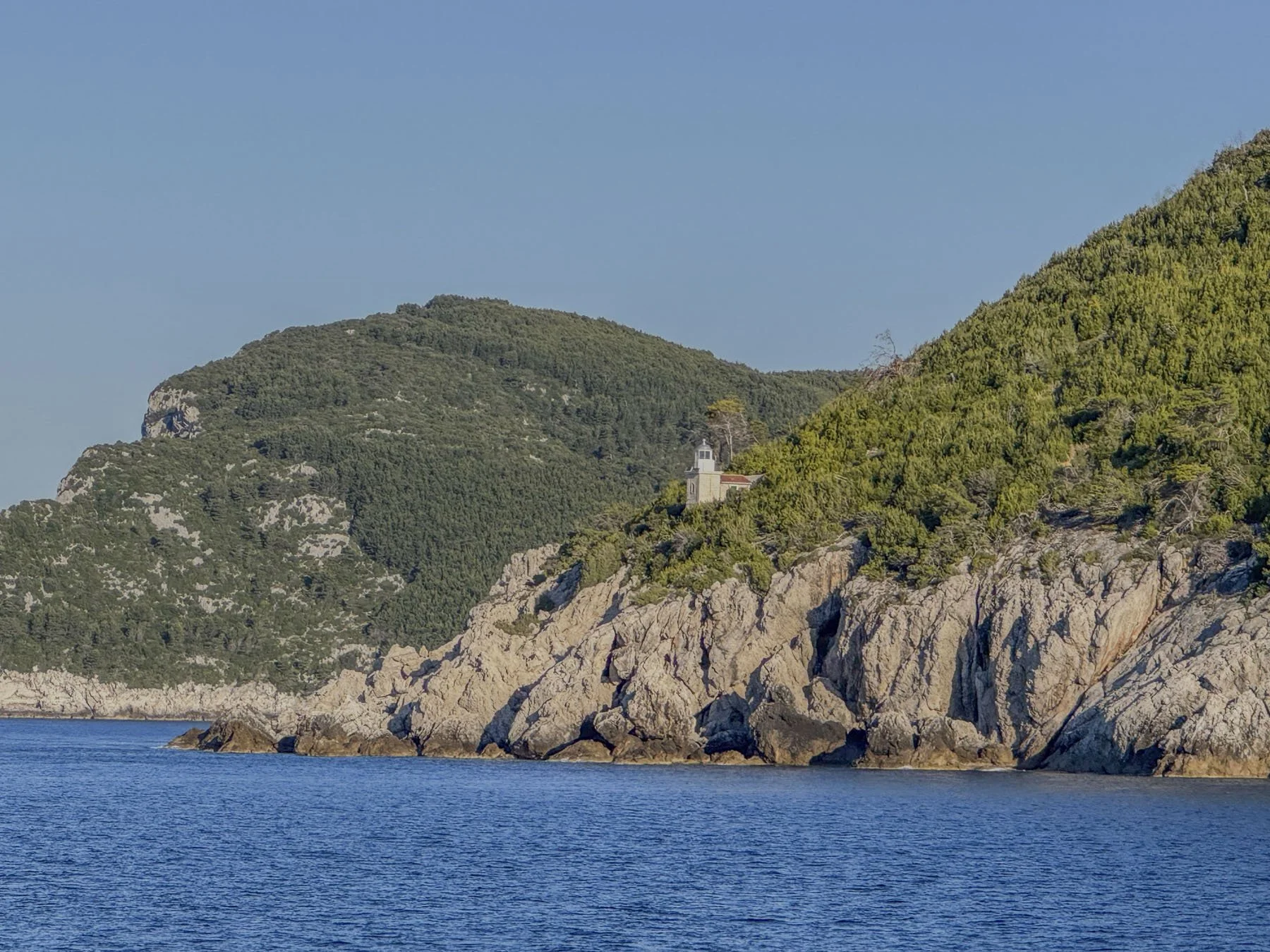
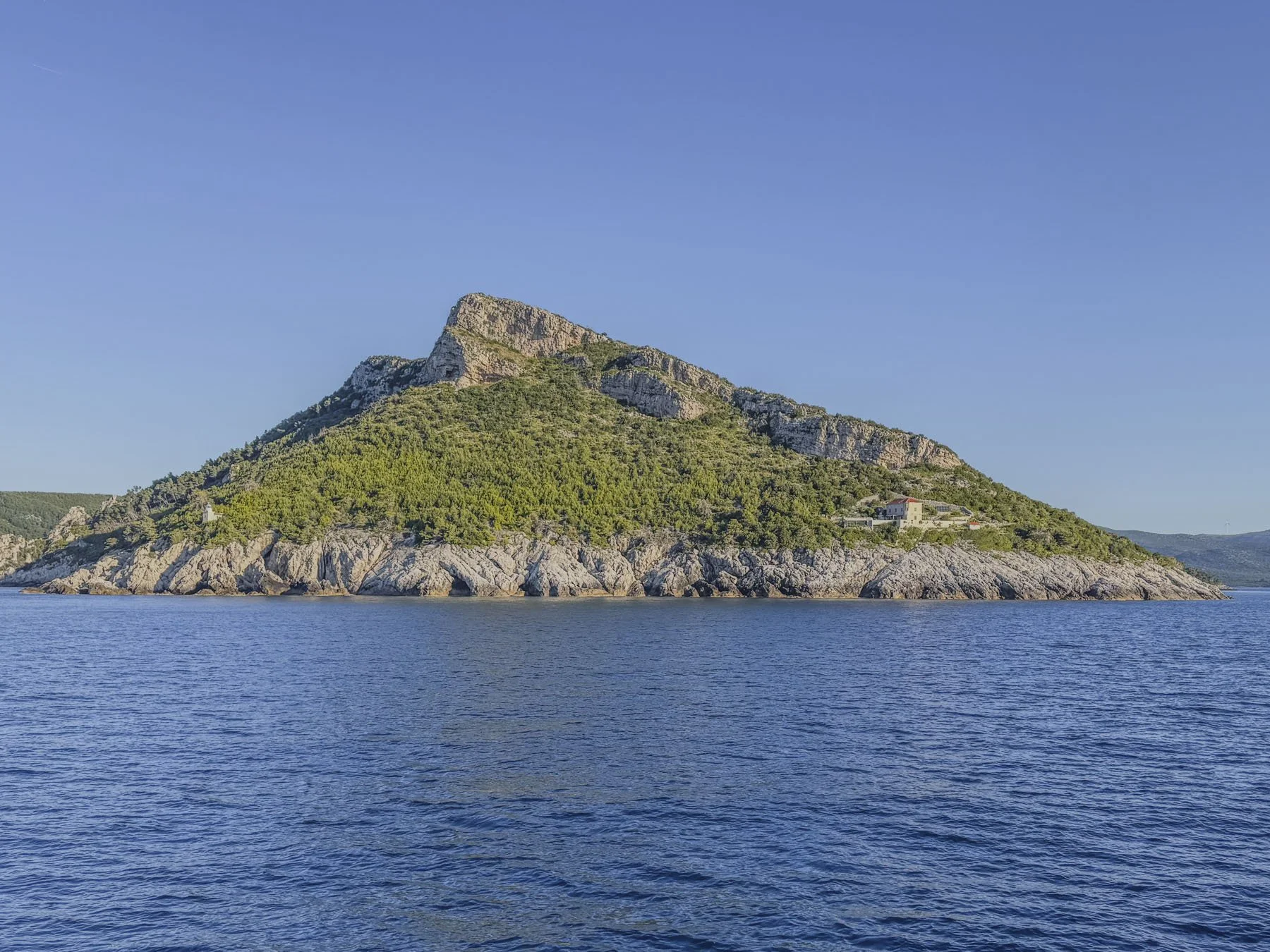
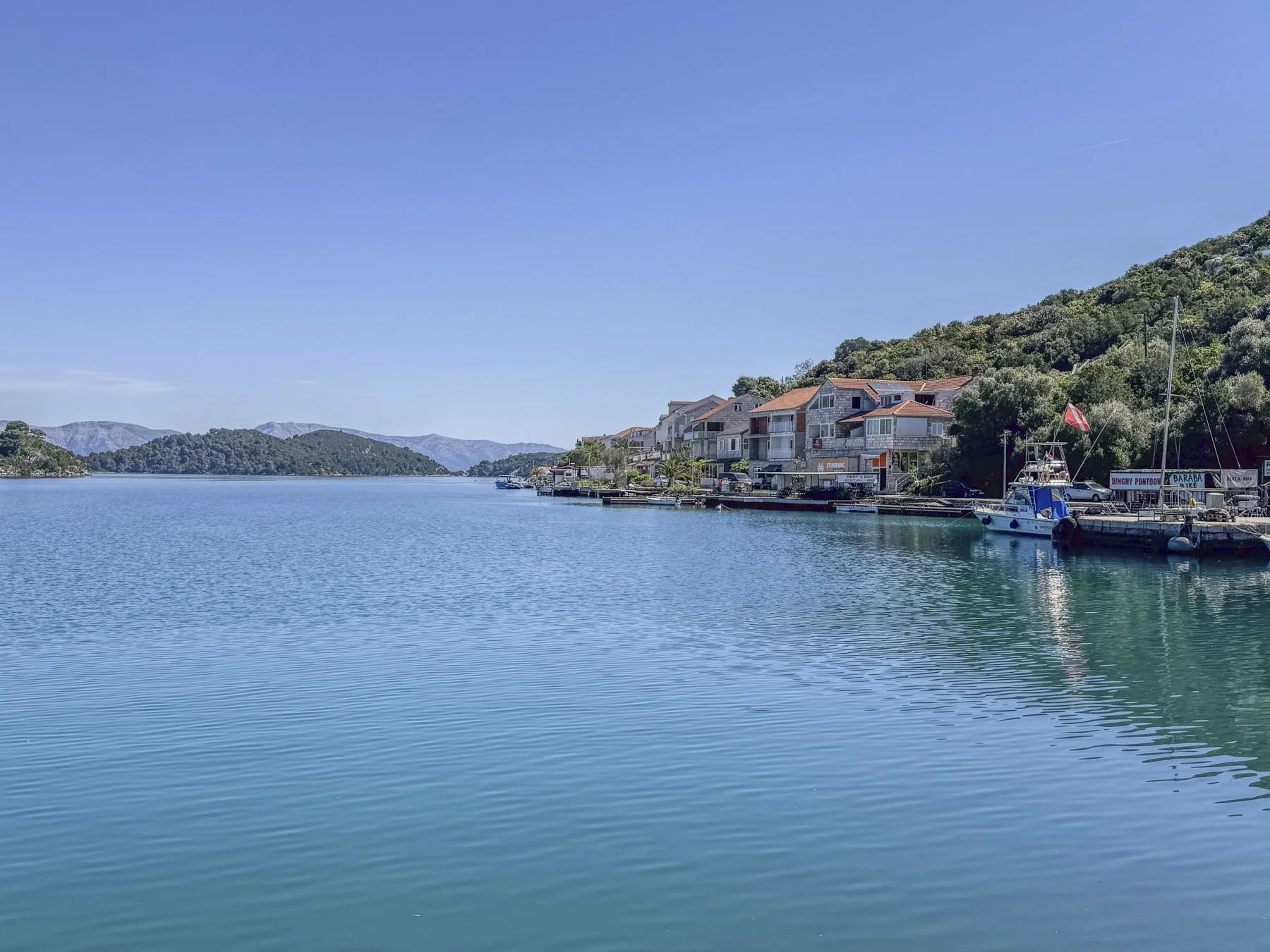
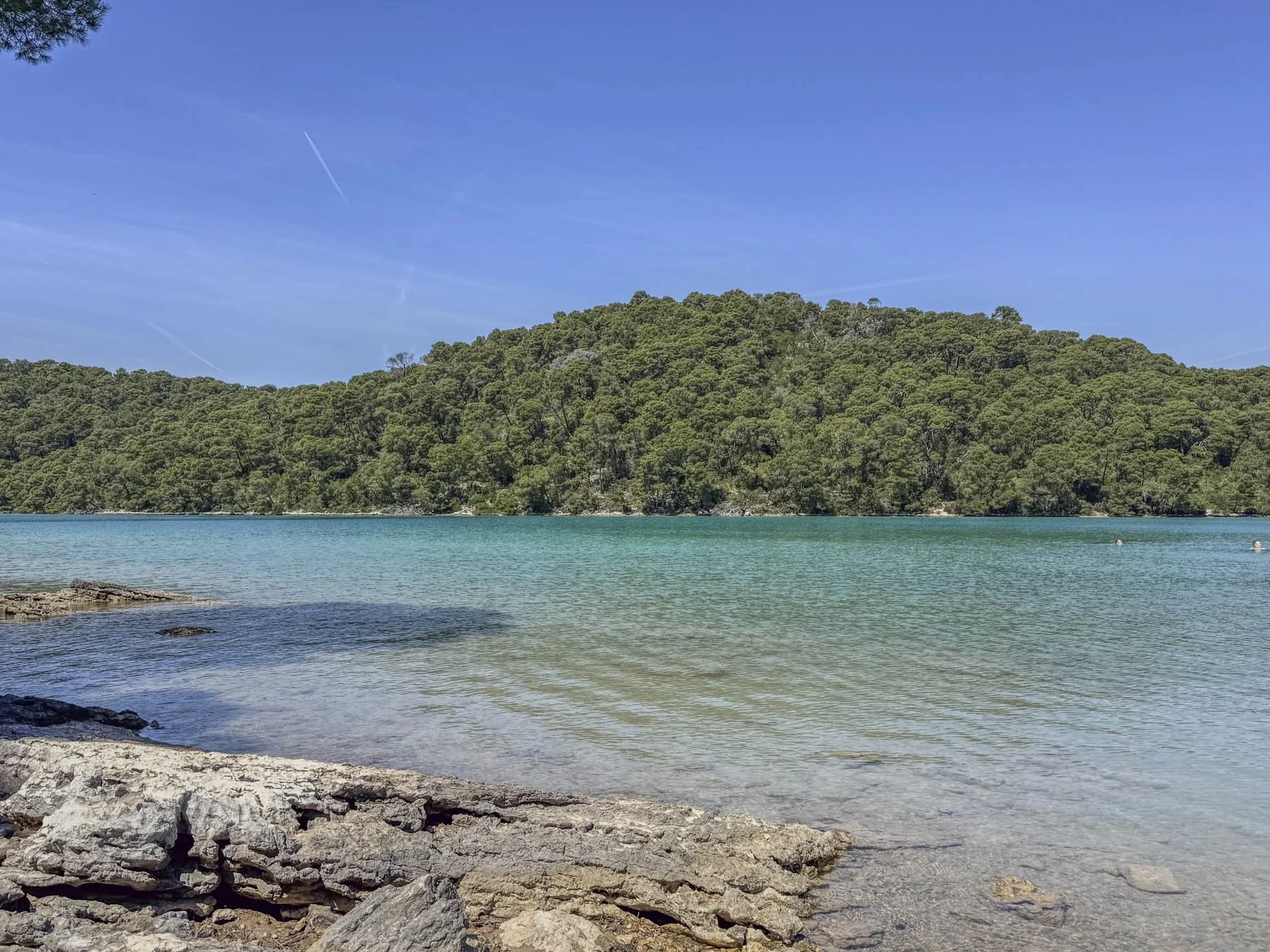
The following morning, we crossed to Mljet, one of Croatia’s greenest islands and home to Mljet National Park, known for its saltwater lakes, dense pine forests, and remarkably peaceful atmosphere. This was our first longer ride, from Sobra to Pomena, and the hills made it clear that the “warm-up” phase of the trip was officially over. The roads wound through the forest and along the coastline, and, thankfully, traffic was lighter here, making for a far more relaxed ride.
By this point, I had become very familiar with the cycling callouts: “car back!” and “car forward!” Warnings shouted up and down the line whenever vehicles approached from behind or ahead. By the end of the trip, it had become almost a running joke, except it was also entirely necessary. Croatian drivers were generally respectful, but not nearly as cautious around cyclists as I’d expected, and there were plenty of narrow roads where everyone needed to stay alert.
At one of Mljet’s lakes, some of the group took another opportunity for a swim. I, once again, took the opportunity for a snack and a scenic view instead. It was a beautiful ride — the kind where the landscape distracts you just enough to make you forget you’re climbing.
Korčula: Stone Streets and Harbour Life
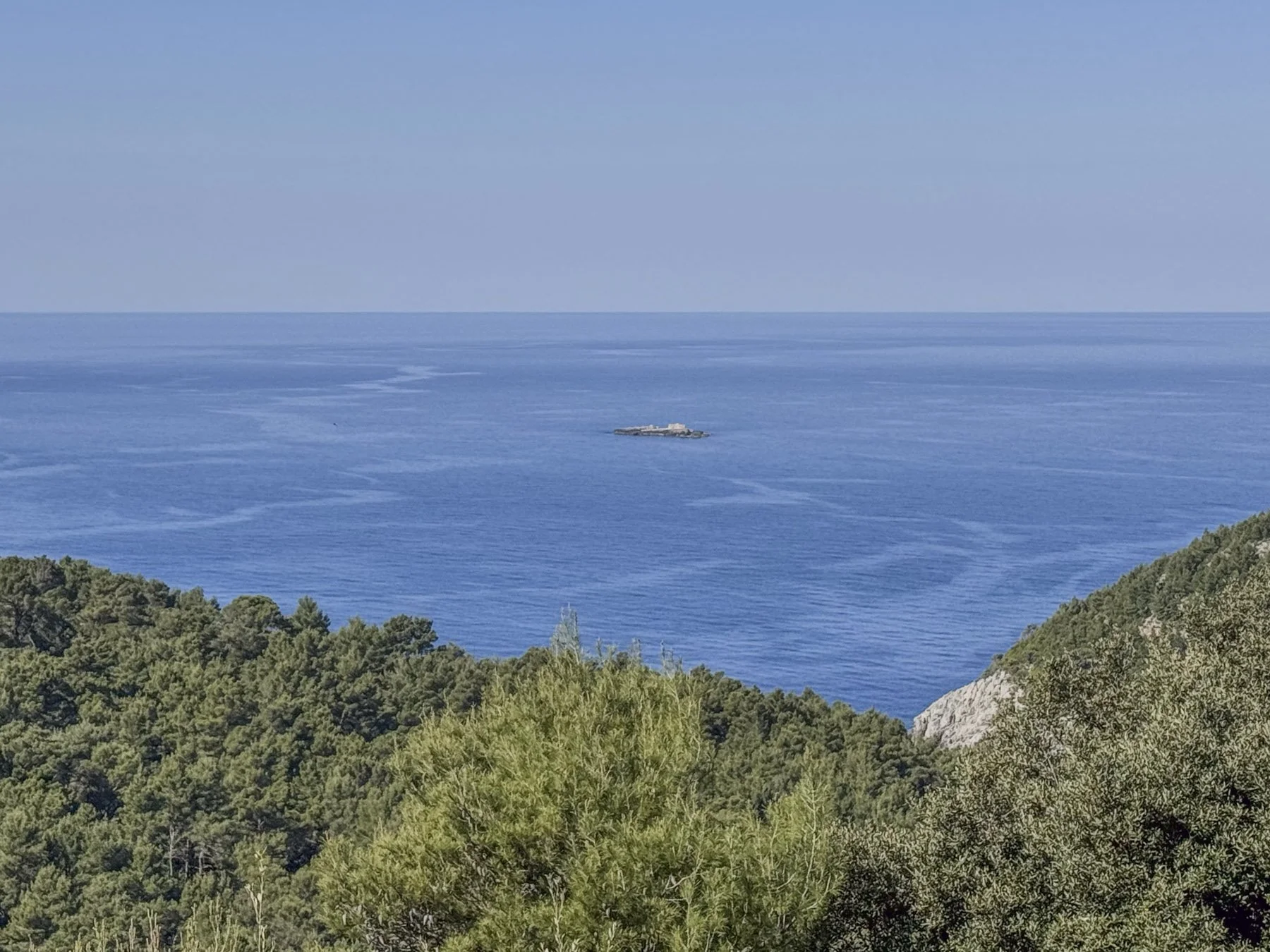
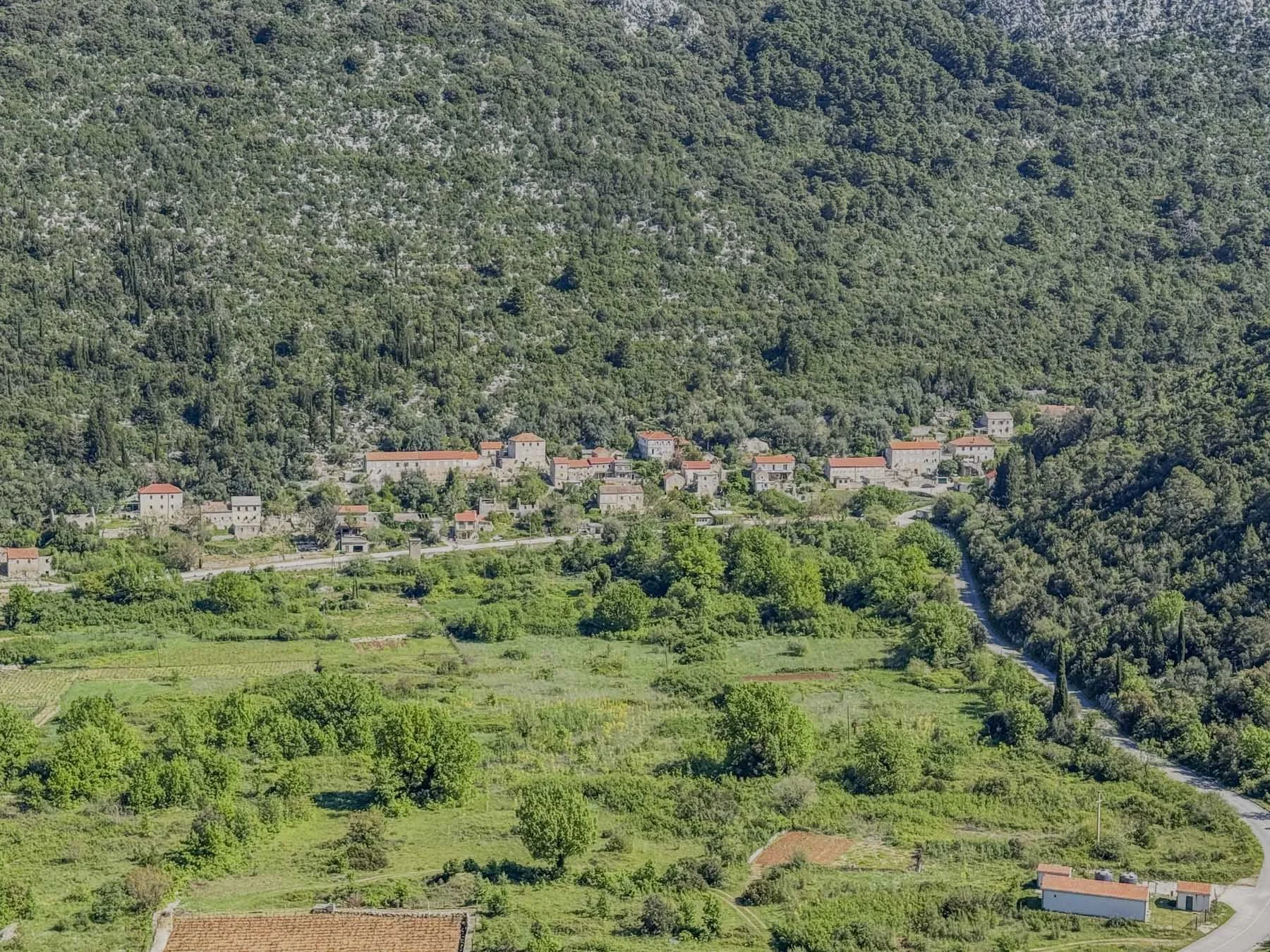
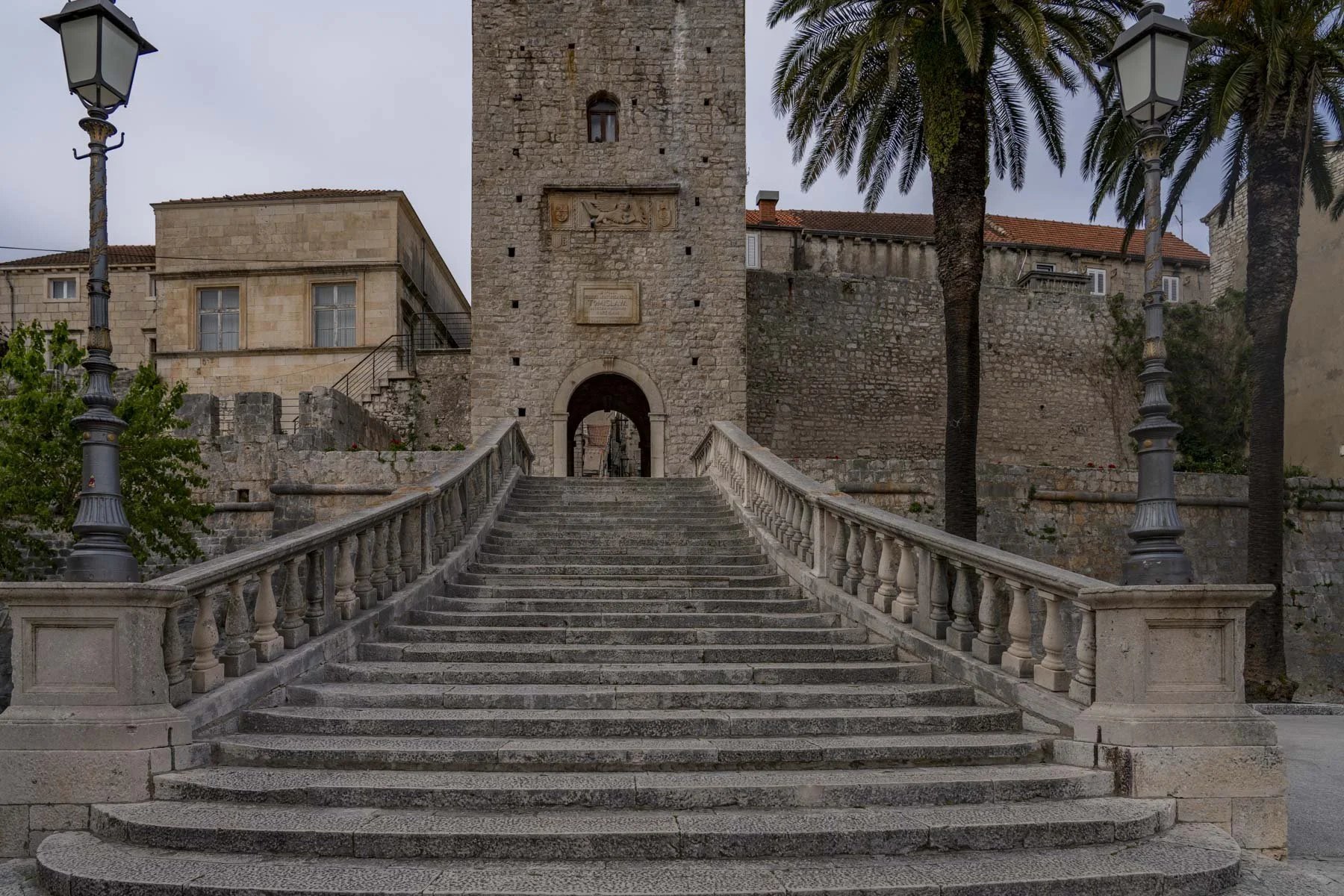
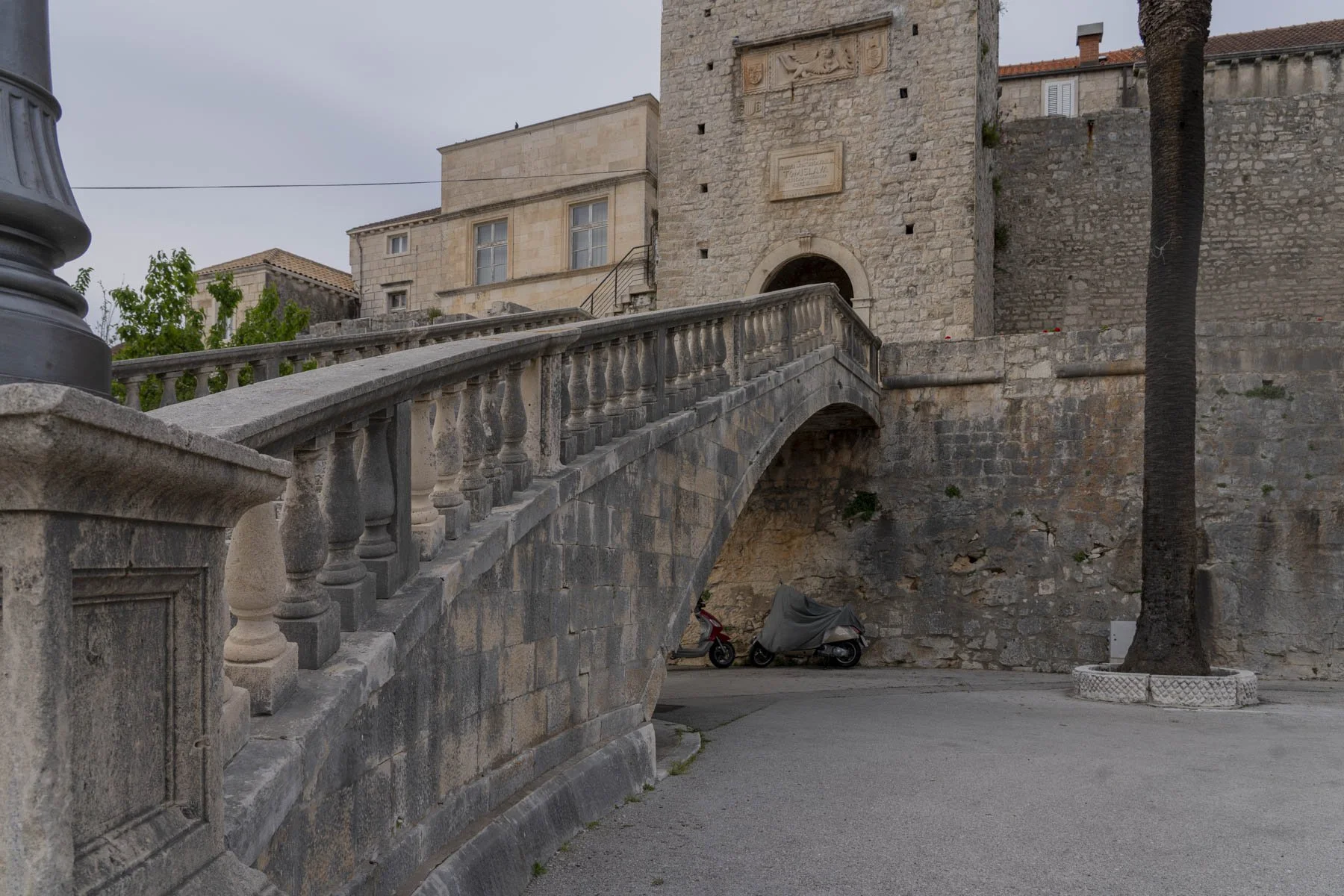
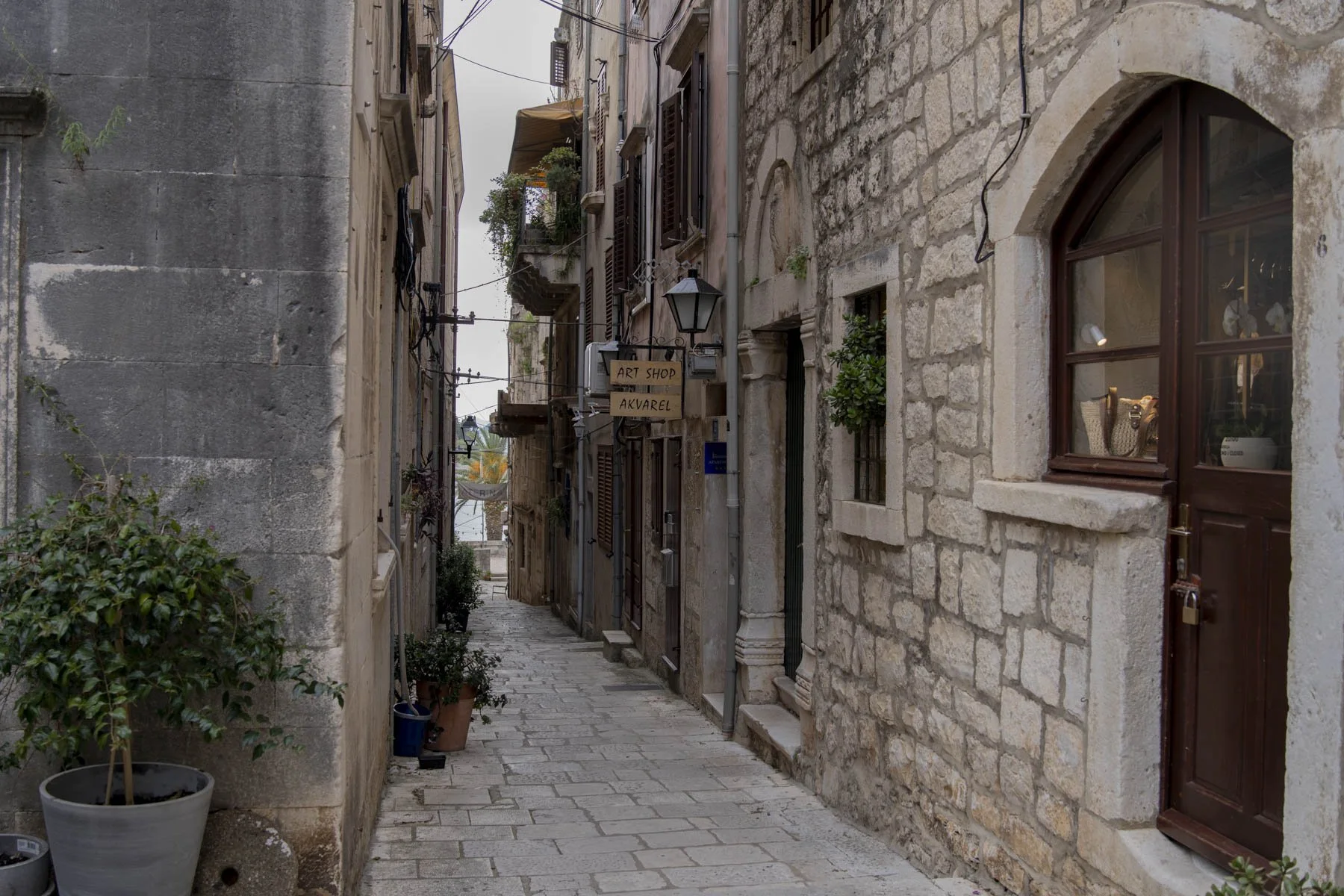
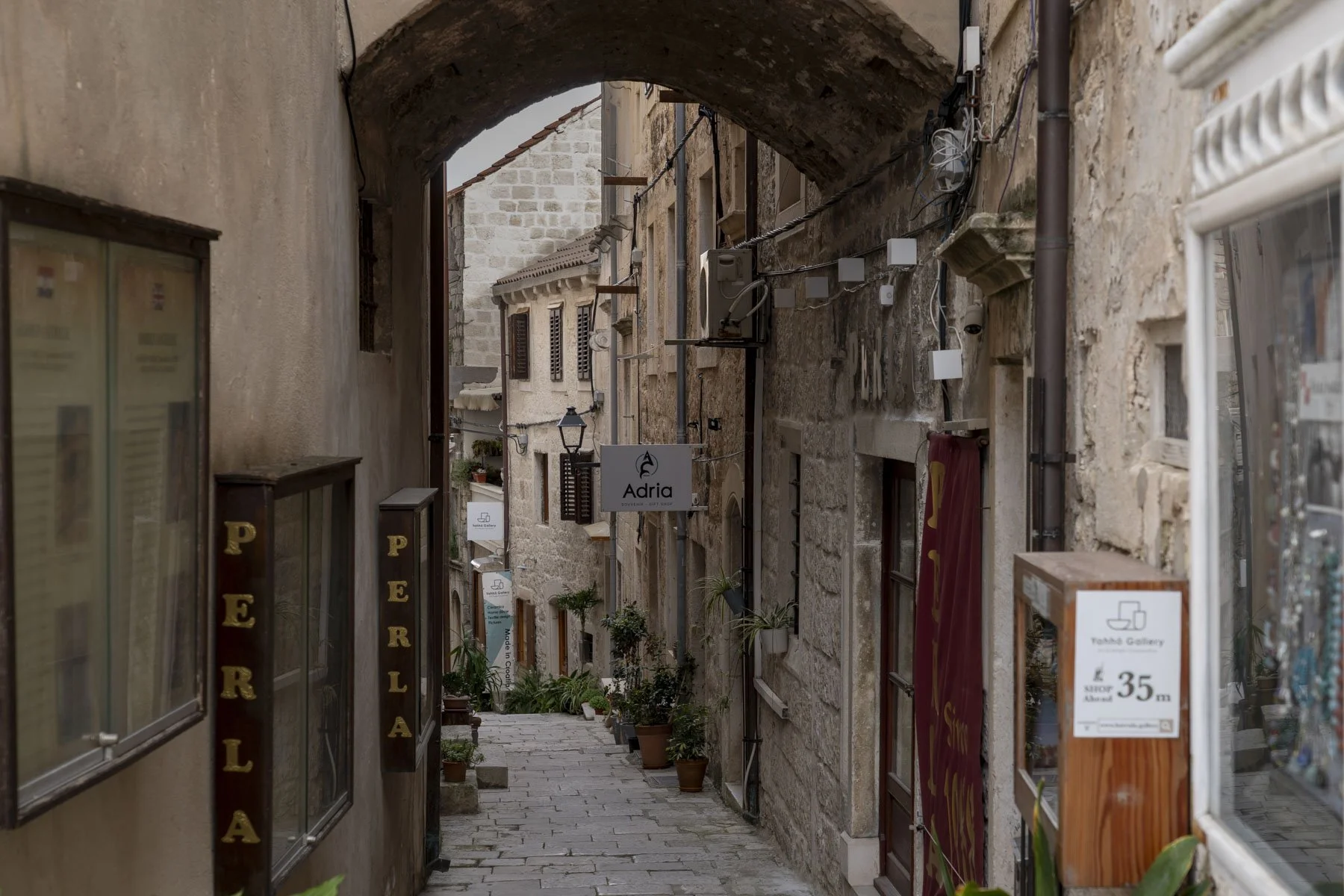
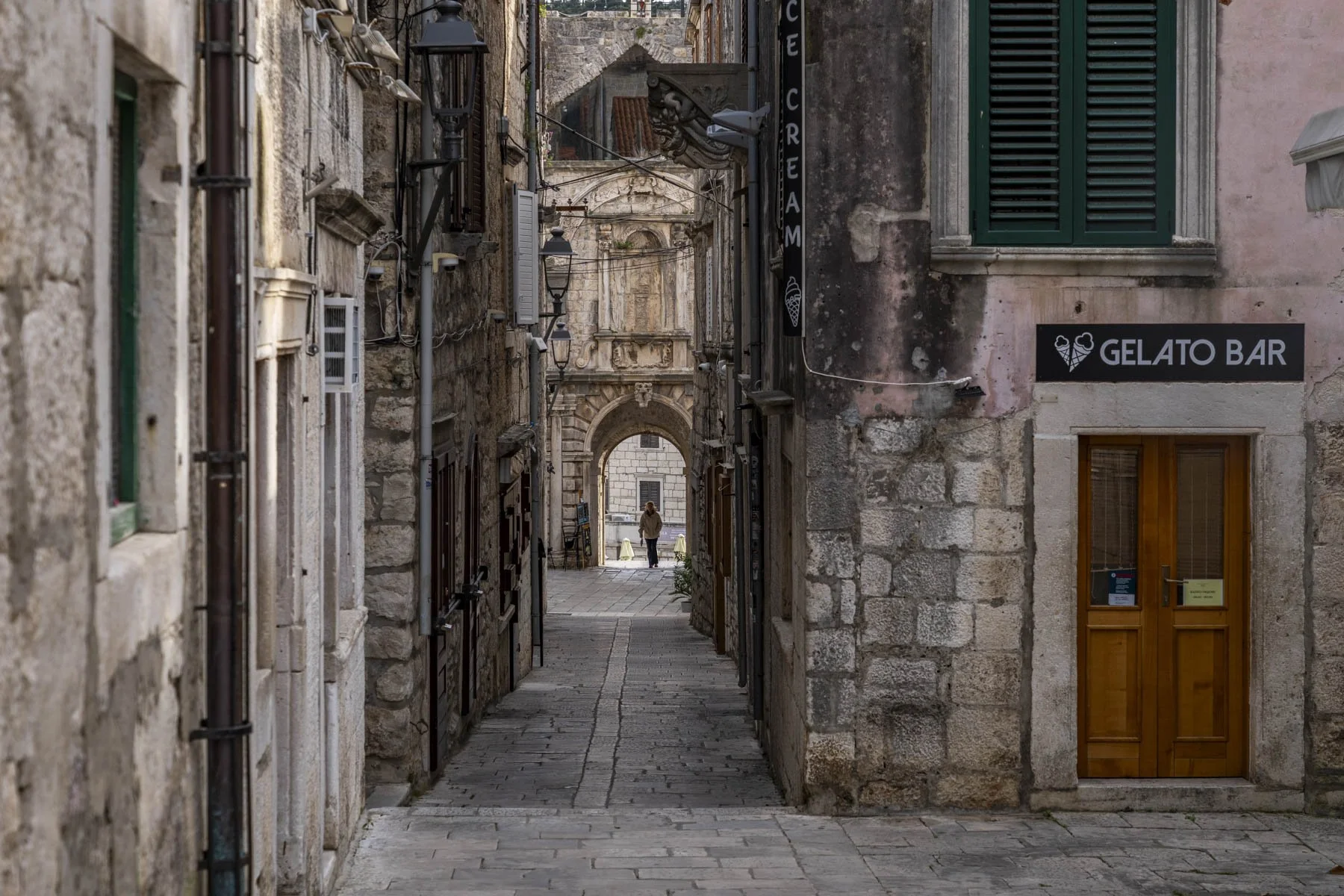
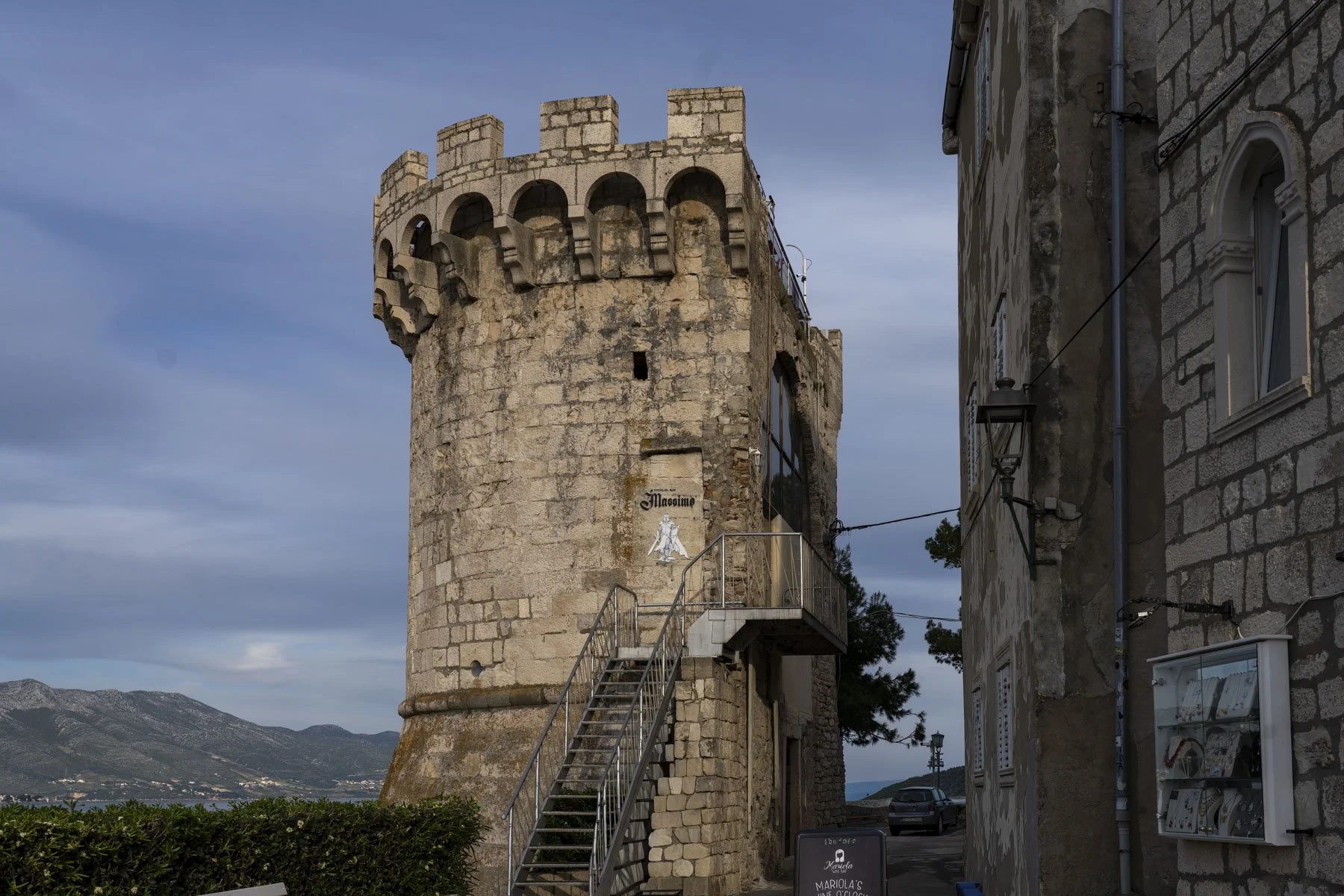
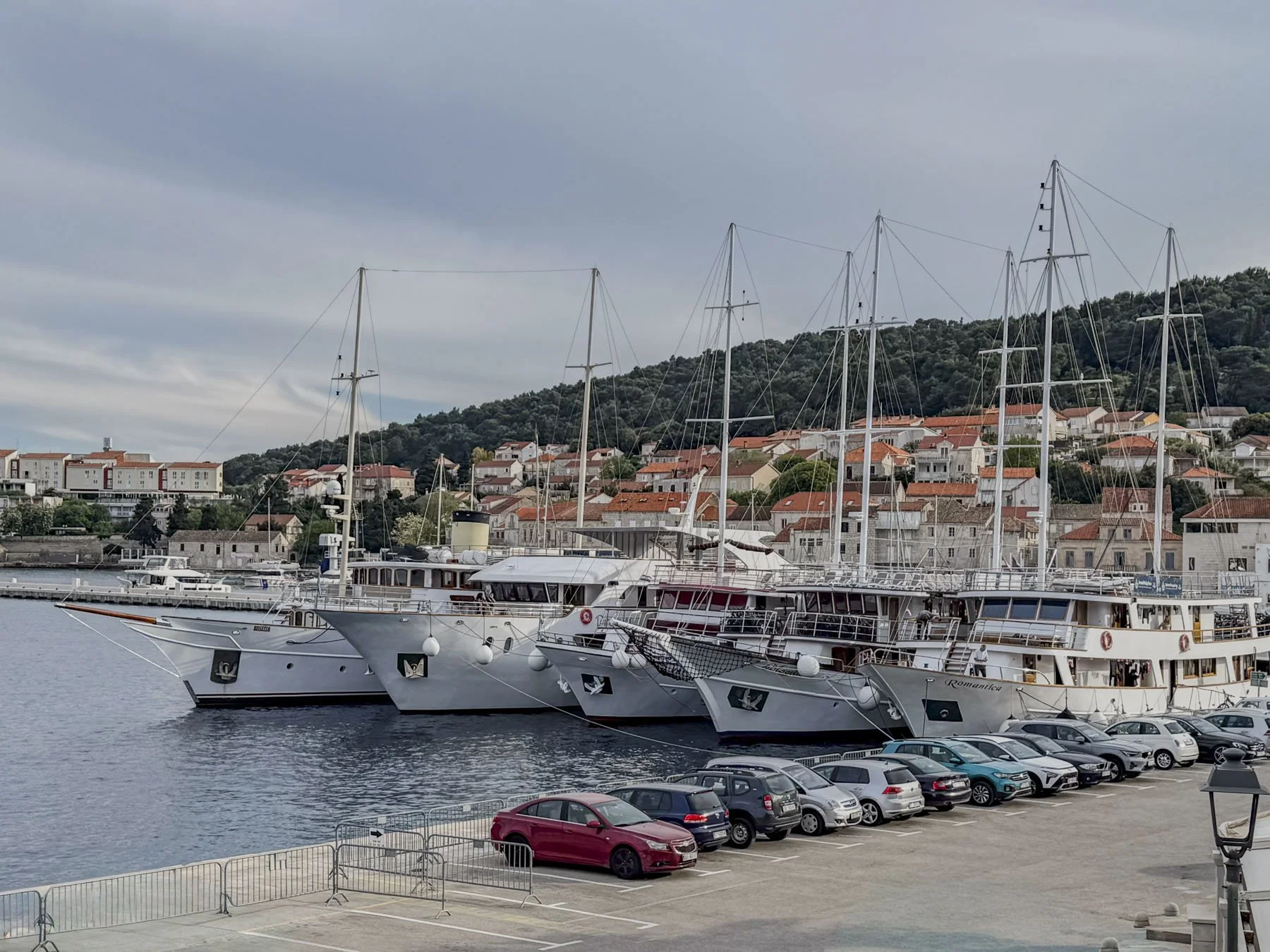
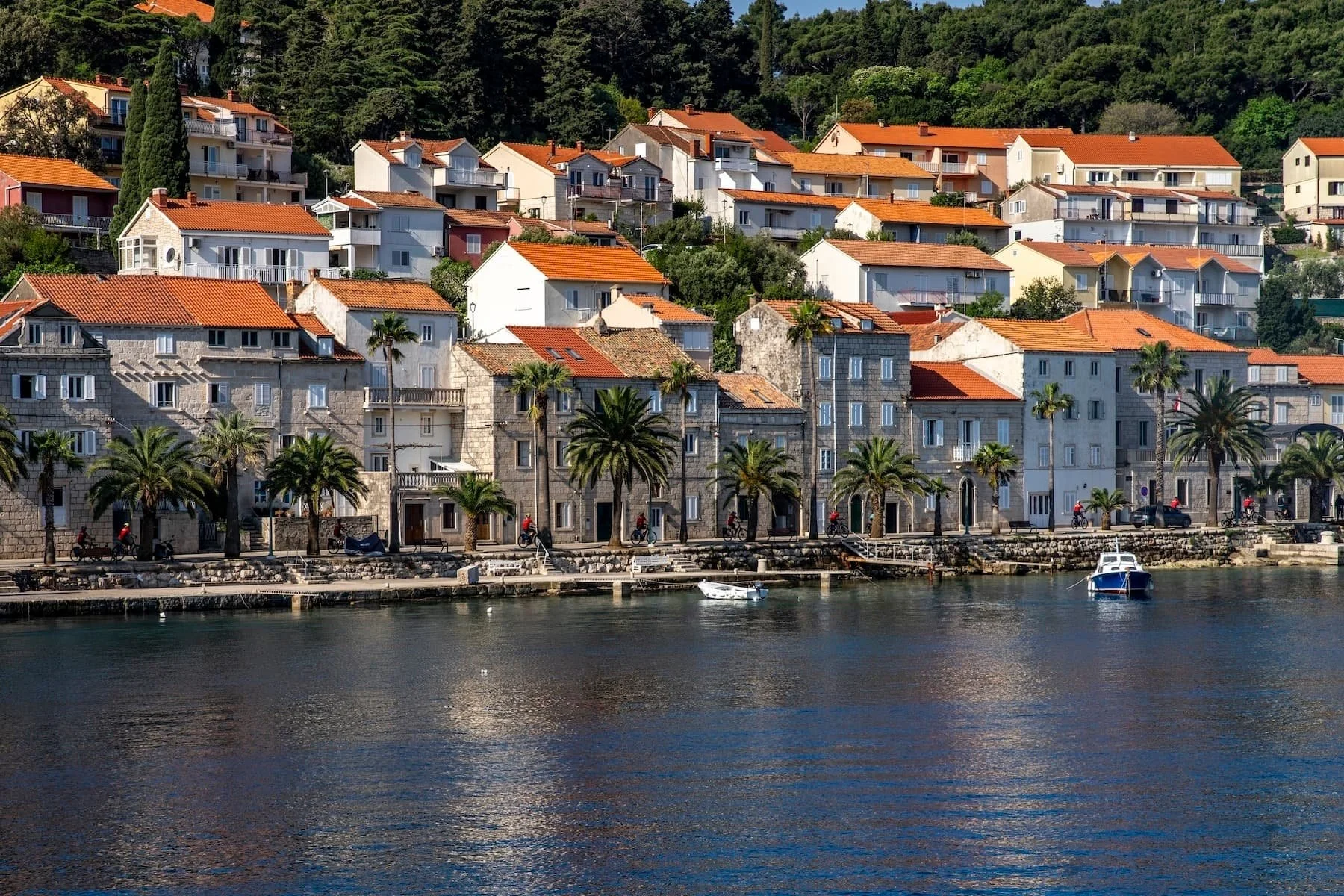
While we had lunch onboard, the boat continued to Korčula, whose old town is often called a “mini Dubrovnik.” It’s easy to understand why: medieval stone streets, defensive walls, and narrow lanes arranged in a herringbone pattern designed centuries ago to reduce wind while allowing airflow. We joined a short walking tour that evening and then found pizza for dinner — always a reliable way to end a travel day.
It was Sunday, so much of the town was closed, which made it feel quieter than usual, but still charming. One thing I hadn’t expected was the harbour setup. Boats often dock side-by-side, sometimes three or four deep, so getting on or off meant walking across other boats — and occasionally they crossed over through ours. It’s completely normal there, but it was entirely new to me.
A Day Off at Sea
The next day, while the cyclists tackled the longest ride of the trip from Korčula Town to Vela Luka, my friend and I decided to take a day off and stay on the boat. Partly because we needed the break, and partly because by then we had realized our riding style was a little different from much of the group. Many of the others were completely comfortable flying downhill at speeds that felt ambitious to me, especially on roads with steep drop-offs or sharp edges and the occasional oncoming car. It wasn’t about ability so much as comfort, and this trip made that very clear.
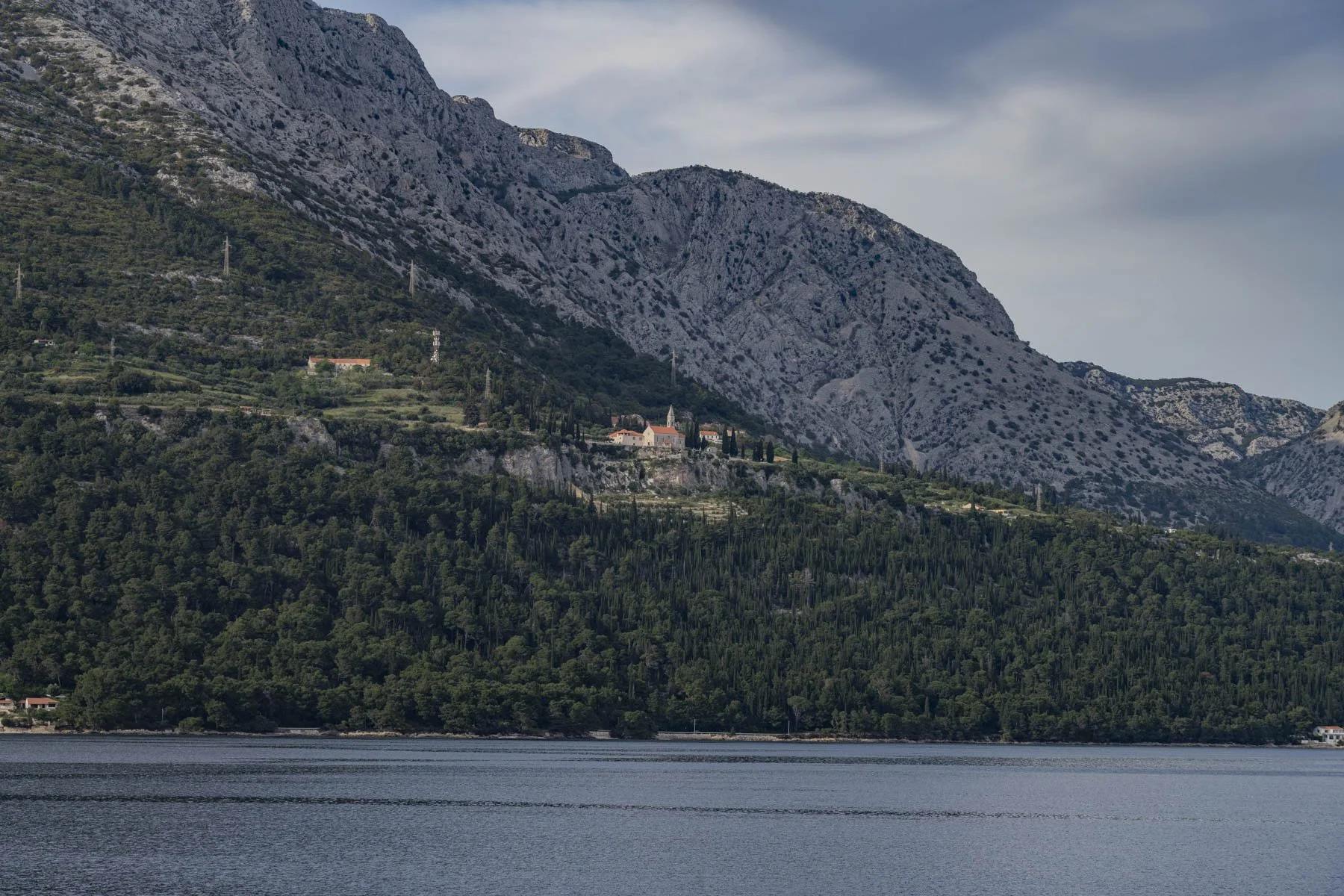
We had quietly hoped the boat might stay docked in Korčula so we could explore more, but as soon as the cyclists rolled out, the boat left the harbour. Apparently, the boat waits for no one. So instead, we spent the day cruising through the Adriatic, watching islands drift past and enjoying the unusual luxury of having most of the boat to ourselves.
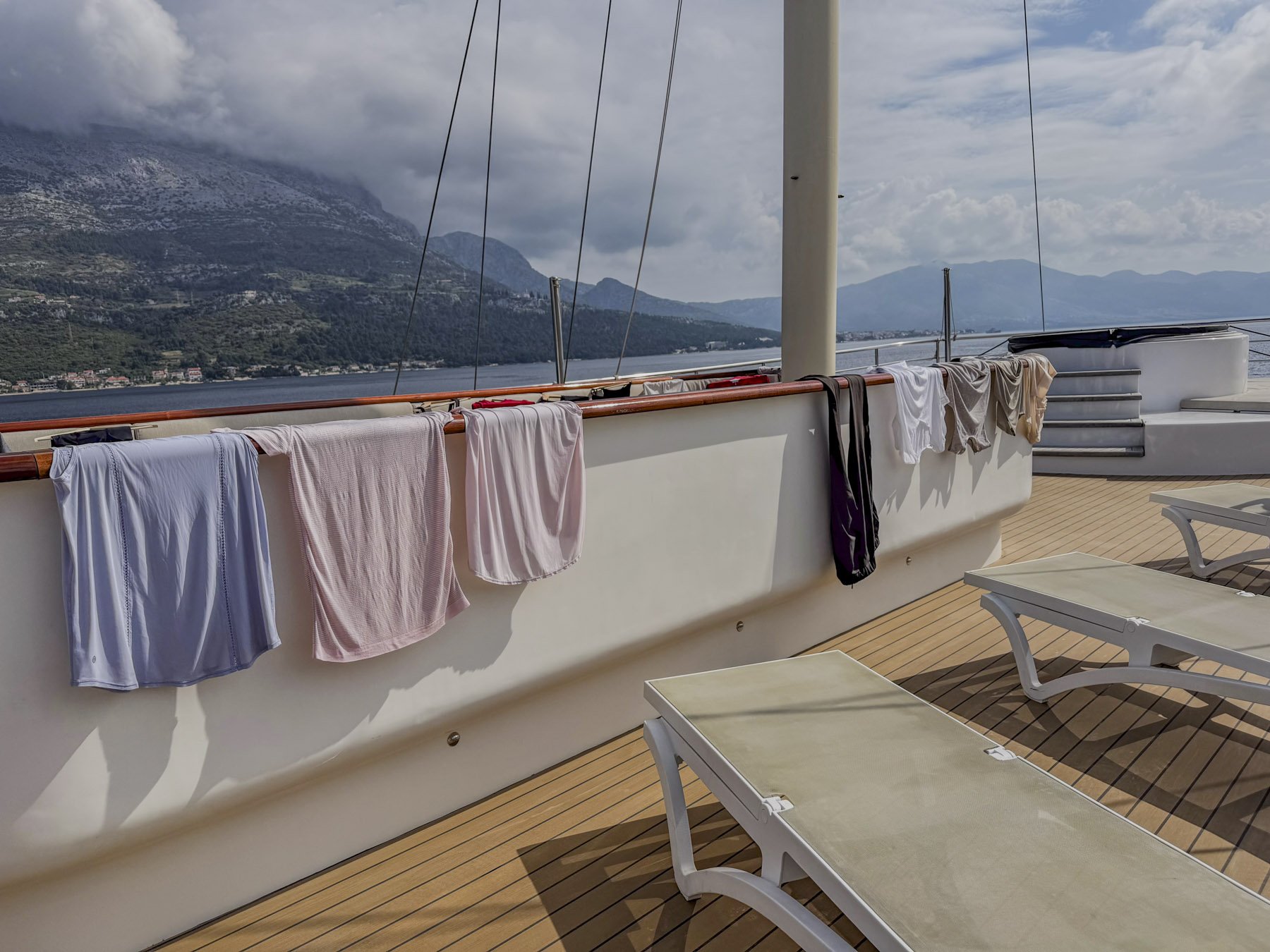
And because travel always finds a way to be practical, we also did laundry, spreading it out on the top deck to dry in the sun. Efficient, if not elegant. The captain wandered up at one point and found our socks and shirts sunbathing. Mildly embarrassing, but he seemed entirely unfazed.
Vis: Open Water and Winding Roads
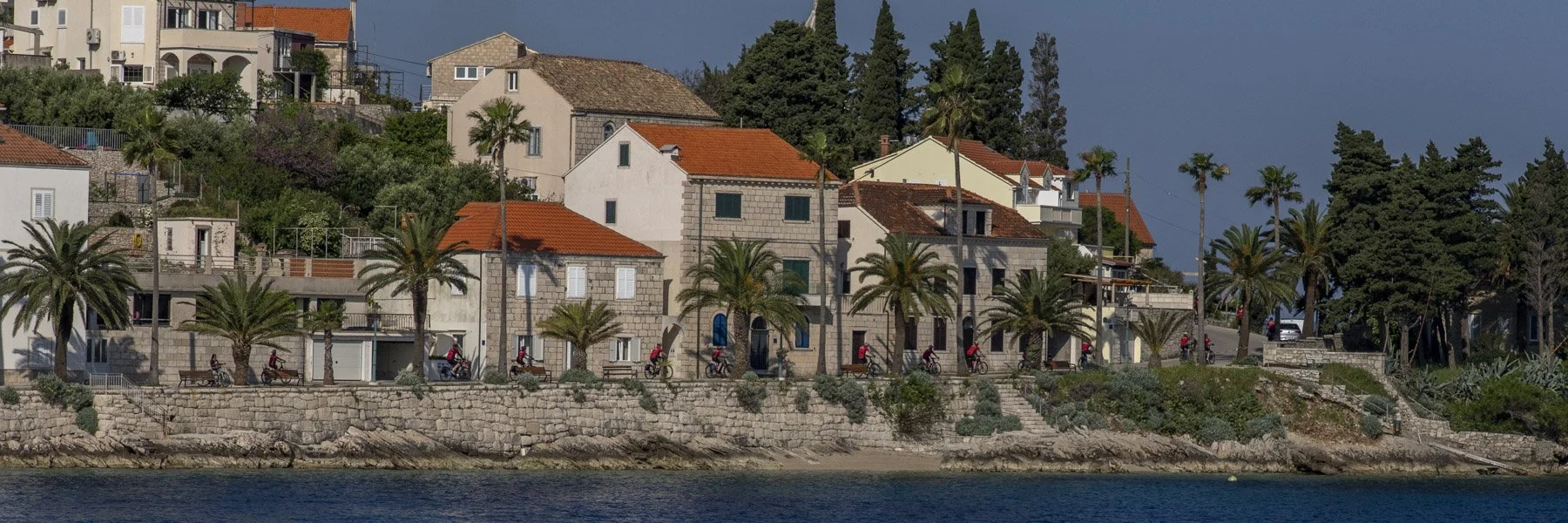
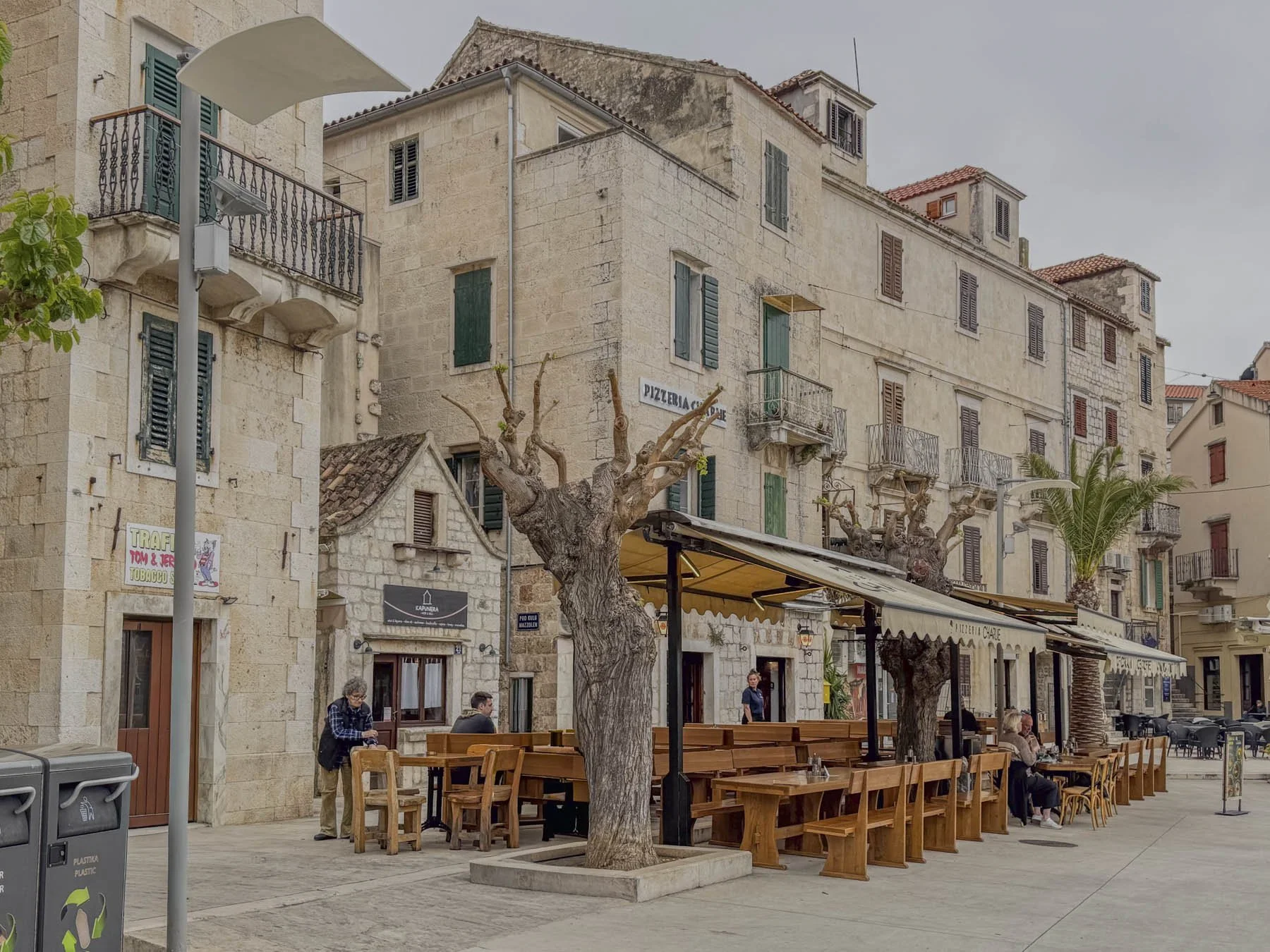
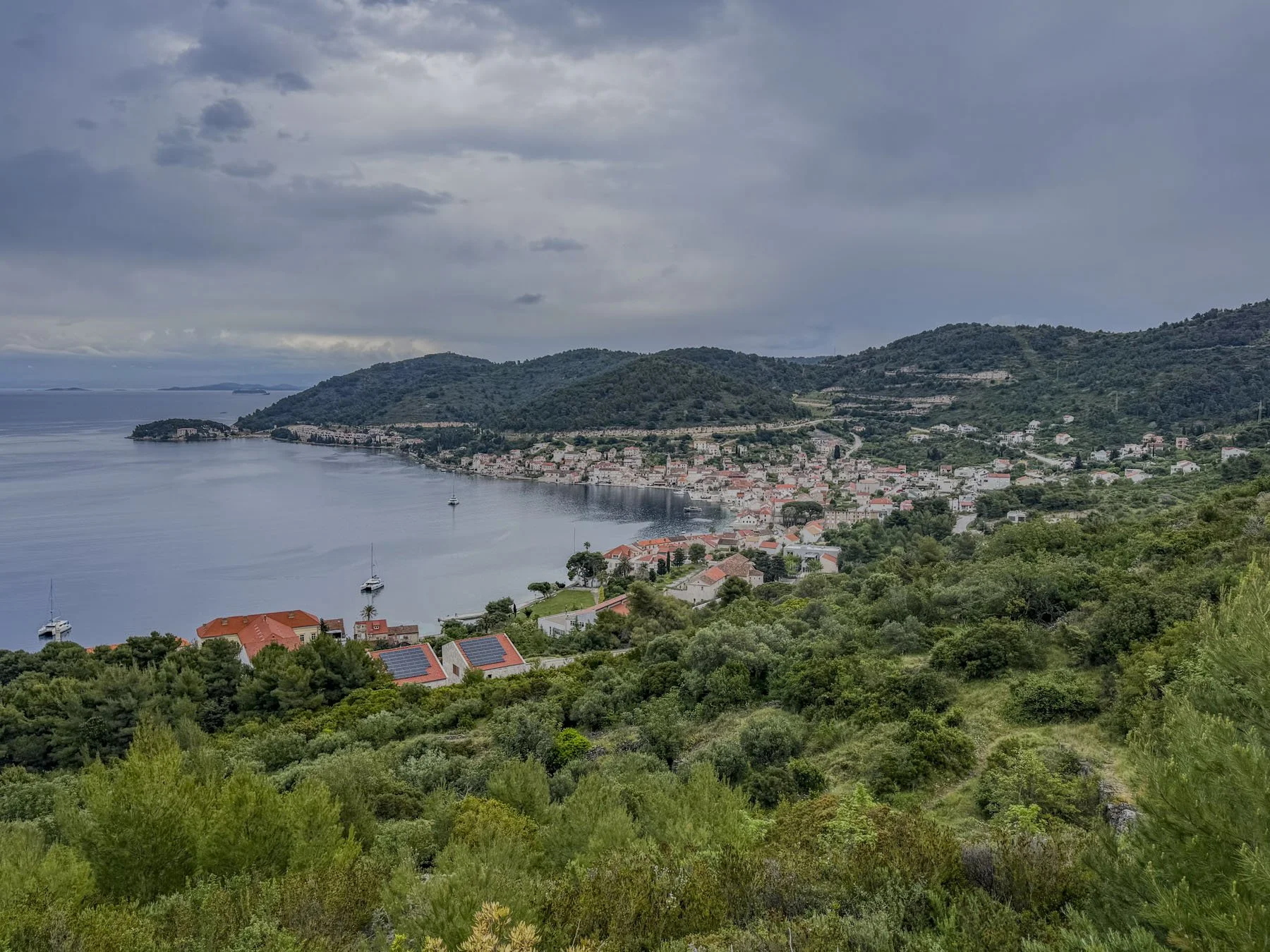
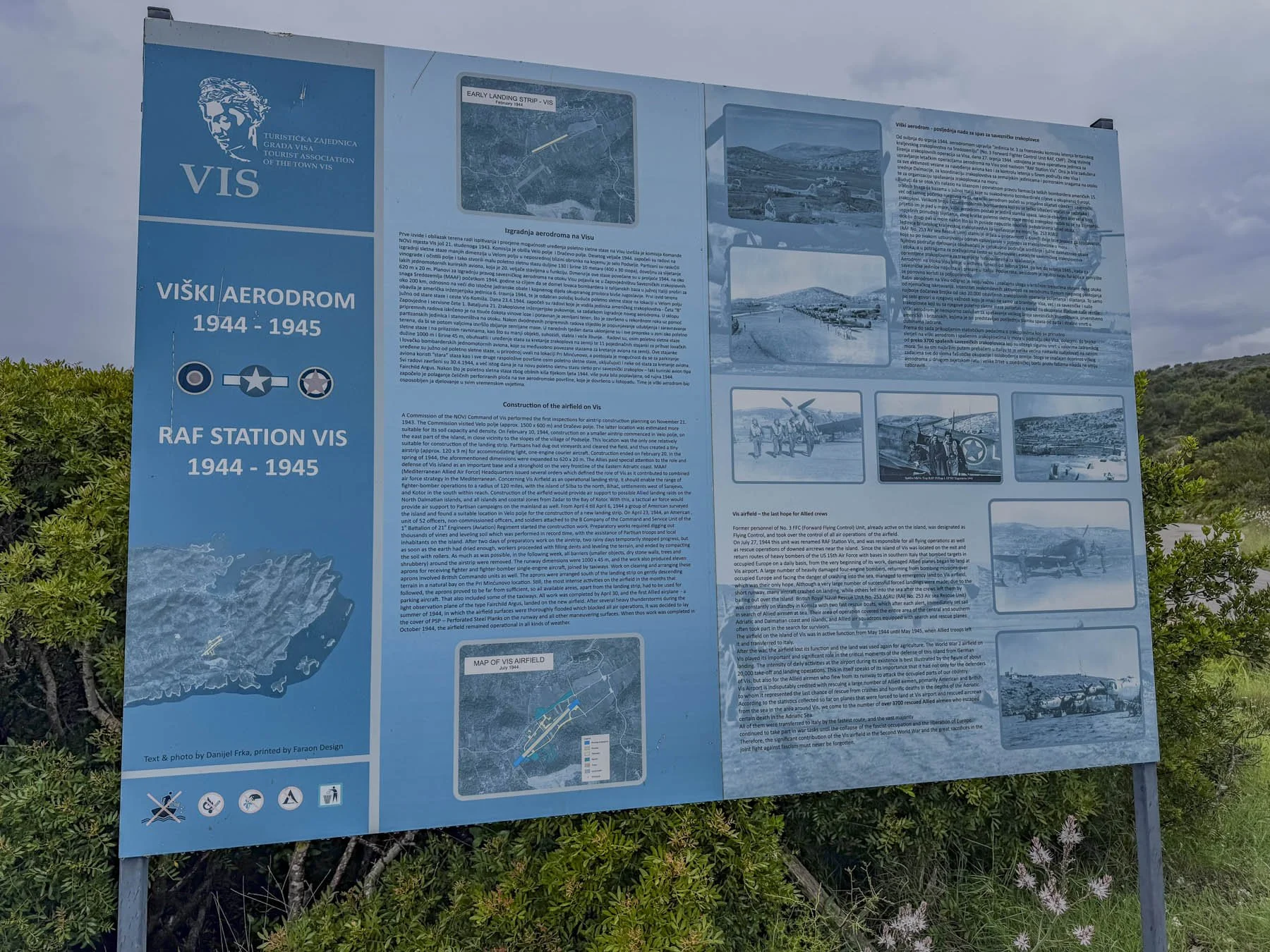
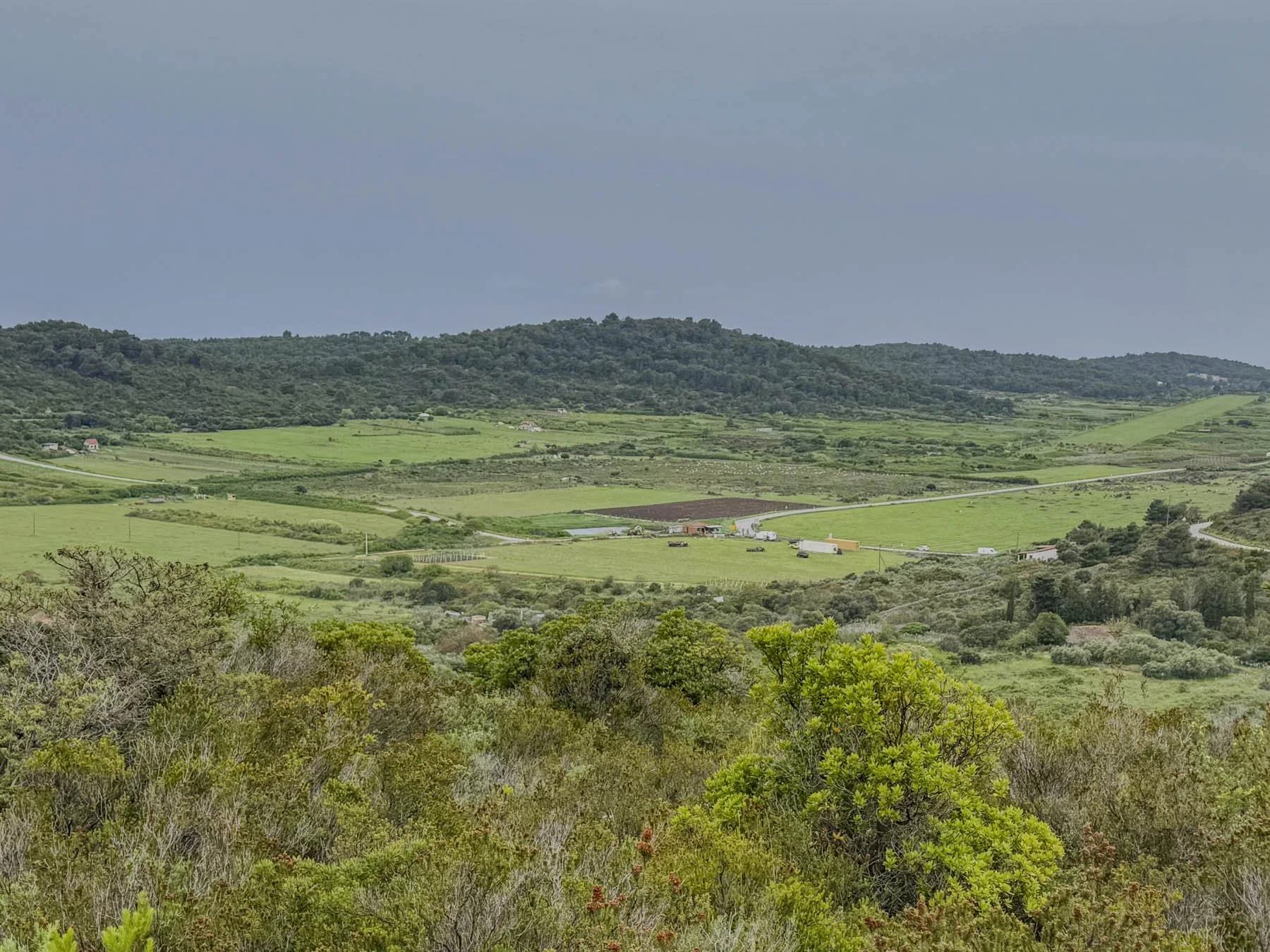
Our longest crossing brought us to Vis, the farthest inhabited Croatian island from the mainland. For decades, it was closed to foreign visitors because of its military importance, only reopening in the 1990s, and that isolation helped preserve much of its original character. The crossing itself felt different — more open water, more movement, and a noticeable reminder that this was no longer just island-hopping through sheltered bays. I didn’t get seasick, but I was aware of every rise and fall of the boat.
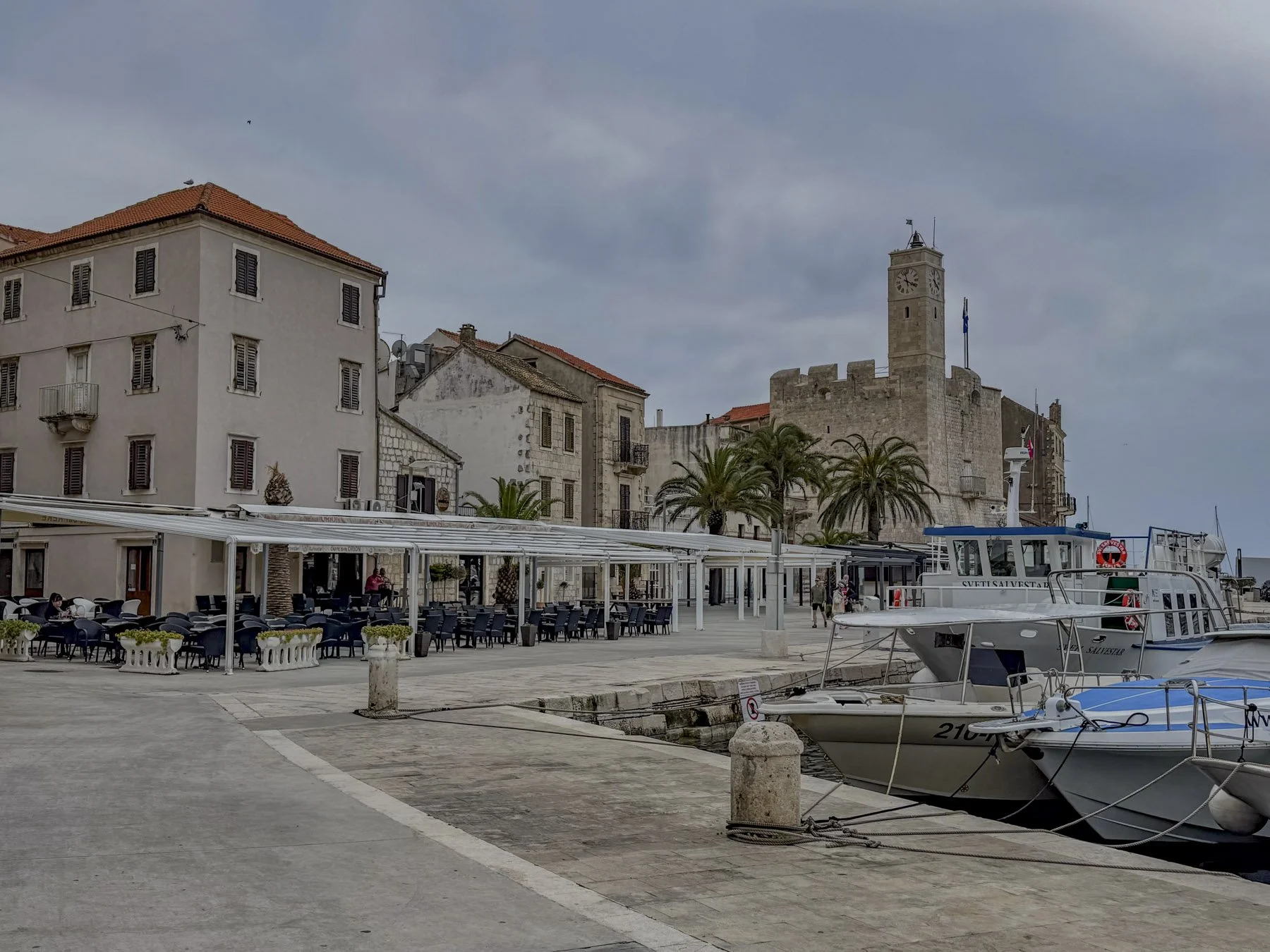
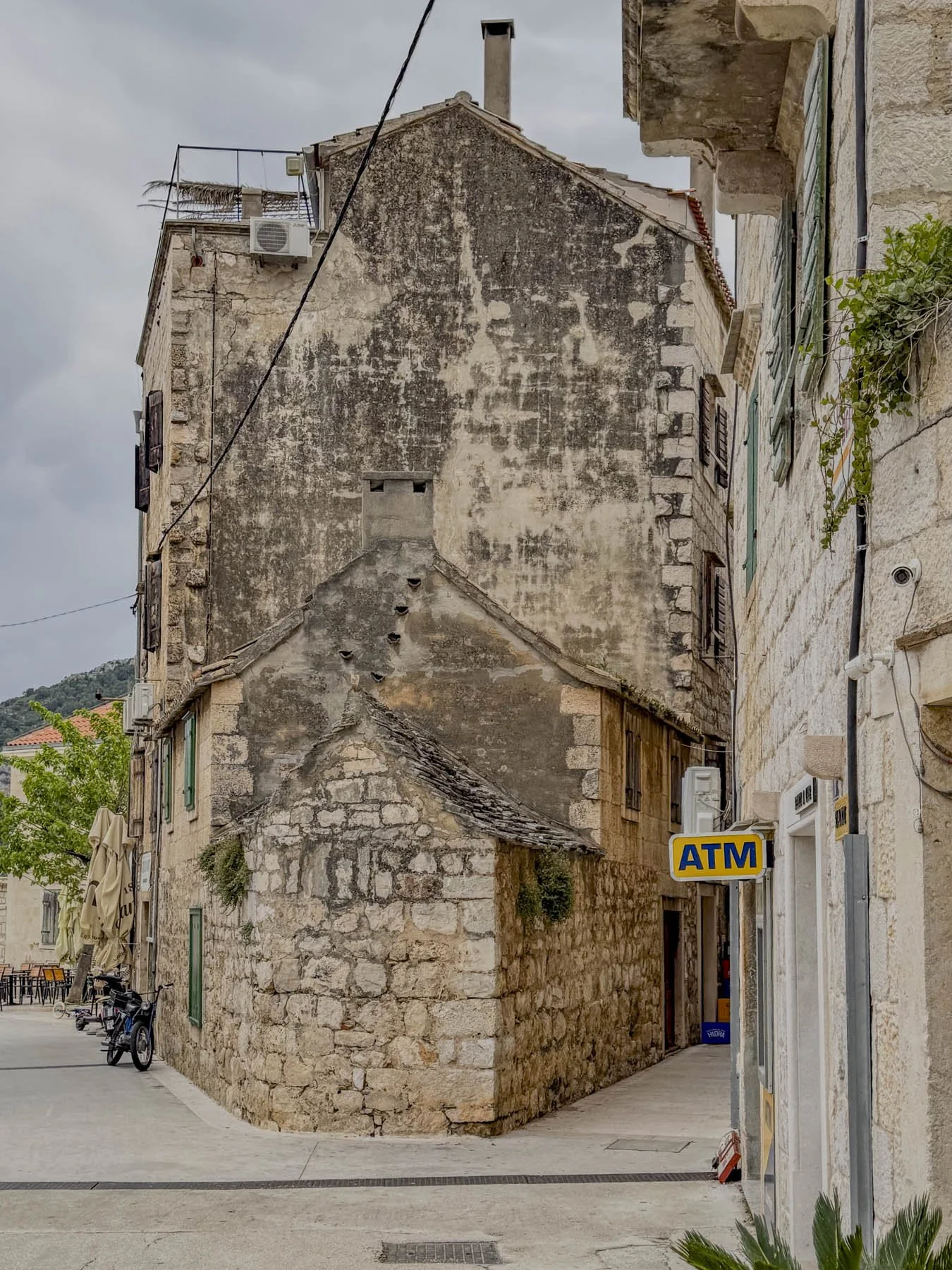
The ride took us across the island to Komiža Harbour, a beautiful fishing village tucked beneath steep hills. It was one of the prettier stops on the trip, but the return ride brought light rain and some narrow roads with sharp drop-offs, making for a more tense ride than I would have preferred. By then, “car back!” had become second nature.
That evening, we visited a local winery set inside an abandoned military tunnel — one of those travel experiences you couldn’t invent if you tried. The wines were excellent, and we bought a bottle of white to bring back to the boat and share.
Hvar: Beyond the Party Reputation
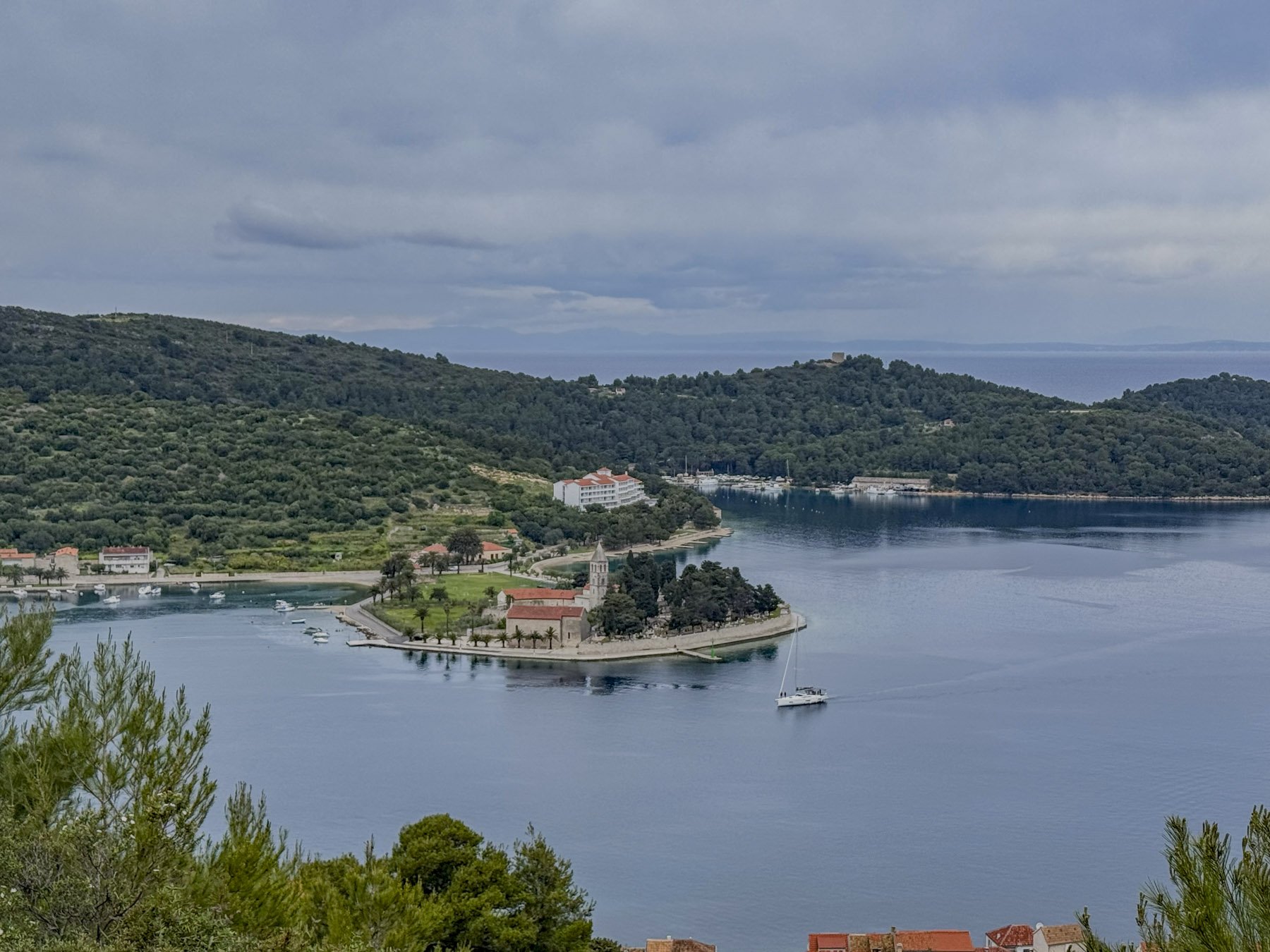
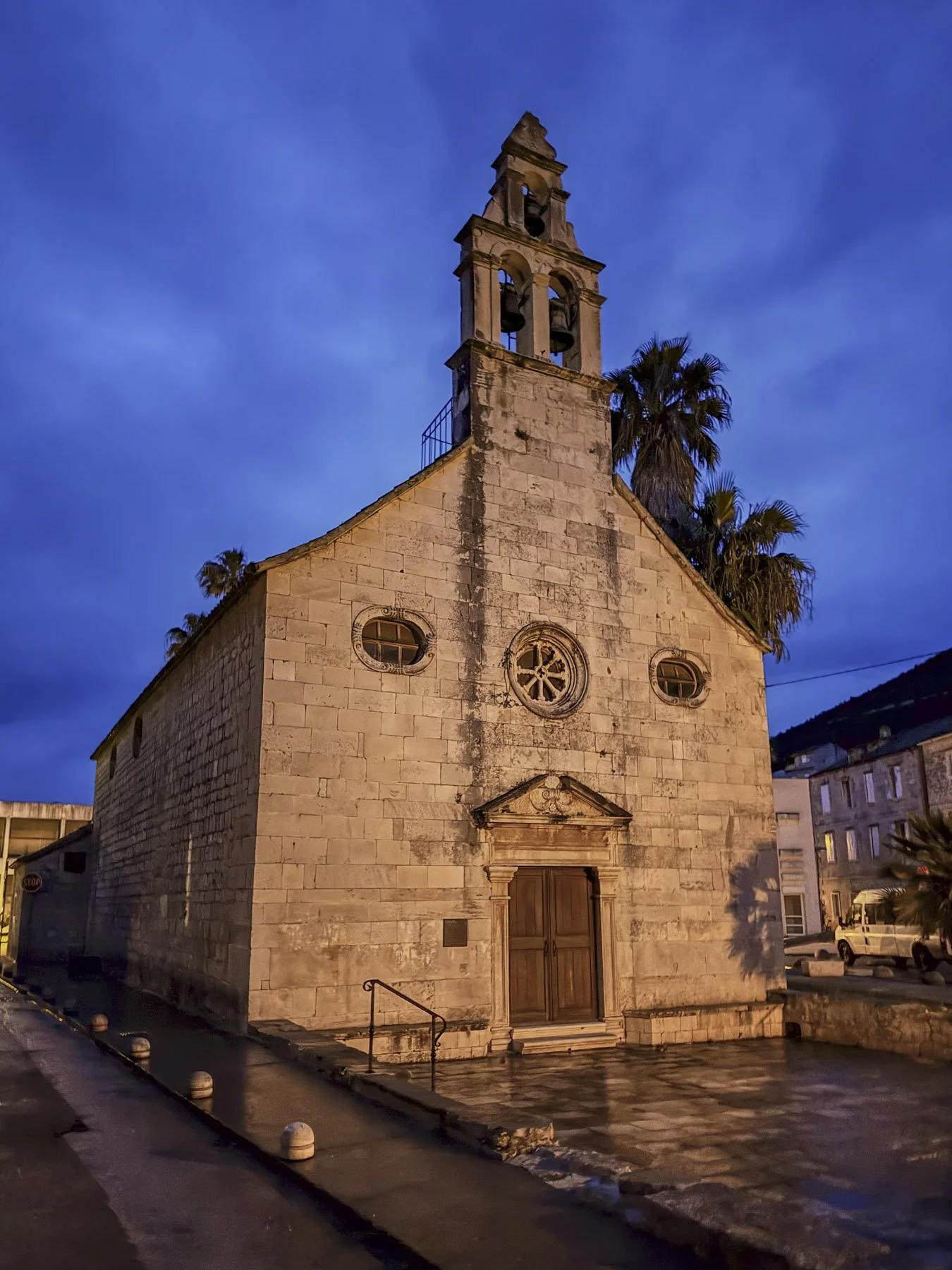
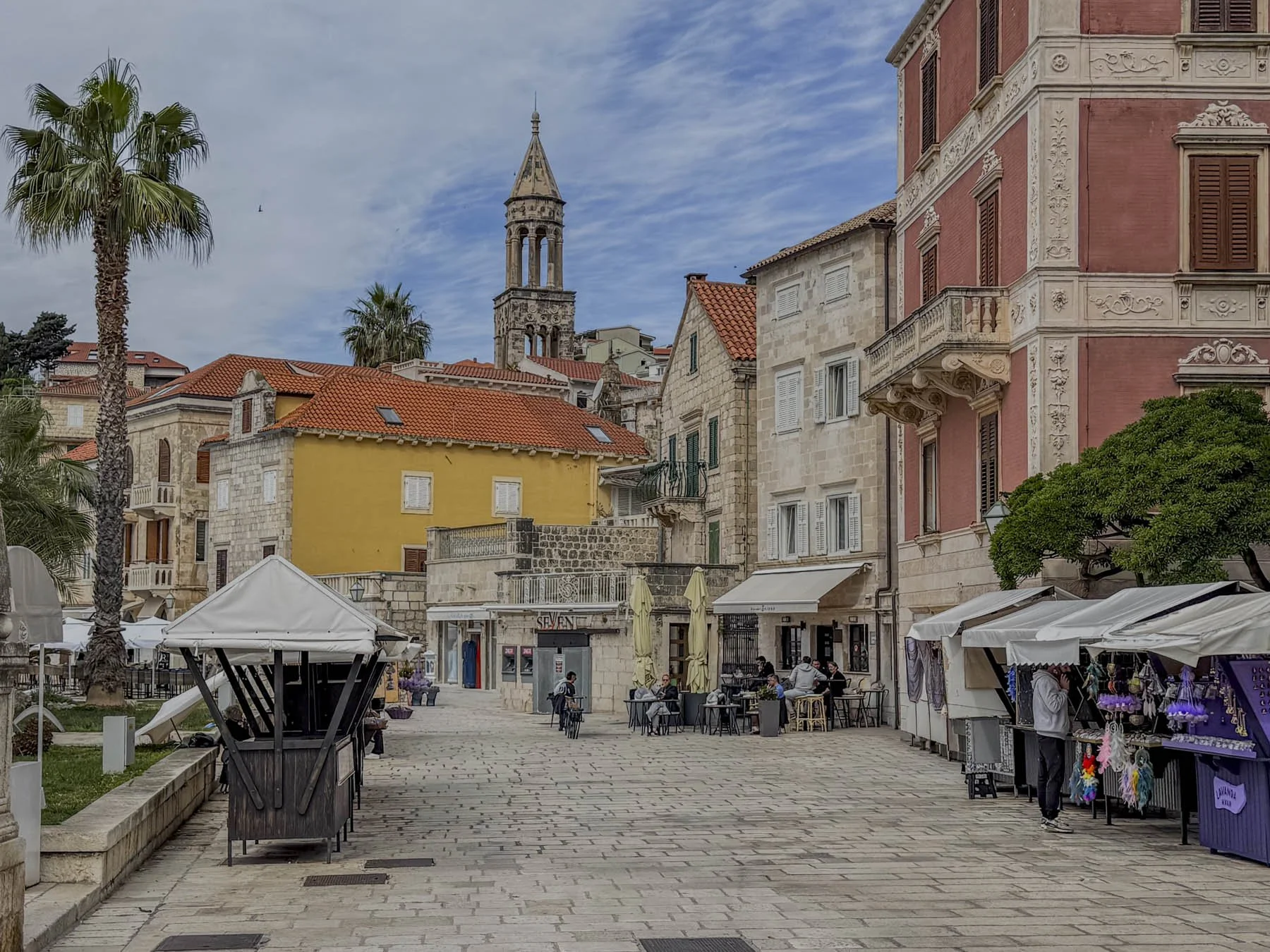
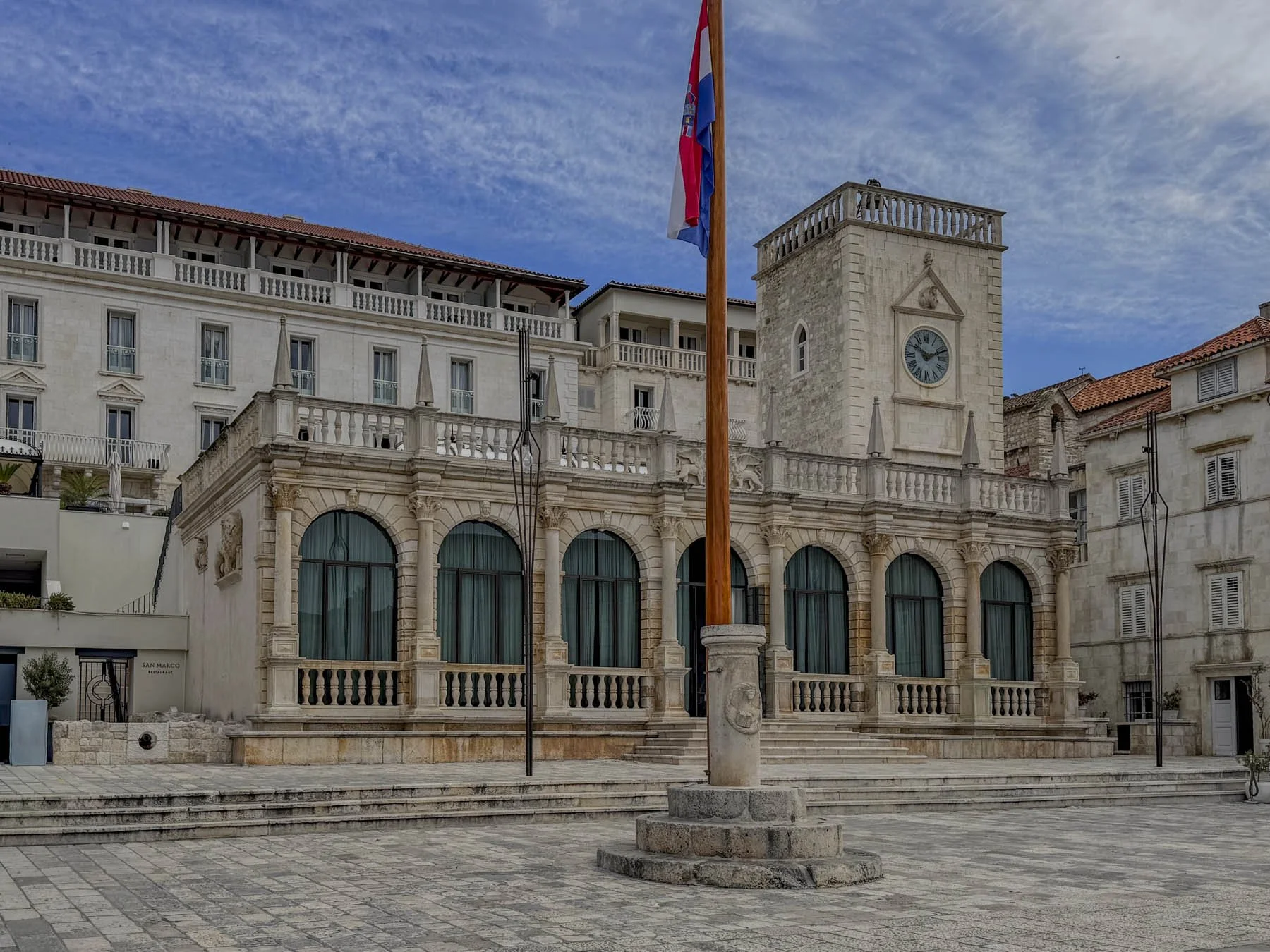
Next came Hvar, probably Croatia’s most famous island and, yes, widely known for its nightlife. But Hvar has far more depth than its party reputation suggests. It’s beautiful, historic, and layered with Venetian architecture, old fortresses, farmland, and lavender fields. We had a little time to wander Hvar Town before beginning our ride across the island toward Stari Grad.
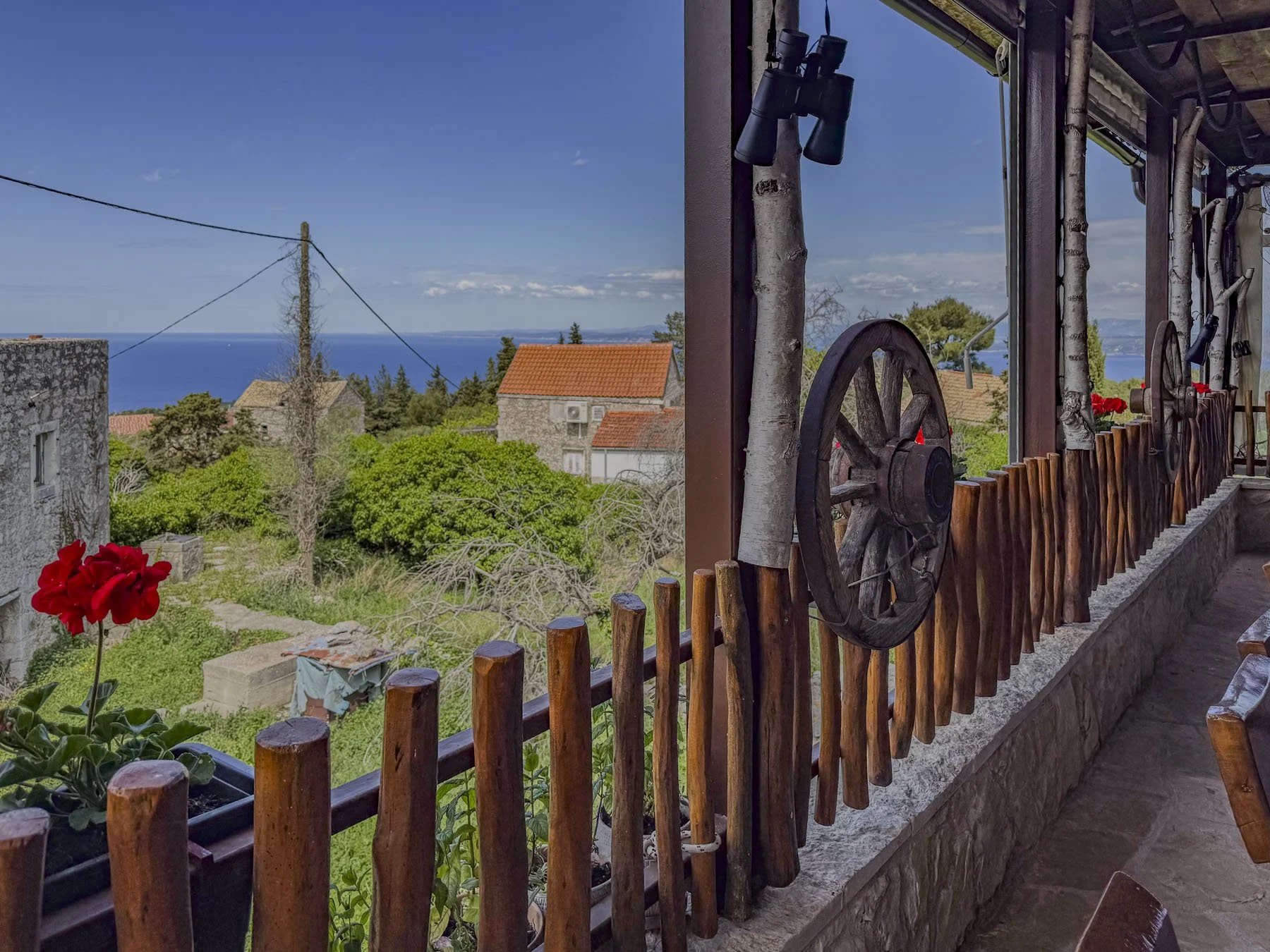
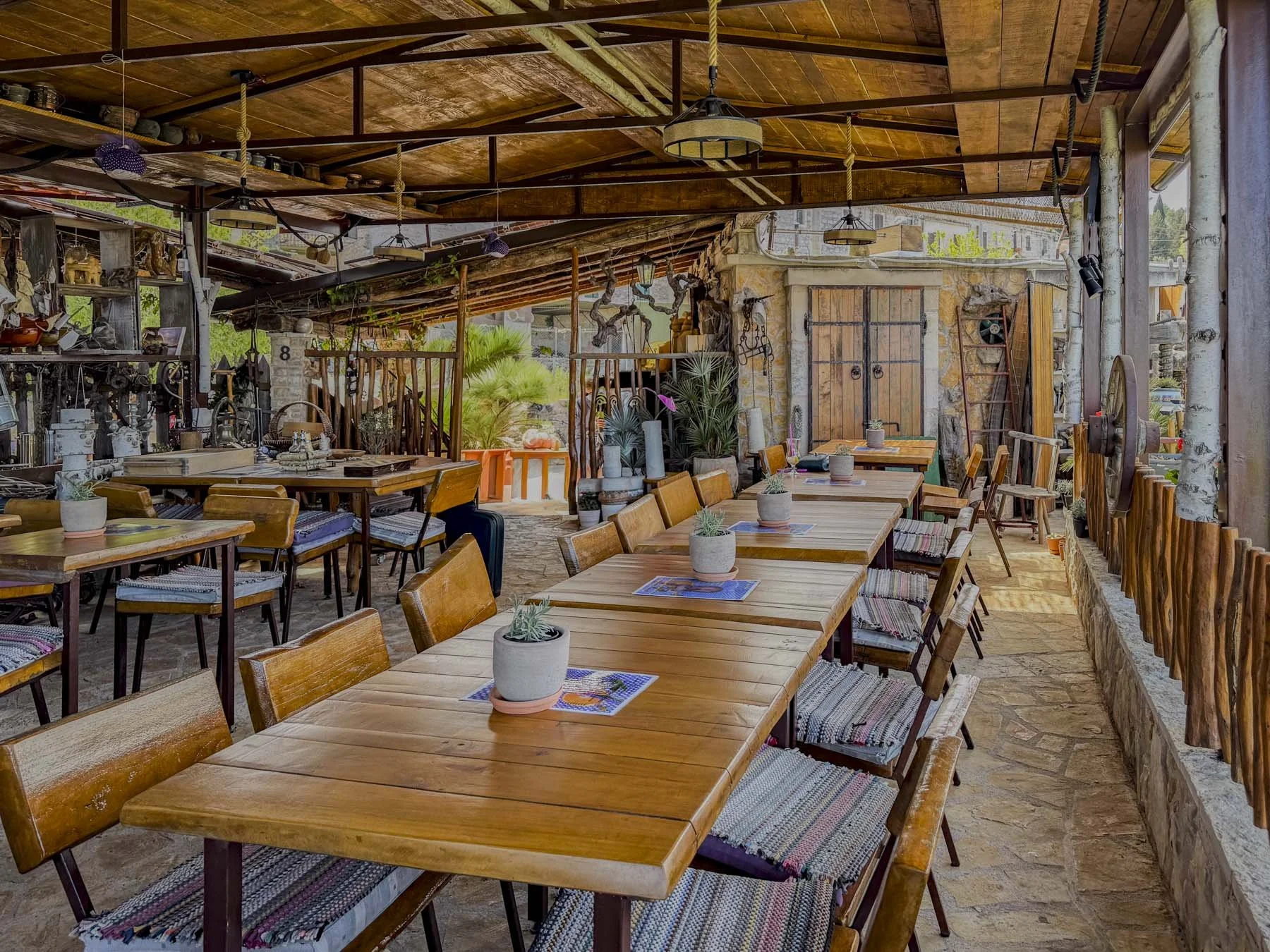
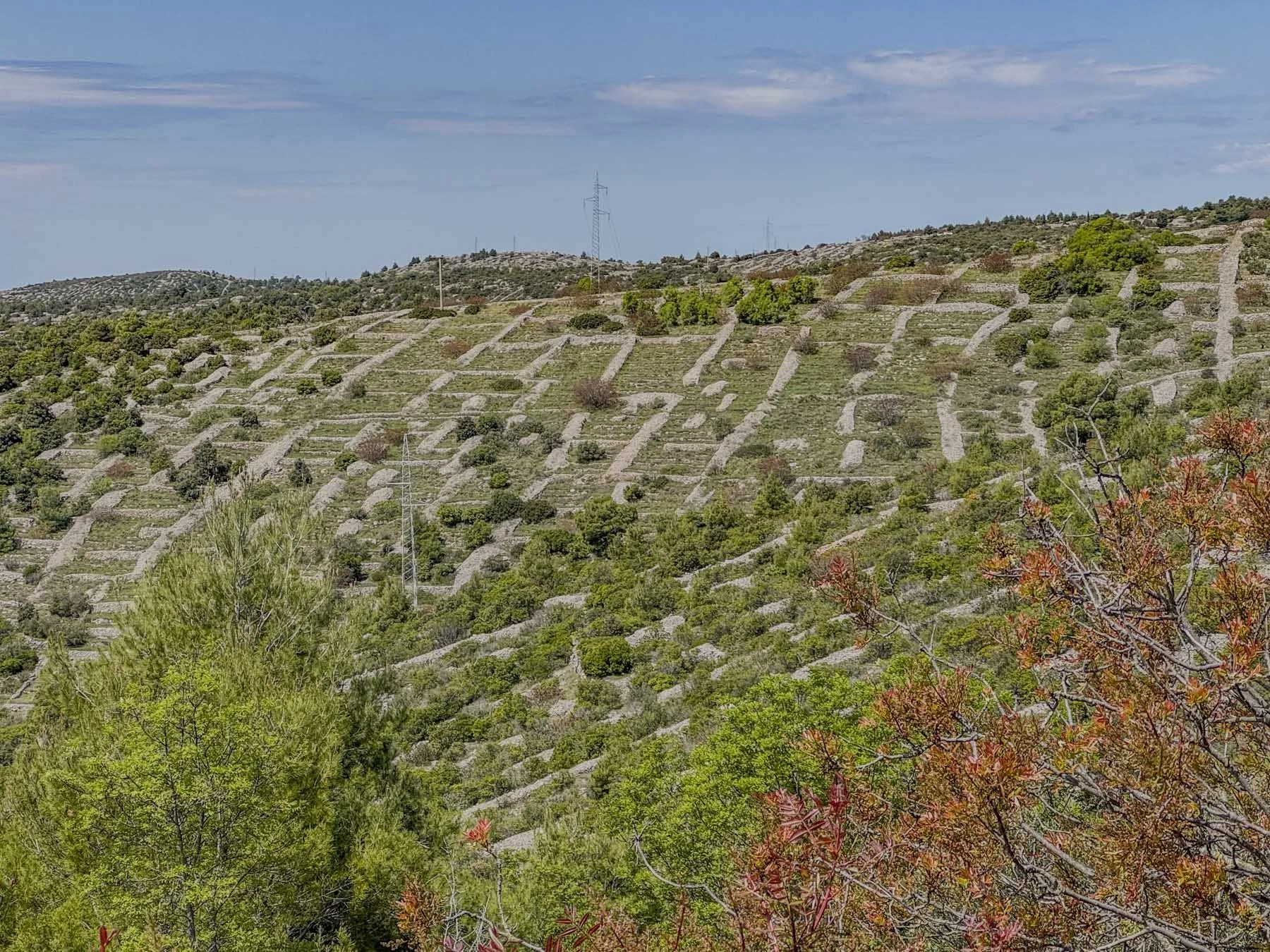
Along the way, we passed fields lined with long rows of stones — generations of farmers clearing rocky land by hand so they could create enough workable soil to grow crops. It was one of those simple landscape details that quietly tells the history of a place. We also stopped at a small family farm in Brusje for honey and smoothies, a lovely peaceful stop, though one cyclist had a less peaceful encounter with the pollen.
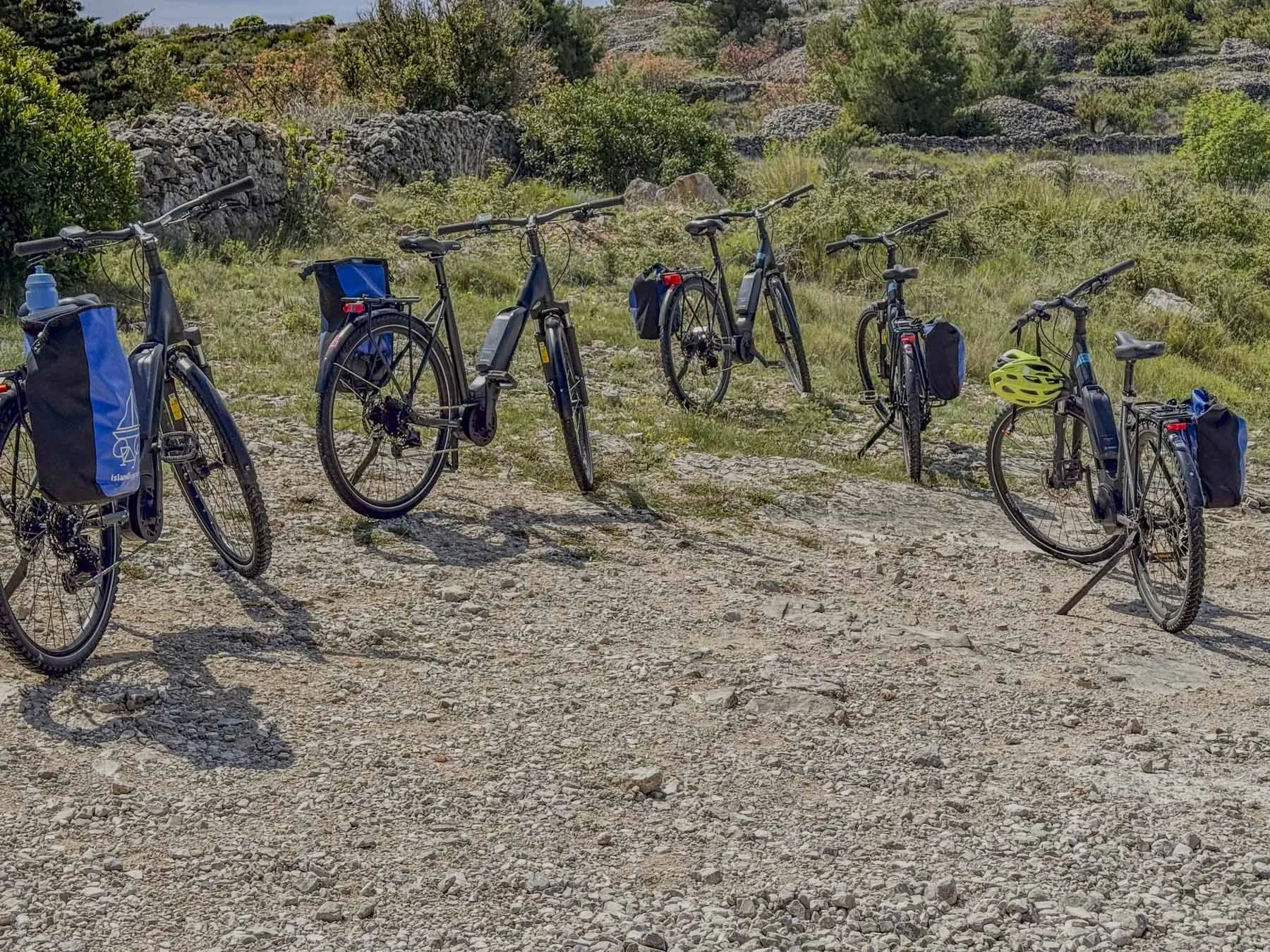
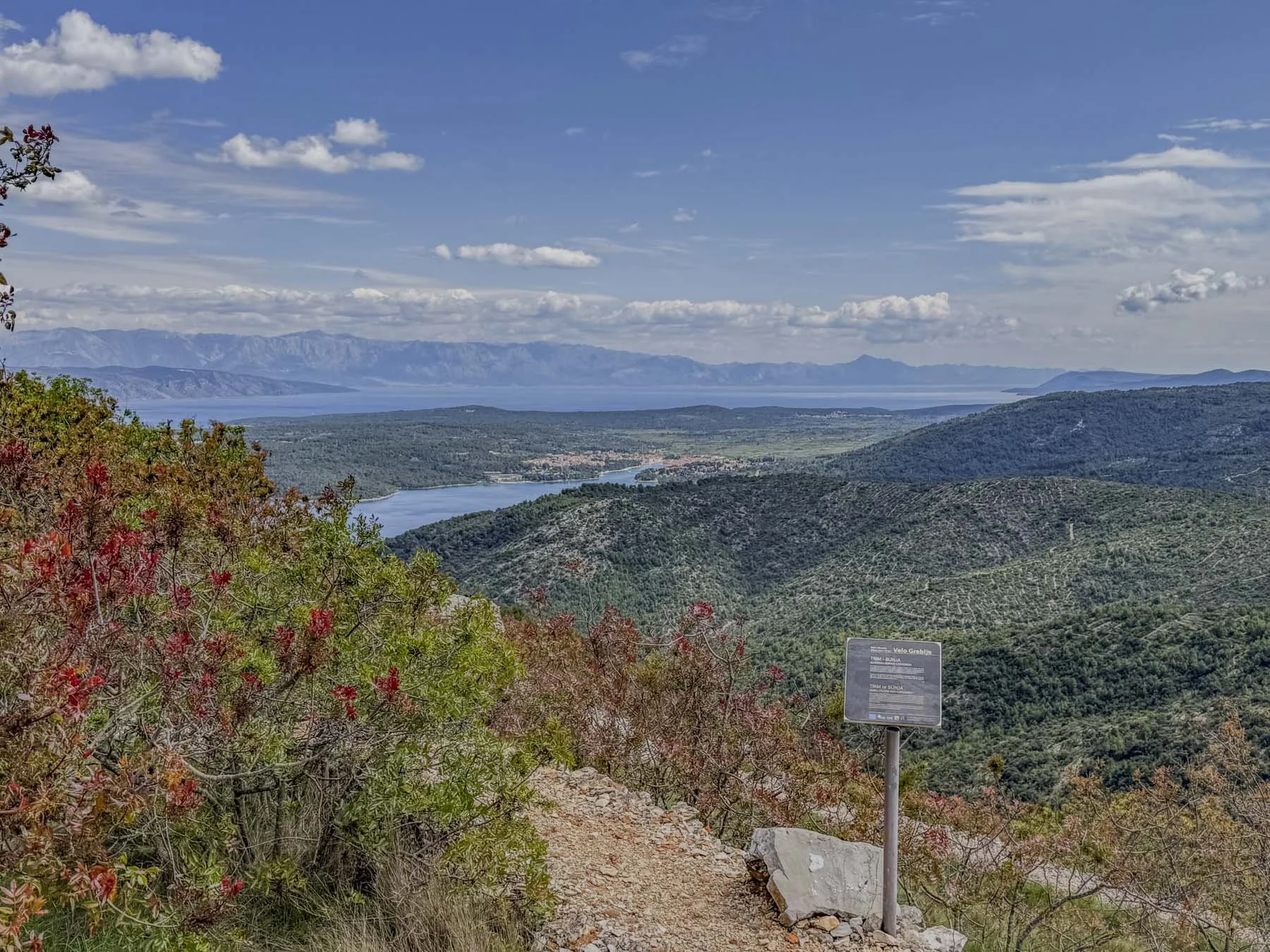
Brač: The Final Ride
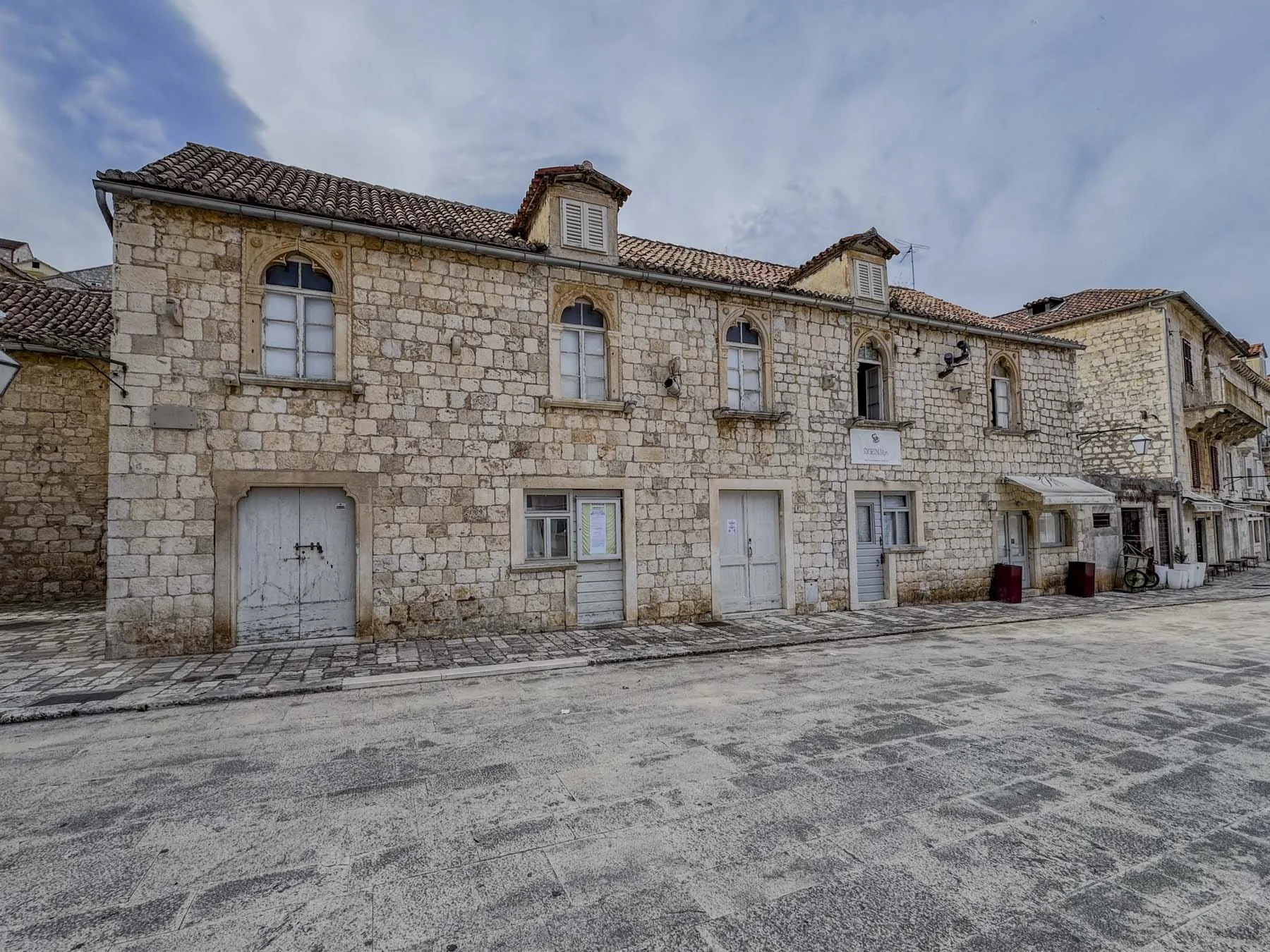
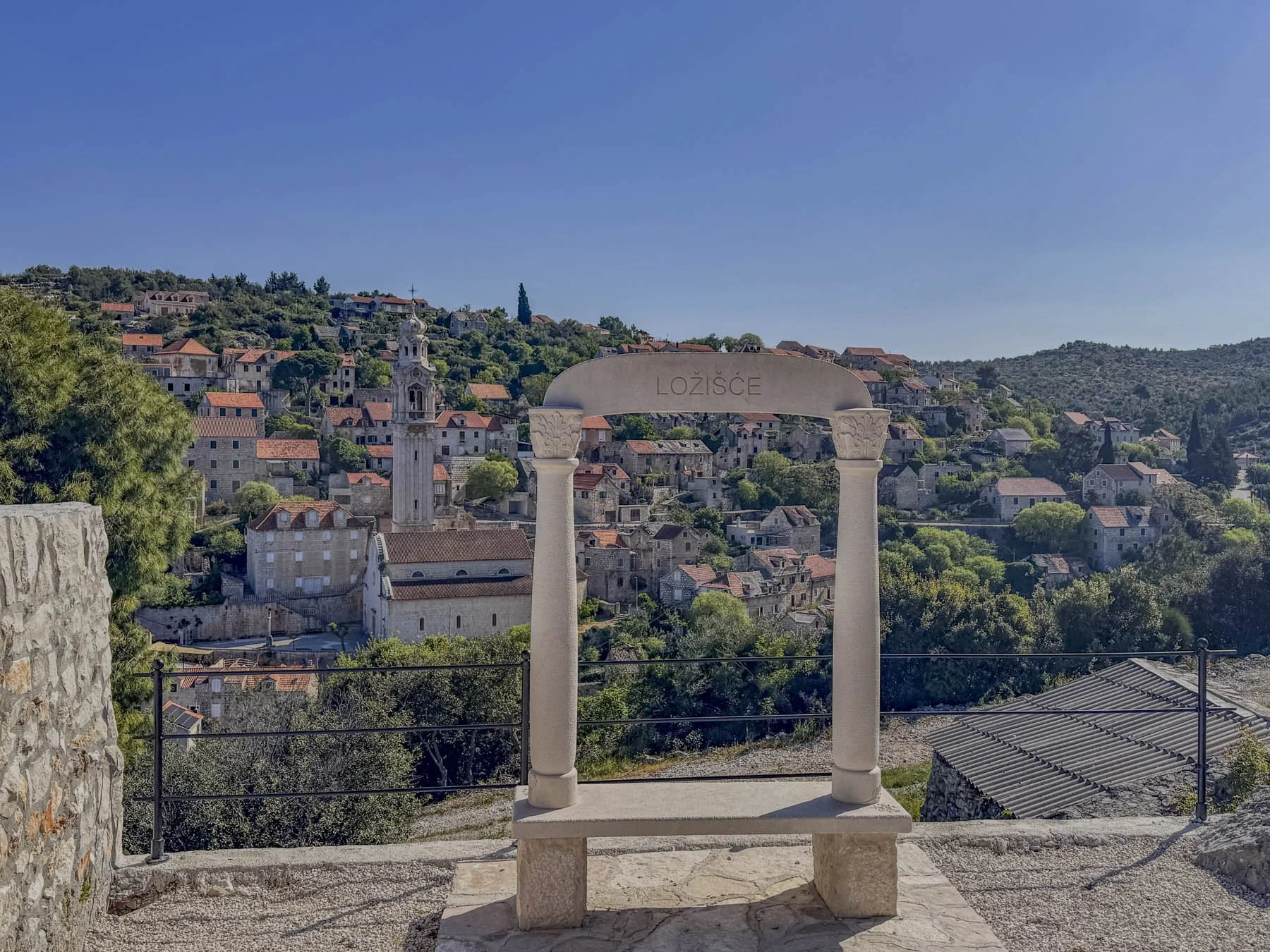
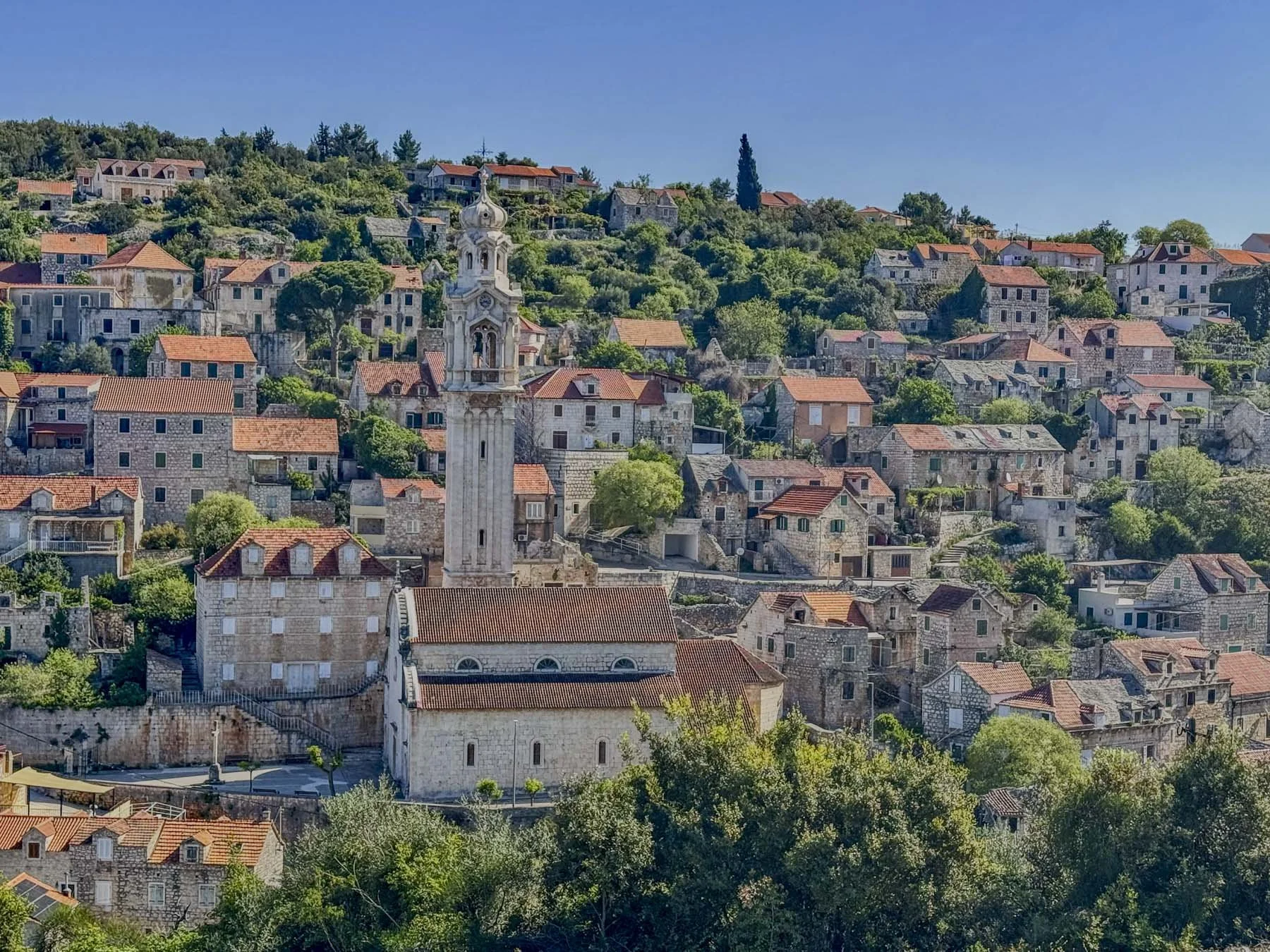
Our final island was Brač, famous for its brilliant white limestone, used in notable buildings around the world, including parts of the White House and the Reichstag Building. We cycled from Milna to Postira, stopping in Ložišća for sweeping views and a little local history, and later in Nerežišća for coffee and pastries. There was, apparently, a local specialty pastry that everyone seemed to know about. I learned about it just in time to discover it had sold out.
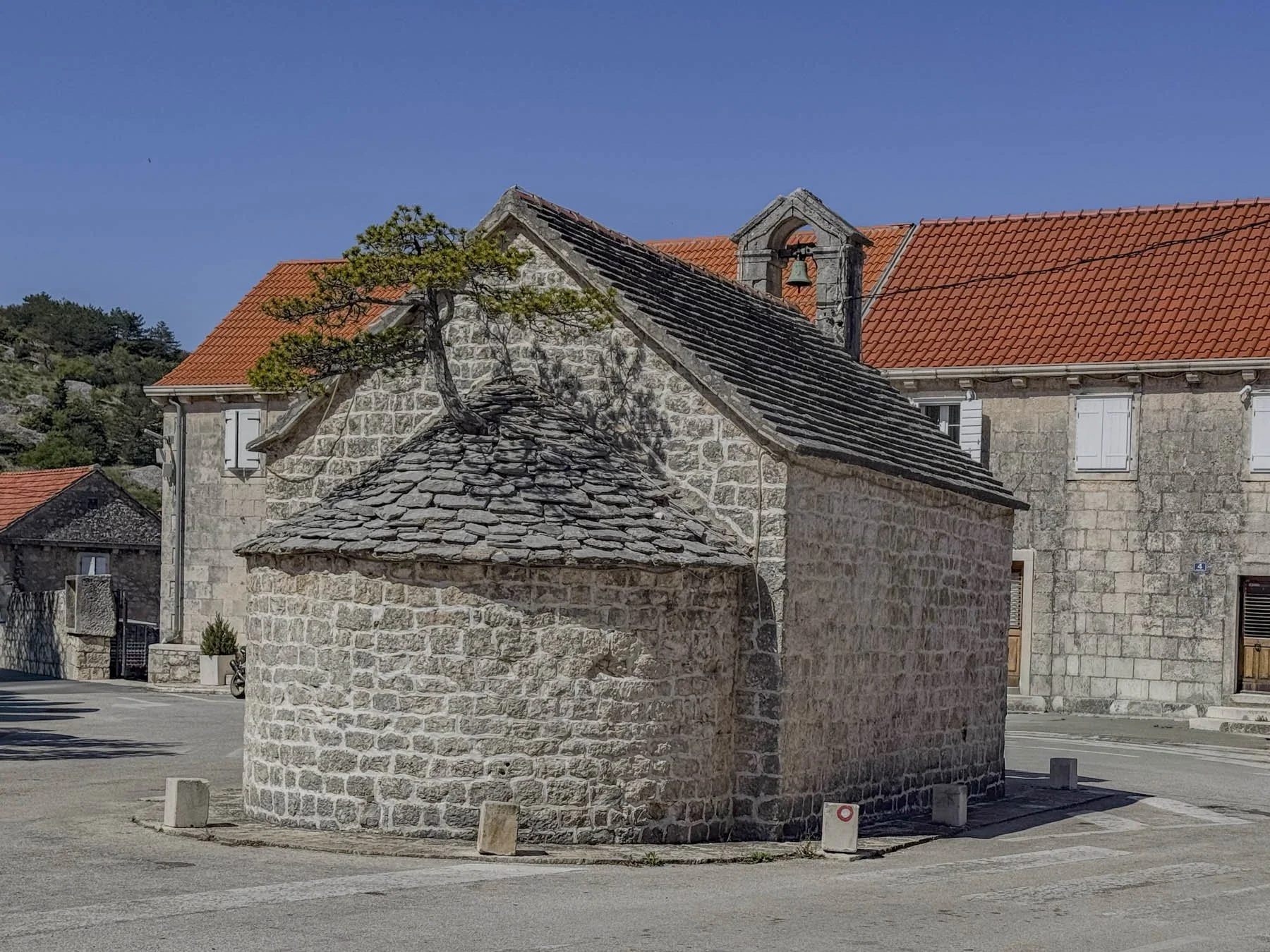
One of the more memorable stops was St. Peter’s Church, where a small tree grows improbably from the roof — one of those wonderfully strange details that makes travel memorable.
Split: One Last Walk Through History
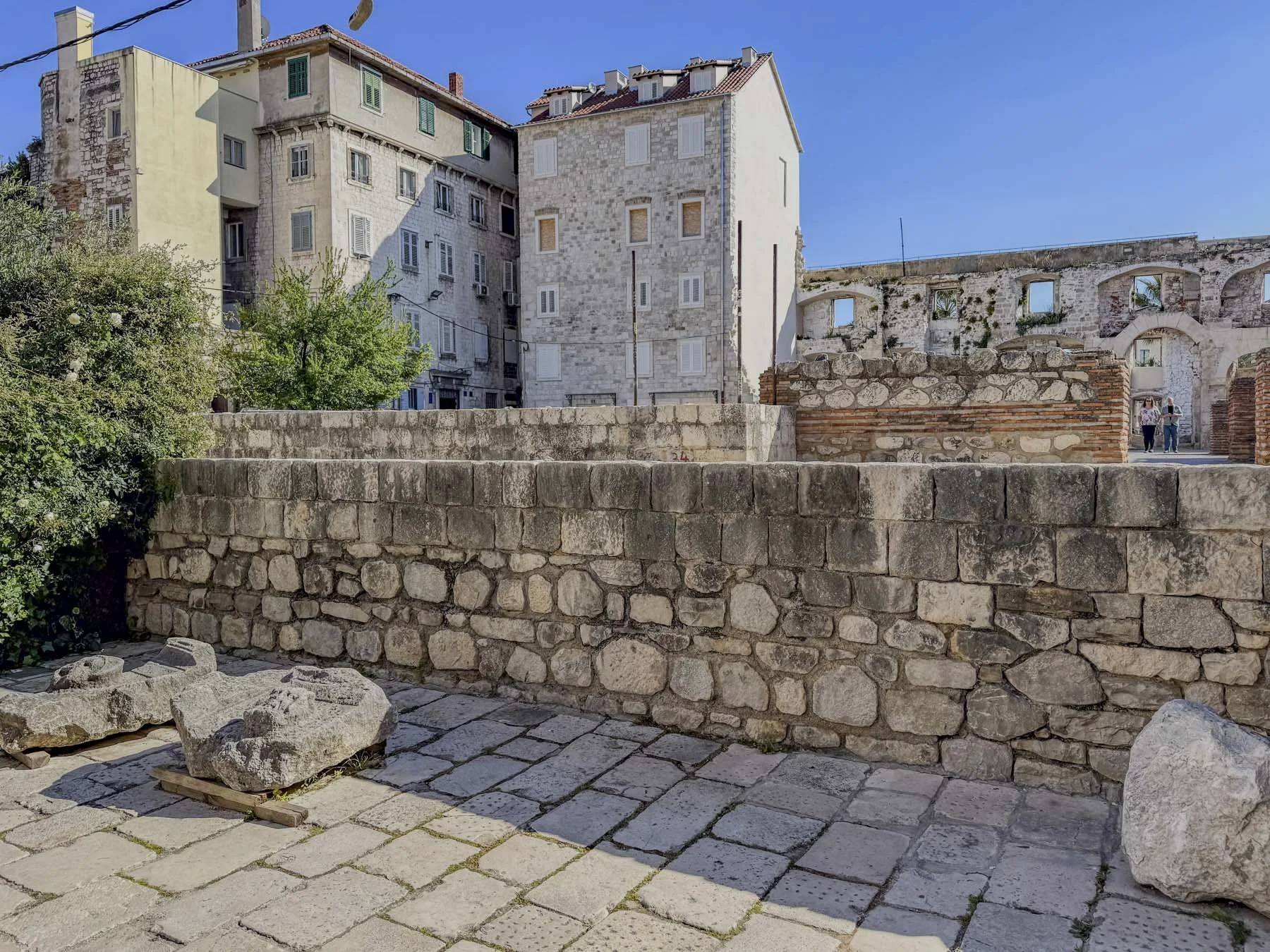
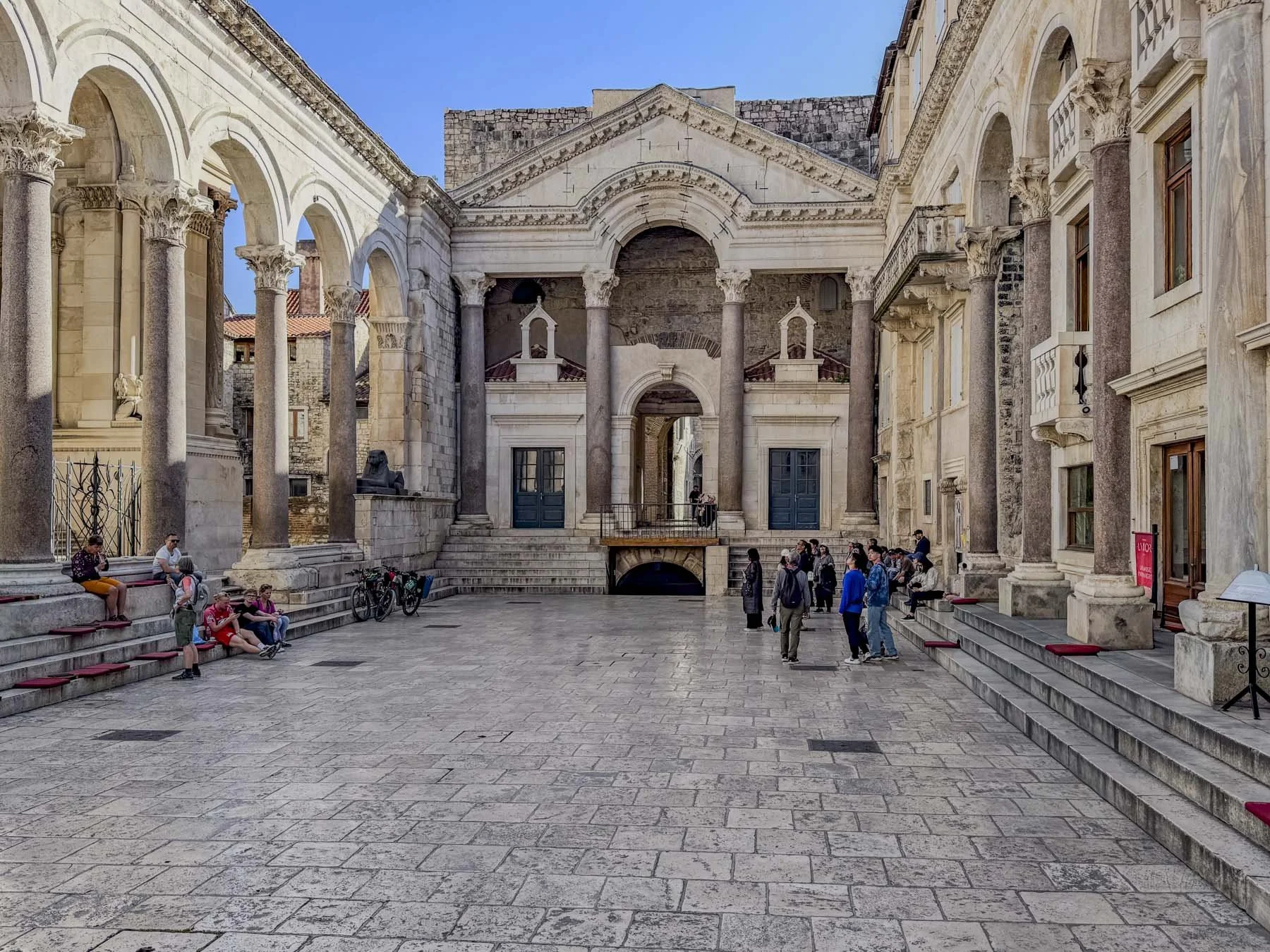
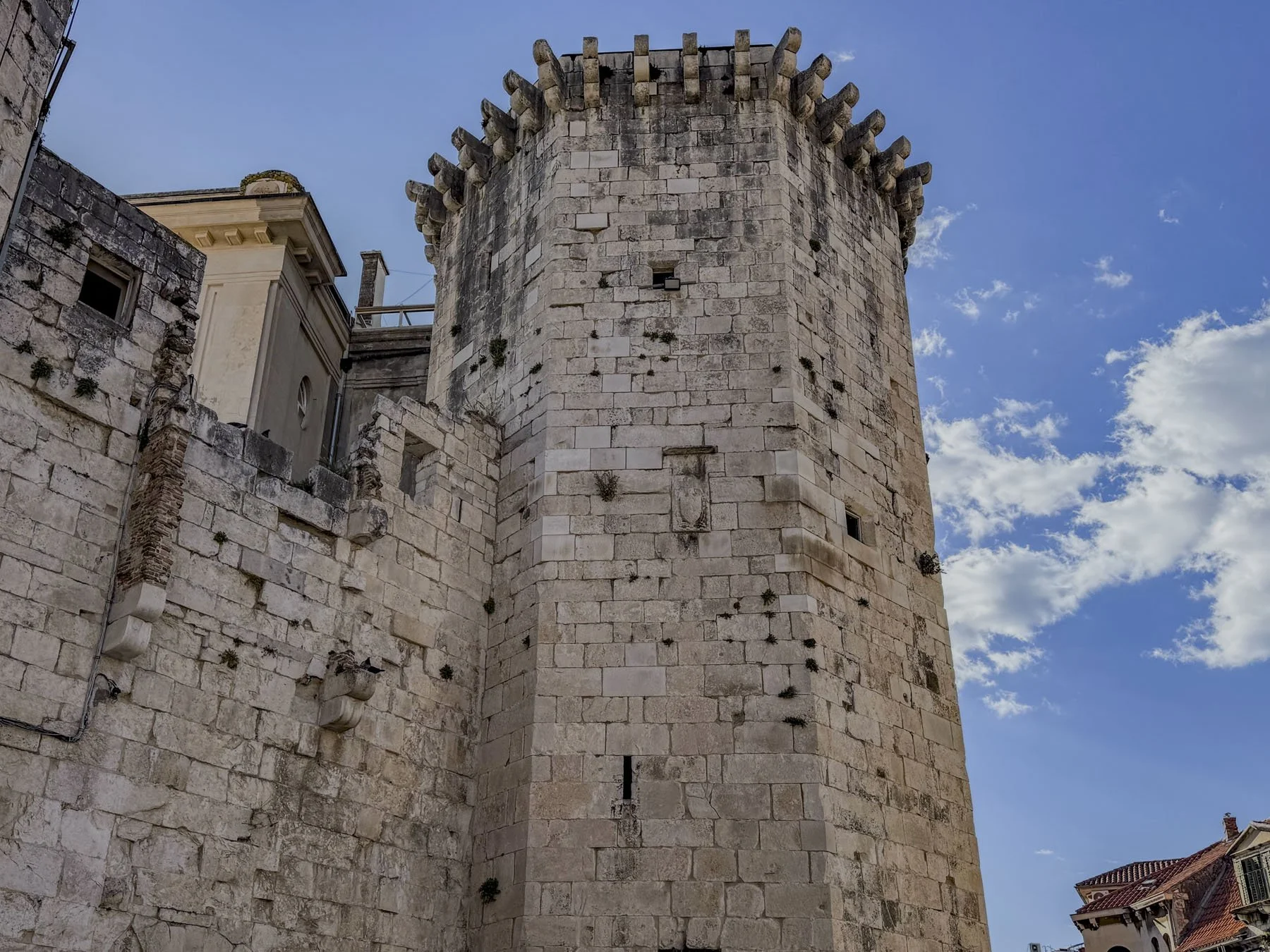
After returning to the boat, we cruised to Split, where we had one final guided tour through Diocletian's Palace, the Roman palace built as Emperor Diocletian’s retirement residence nearly seventeen centuries ago. What makes Split so fascinating is how seamlessly ancient history blends into modern life — homes, shops, restaurants, and alleyways still woven into the original palace walls.

Looking Back
After the tour, we found a lovely outdoor restaurant and settled in for one final evening together, enjoying the warm air, the food, and the chance to reflect on the week. By then, our floating little community had become familiar — friends old and new, shared meals, shared rides, shared stories.
And then, just like that, it was over. Some continued on through Europe. Some stayed in Split a little longer. Some headed home.
It was an incredible adventure — beautiful, memorable, and unlike any other trip I’ve done.
Would I do another boat-and-bike trip? Yes, definitely. I was out of my comfort zone and I’m so glad I did it.
Because sometimes the best trips aren’t the ones that perfectly match your travel style. They’re the ones that show you something new — about a place, about a way of travelling, and occasionally, about your personal downhill speed limit.
An Honest Croatia Bike and Boat Tour Review
If you are researching a Croatia bike and boat tour, you have likely noticed dozens of operators offering itineraries along the Dalmatian coast. Having experienced it firsthand, we wanted to share an honest look at how our journey flowed, the physical demands of the trails, and whether a boat-and-bike format is the right way to see the Adriatic islands.
The Ship and Life on Board the Bellezza
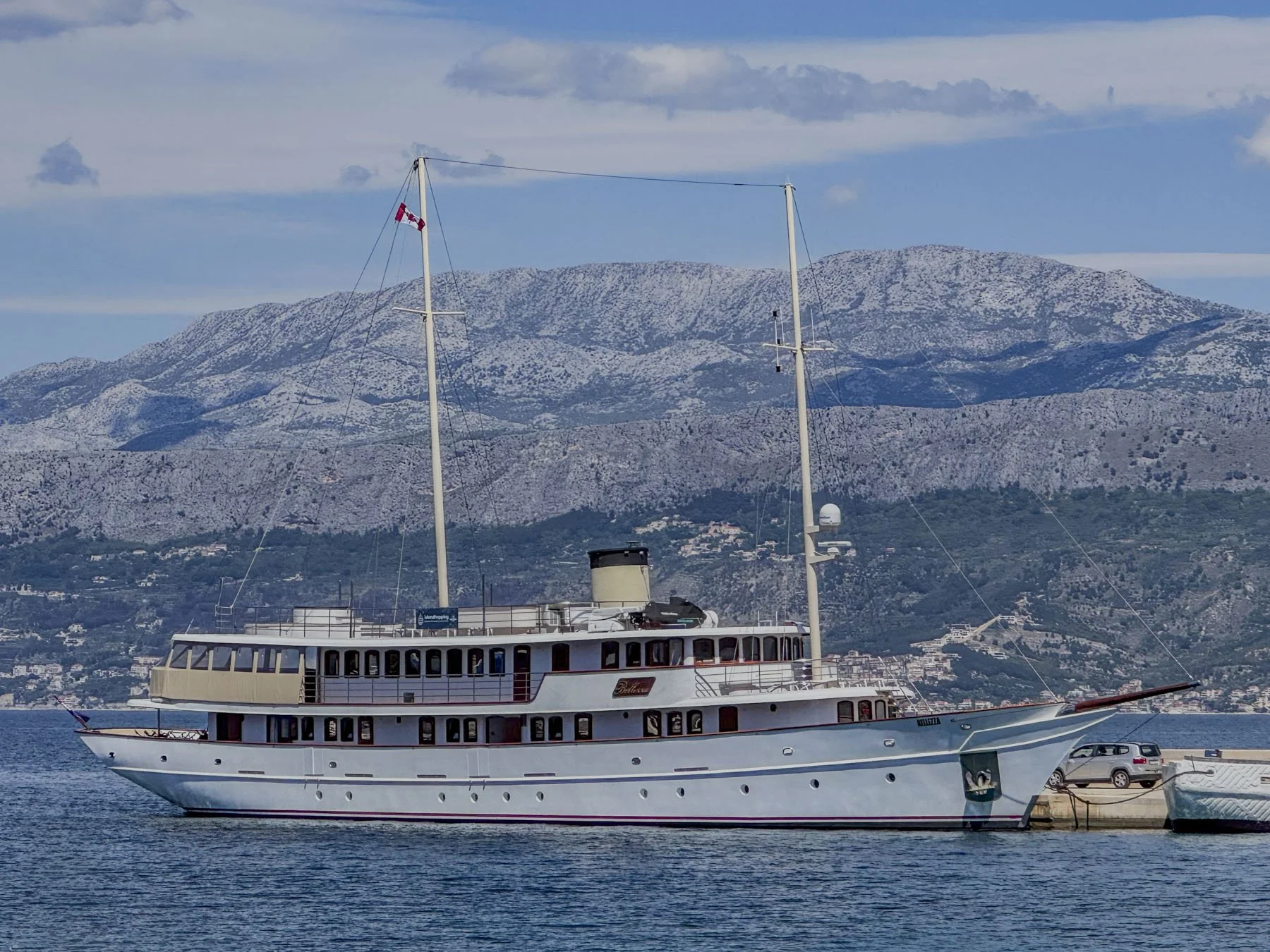
From the moment we stepped on board, it was clear that the Bellezza is a spectacular vessel. The ship is beautifully appointed with rich wood finishes and was kept sparkling clean throughout our entire week on the water. The captain was incredibly proud of his boat, and that meticulous care showed in every corner of the ship.
Dining on board was a definitive highlight. Each day featured a beautifully laid-out, three-course main meal focused on classic, traditional Croatian cuisine. We were treated to an array of fresh Adriatic seafood, delicious pastas, and lovely desserts. The tour was structured so elegantly that we never needed to worry about packing or carrying lunches. For standard cycling loops, the on-board meals perfectly bookended our days, while the occasional longer island ride included planned stops where we could pick up a small bite to eat along the way.
The Cycling Terrain: Why E-Bikes are an Absolute Must
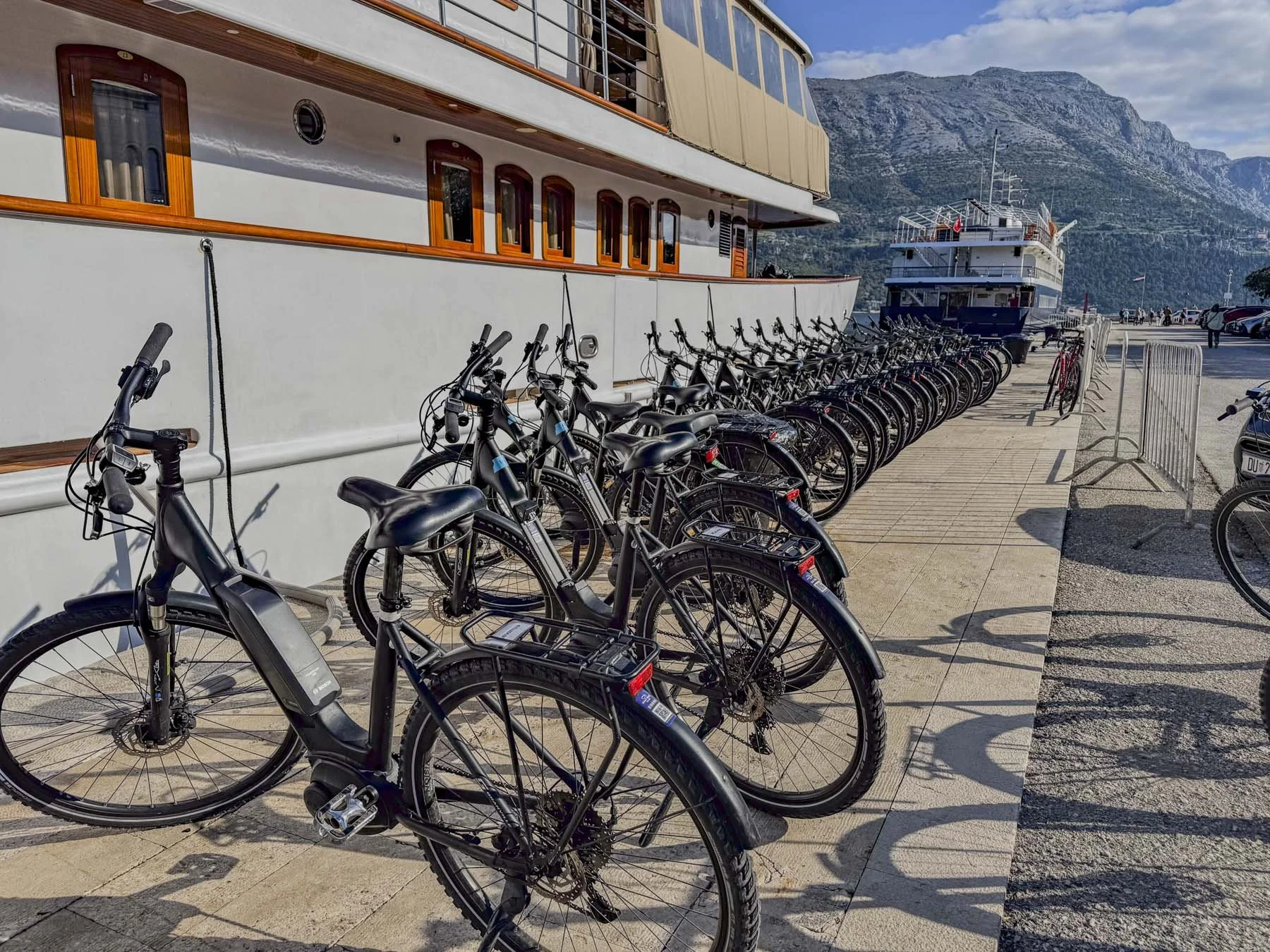
If you are debating whether to upgrade to an e-bike for a Croatia tour, our strongest advice is to absolutely do it. The Adriatic islands—including beautiful stops like Hvar and Brač—are incredibly hilly. The terrain features sustained, steep climbs that offer breathtaking panoramic vistas but require serious physical effort. A few travelers on our tour opted for standard road bikes, and they found the daily elevation changes deeply challenging. Having that extra e-bike power transformed what could have been an exhausting grind into a thoroughly enjoyable, scenic ride.
The Flow and Scheduling: What to Expect
Because a tour like this packs an immense amount of travel into just one week, the itinerary is very well-structured but operates on a strict schedule. Harbor ports have rigid, time-sensitive docking windows, meaning the group must drop anchors, disembark, and re-board very promptly.
The ship is constantly moving to catch the next window, so the main trade-off of a boat-and-bike format is time on the ground. We would have absolutely loved more time to slowly explore the historic stone villages and hidden coves of the islands independently, but that simply isn't how these specific tours are organized. It is an efficient, fast-paced sampler of the region—and as a week-long introduction to the magic of the Adriatic, it was nothing short of spectacular.
From island roads to quiet harbours and endless Adriatic views, Croatia offered no shortage of moments worth capturing. Explore more images from this journey in our Europe gallery.
For more on the bike and boat tour route, visit Boat Bike Tours — Dubrovnik to Split.