
After five days of wind and rain, the forecast finally suggested we might see some sun. We set the alarm for 5:00 a.m. and, as often happens when we know we have to get up early, neither of us slept particularly well. When morning arrived, the sky was still grey and overcast. For a moment we wondered whether it was worth going.
We went anyway.
The drive toward Jökulsárlón alternated between heavy fog and unexpectedly clear stretches, so we had no idea what conditions would be waiting for us when we arrived. That uncertainty was becoming a familiar part of travelling in Iceland. You could leave under one sky and find something completely different twenty minutes later.
This time, the decision to go paid off.
Glacier Ice on Black Sand
We started at Diamond Beach, where pieces of glacier ice that have drifted out of Jökulsárlón wash back onto the black volcanic sand.
Walking over the dunes and seeing those pieces of ice scattered across the beach for the first time was remarkable. Against the dark sand, some seemed almost to glow.
The tide was retreating, which meant we weren't getting the classic long-exposure photographs of water swirling around the ice, but there were still plenty of interesting shapes and textures to work with.
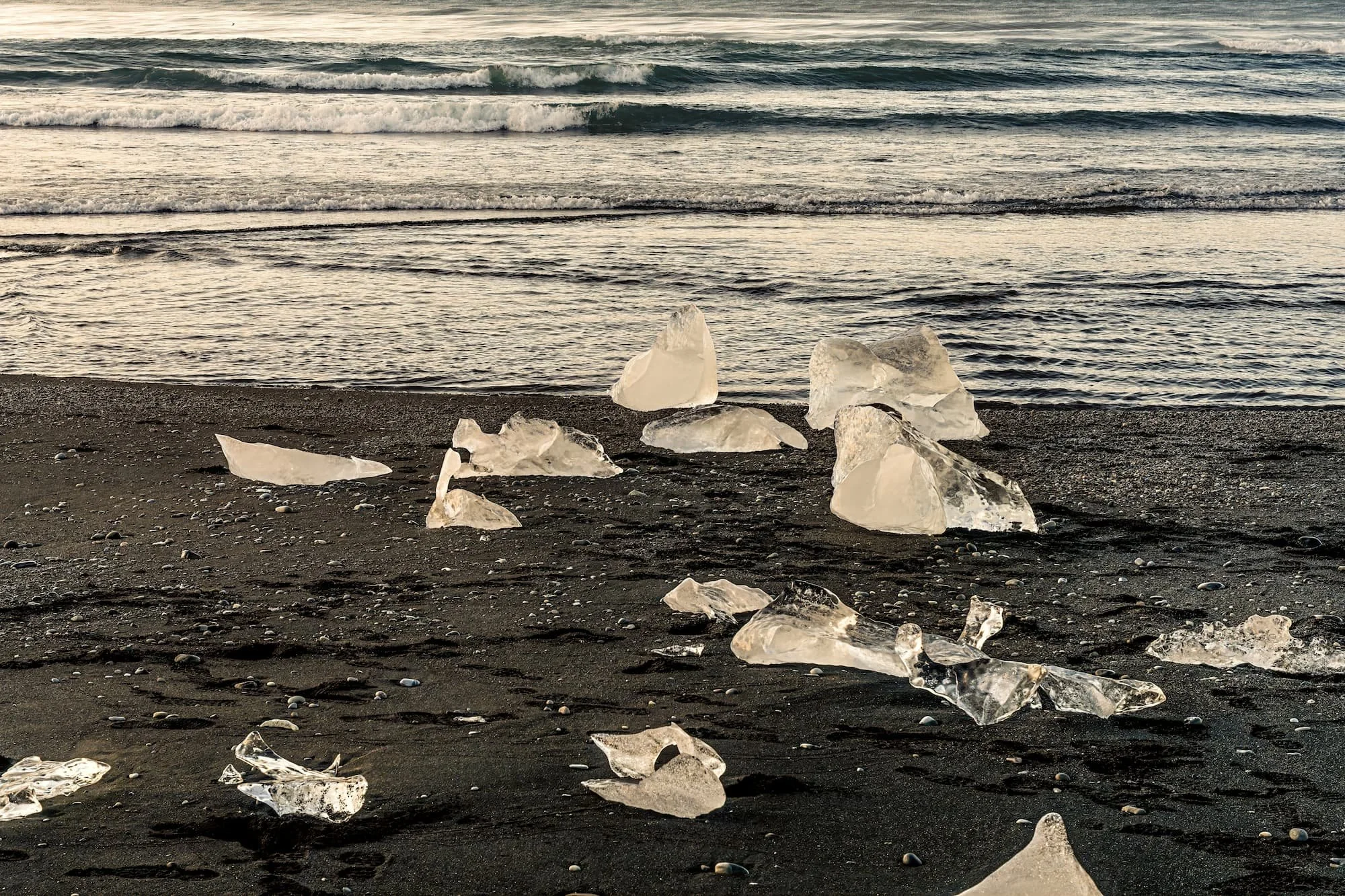
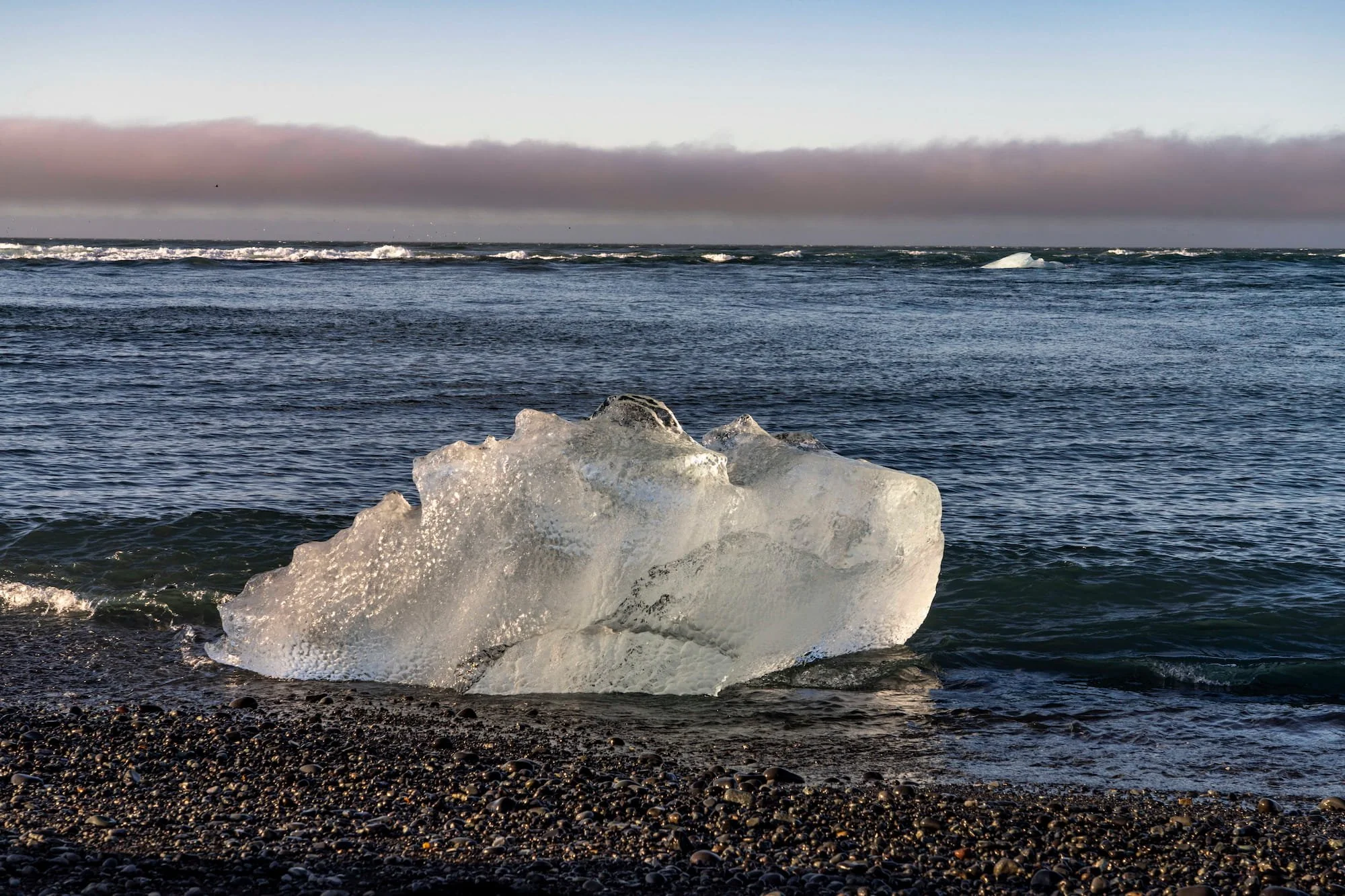
It was also one of those useful reminders that not every photography stop has to unfold exactly as planned. Sometimes you simply photograph the conditions you have.
From Diamond Beach, we crossed back toward the lagoon.
A Glassy Morning at Jökulsárlón
Our first proper morning at Jökulsárlón Glacier Lagoon could hardly have been more different from the brief stop we'd made on our arrival the previous afternoon.
The water was almost completely calm.
Icebergs floated across a surface that looked more like glass, reflecting the surrounding mountains and glacier. After days of rain, wind and cold, the stillness felt extraordinary.
There were also very few people around.
That may have been one of our favourite things about being there early. Jökulsárlón is one of Iceland's best-known destinations and can become extremely busy later in the day, but that morning it felt peaceful.
I stayed along the lagoon with the camera while Randy flew the drone from the western side, where flying was permitted during certain hours. Seeing the lagoon from above gave him a completely different view of the ice and the channels of water weaving between it.
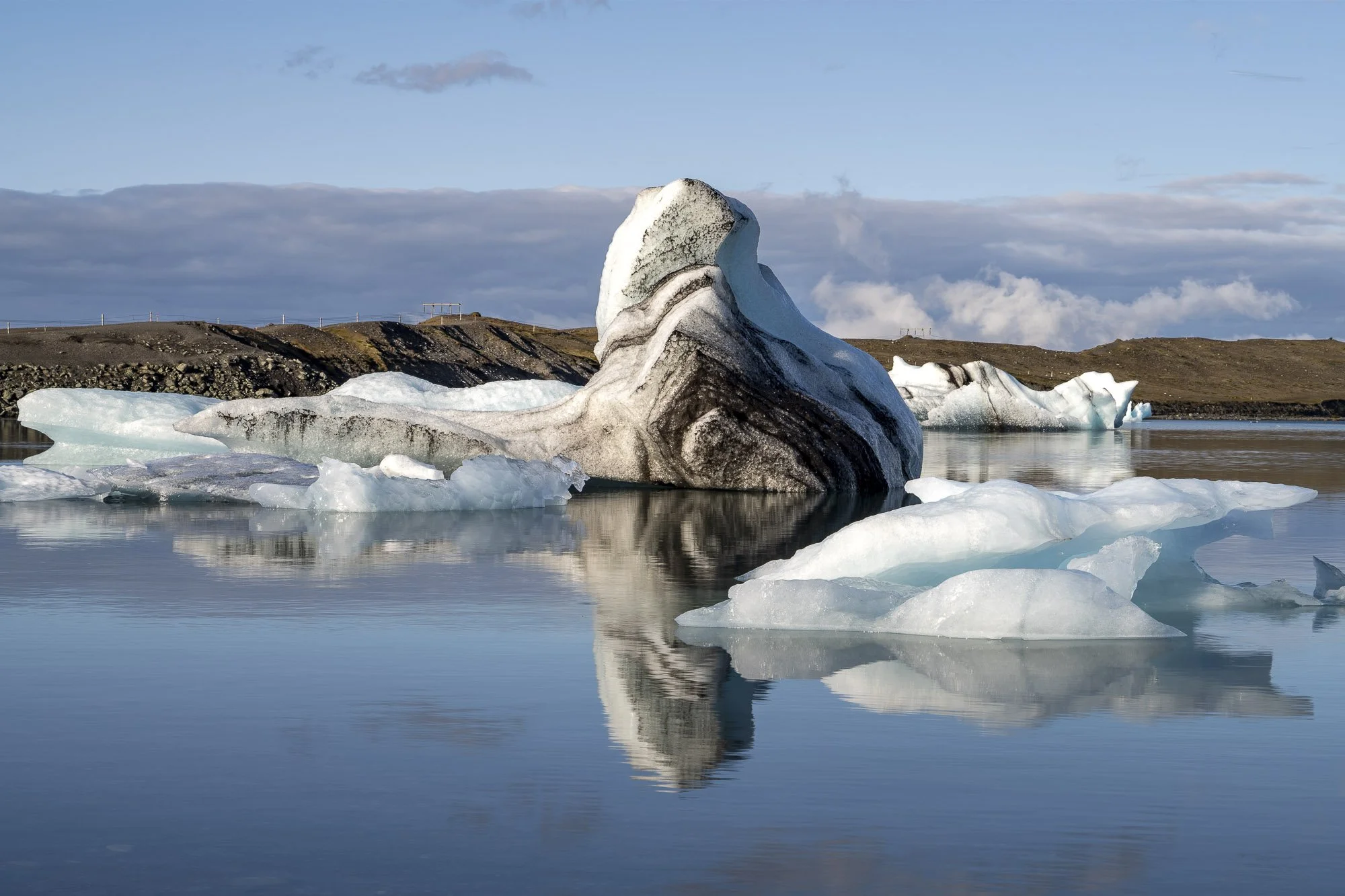
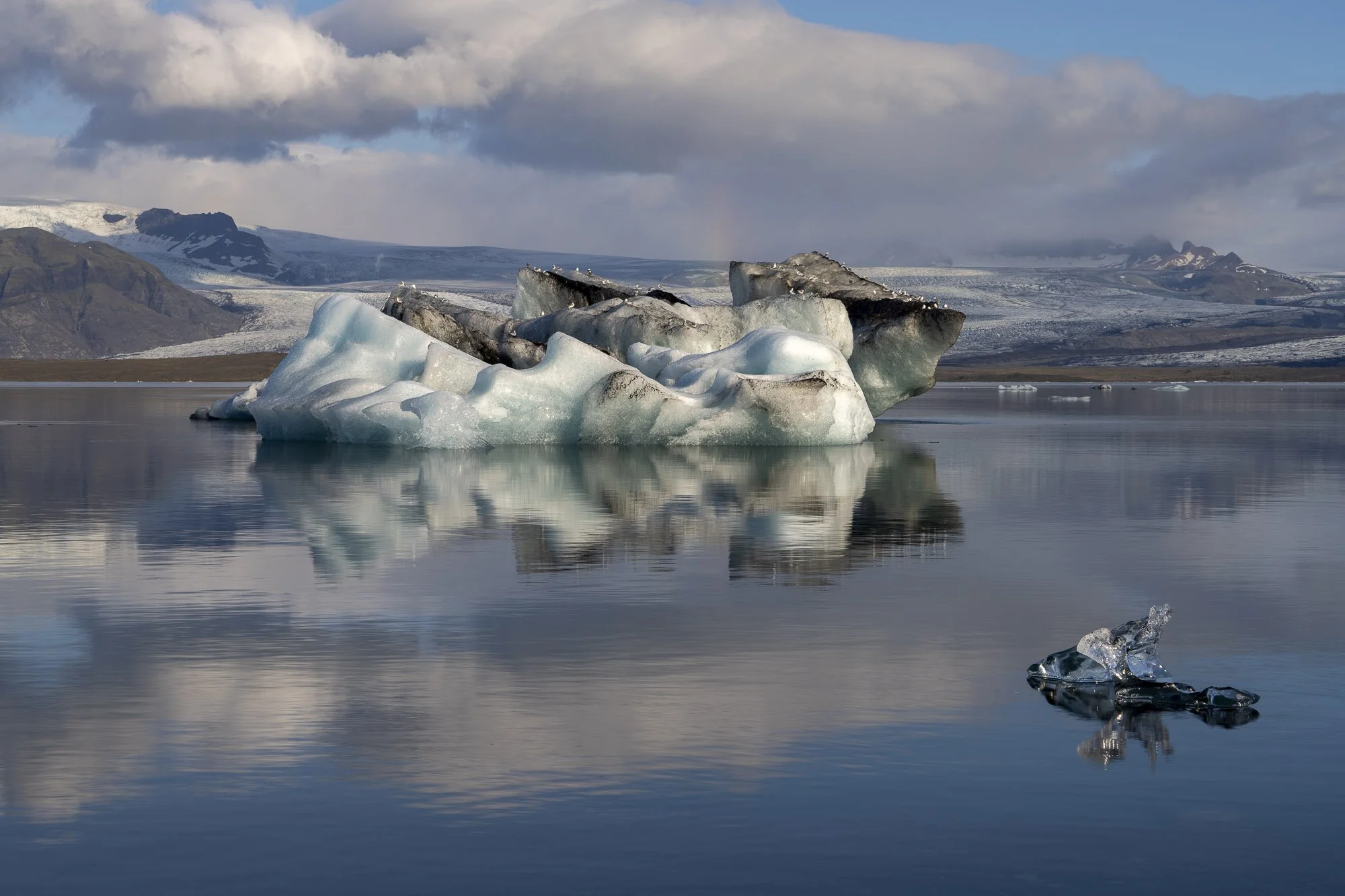
We stayed for quite a while, taking advantage of the calm conditions before eventually deciding that breakfast had become a priority. On the drive back we found a hotel serving breakfast and stopped in.
It was expensive. It was also completely worth it.
Afterward we returned to our accommodation, downloaded photographs, relaxed and caught up on some much-needed sleep.
When Iceland Starts Blowing Away
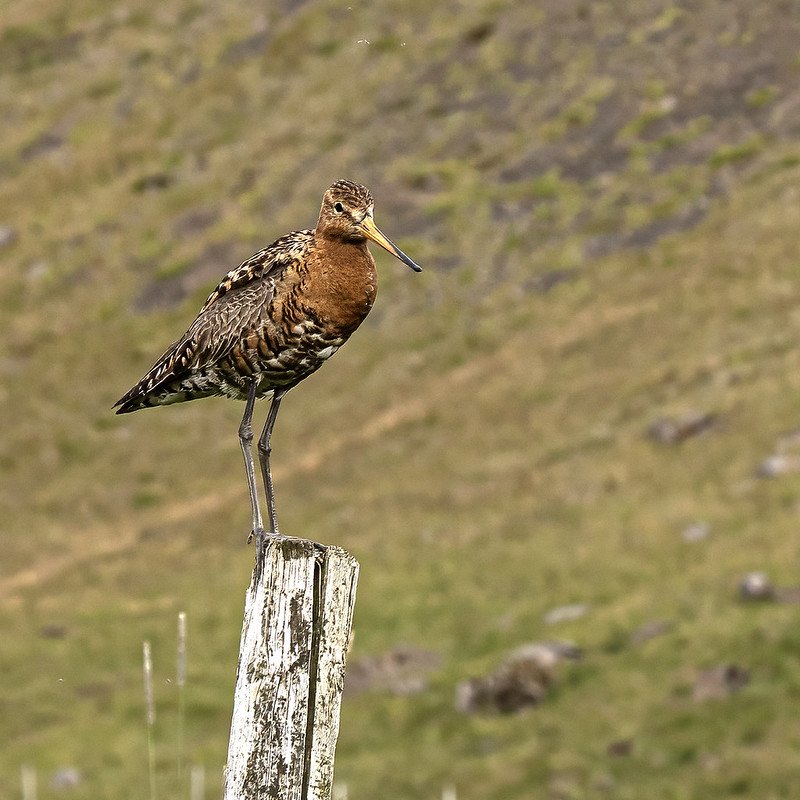
Later that day we went to Höfn for fuel and a few groceries. Along the way we stopped briefly to photograph a few abandoned buildings and a black-tailed godwit near our Airbnb before continuing through Höfn for coffee and something to eat.
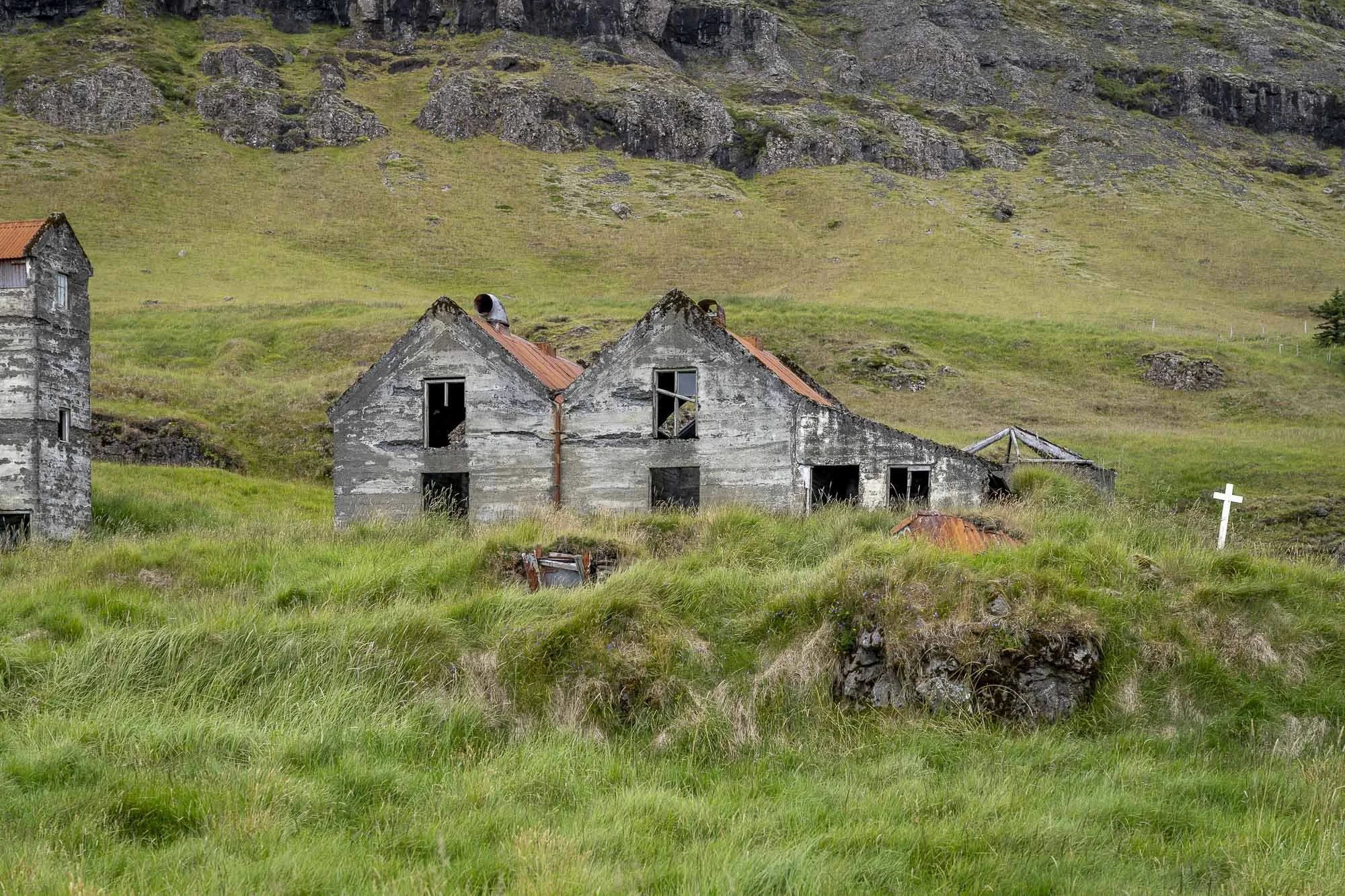
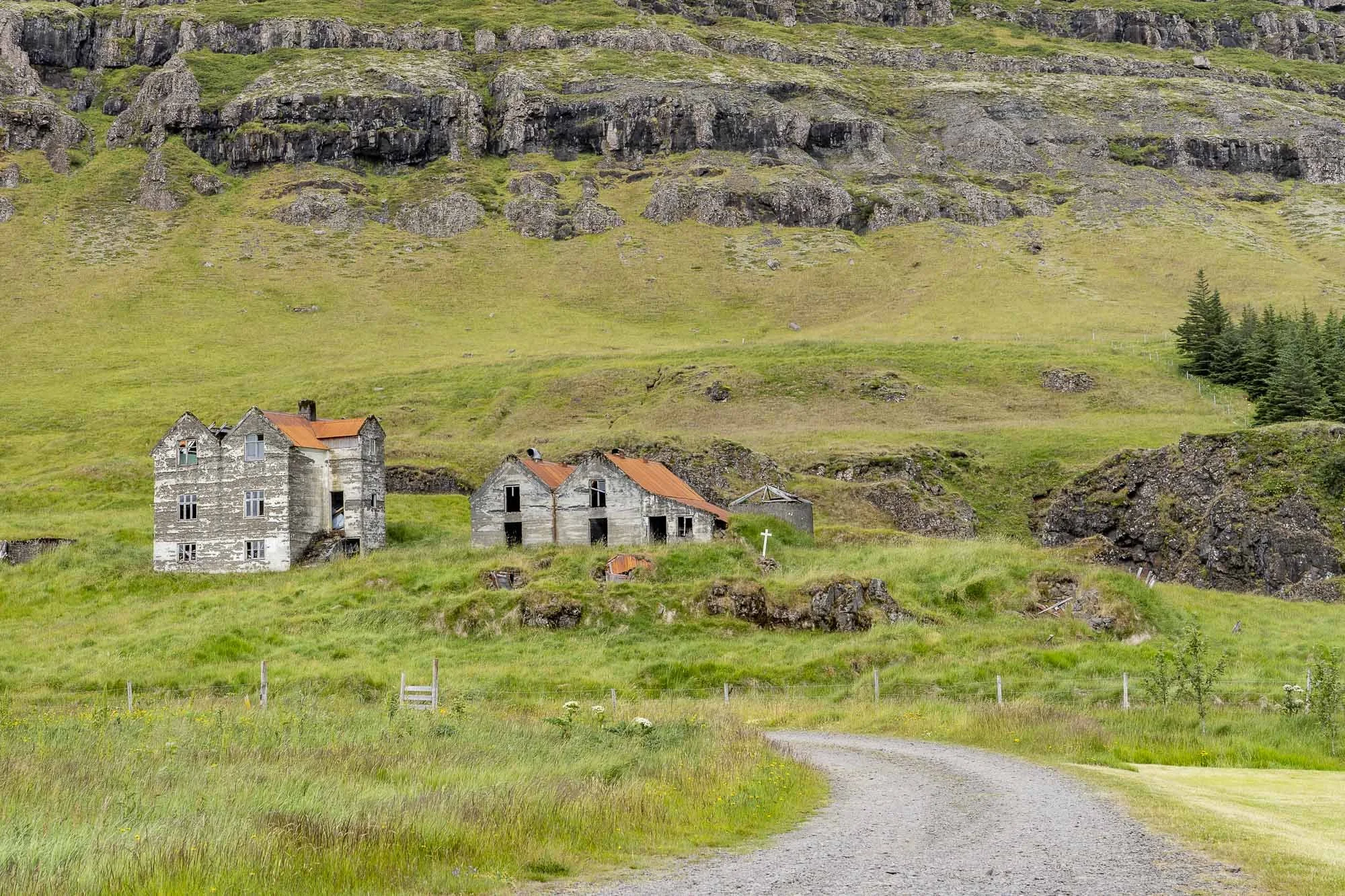
By then the weather had changed again. The wind had picked up dramatically, carrying dust and fine volcanic material through the air. Visibility toward Vestrahorn was poor enough that we started wondering whether staying at Stokksnes the following night was going to be worthwhile.
That created one of those travel moments where you start checking forecasts, reading reports and debating whether you should change your plans. In the end, we kept the reservation.
Iceland weather had changed quickly enough over the previous few days that abandoning a location because of one afternoon's conditions seemed premature. We decided to see what happened.
Once again, that turned out to be the right choice.
One More Morning with the Ice
Before leaving the Jökulsárlón area the following morning, we headed back toward the lagoon.
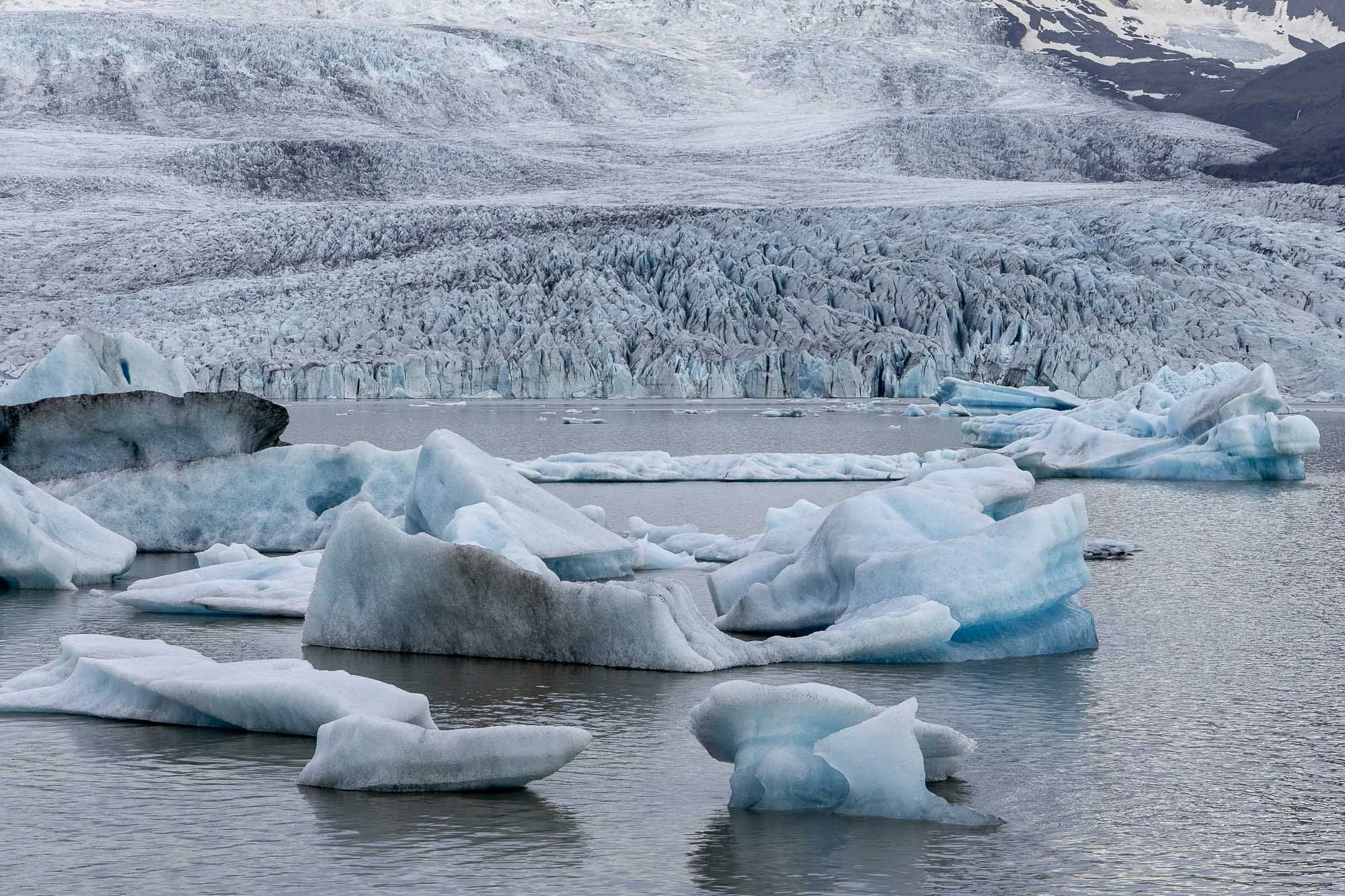
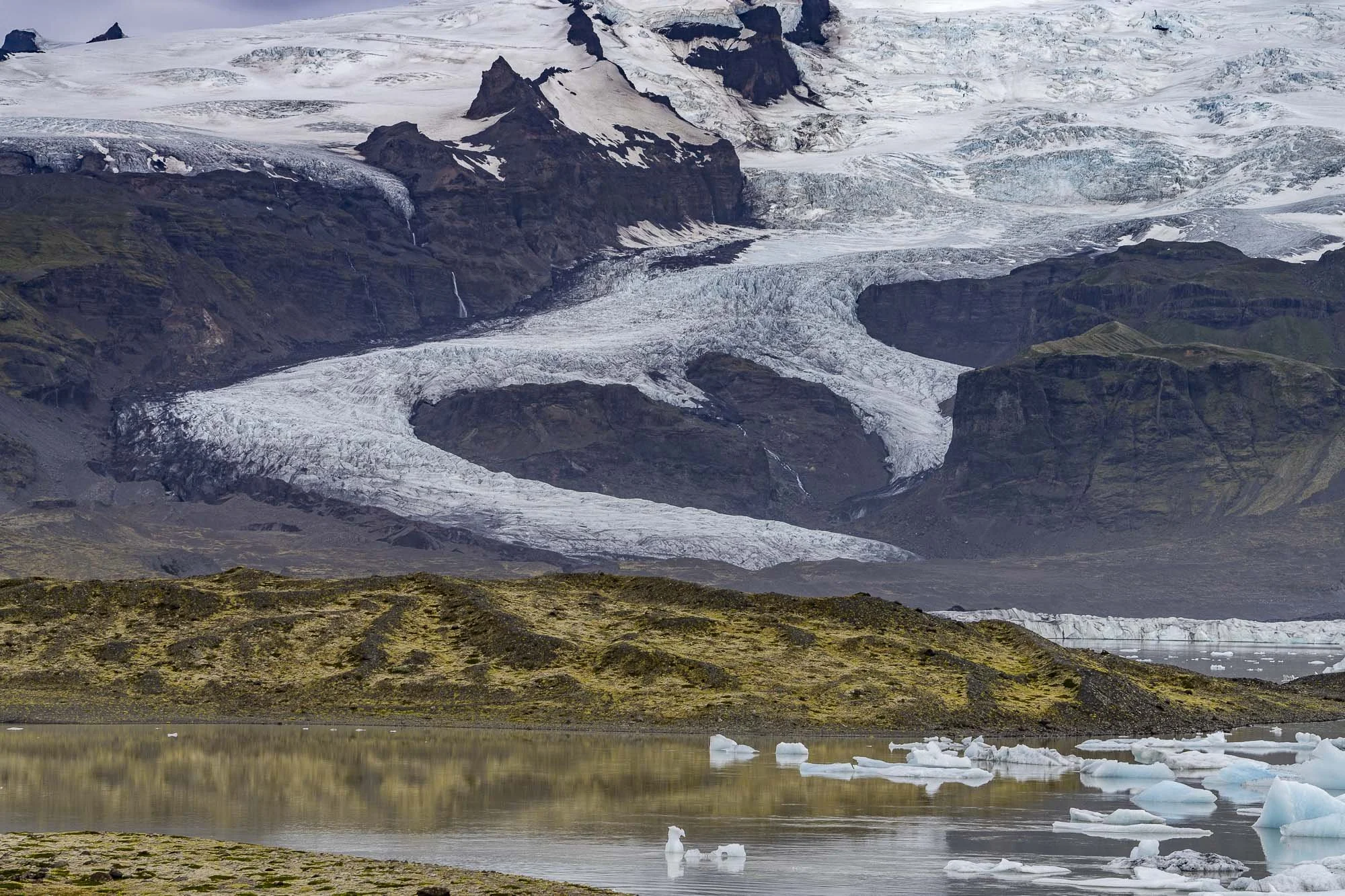
At Jökulsárlón, the calm water of the previous morning was gone. The lagoon was choppy and considerably less appealing photographically, so rather than force it, we continued to nearby Fjallsárlón.
Fjallsárlón is smaller and much quieter than its famous neighbour. The wind was still strong and the morning was cold, but we were able to spend some time photographing and flying the drone.
The conditions didn't produce anything we considered extraordinary, but that didn't make the stop unsuccessful. It was simply enjoyable to be there — surrounded by glacier, water and ice, with considerably fewer visitors around us.
East to Stokksnes
After returning to our accommodation, packing up and taking advantage of a leisurely noon checkout, we began the short drive east.
After a short stop in Höfn, we headed for Viking Café and the Stokksnes Peninsula, our base for the night. Our first impression of Viking Café itself was somewhat uncertain. It has an eclectic collection of buildings and attractions, and at first glance we weren't entirely sure what we'd booked ourselves into.
Our room wasn't ready yet, but we were able to head onto the peninsula and explore. That was where everything changed.
Rocky Beach
We drove as far as we could toward an area known as Rocky Beach, parked and went for a walk. Not expecting much, we took only our phones.
Naturally, it turned out to be beautiful.
The coastline felt wild and quiet, with dark rocks, ocean views, summer lupins and the remnants of old foundations scattered through the landscape. One of the jagged peaks nearby is Brunnhorn, often nicknamed “Batman Mountain” because its distinctive silhouette resembles the Batman logo. Once someone points it out, it’s rather difficult not to see it. We wandered without any real plan, and it became one of those unexpected stops that we enjoyed simply because we weren't trying to accomplish anything.
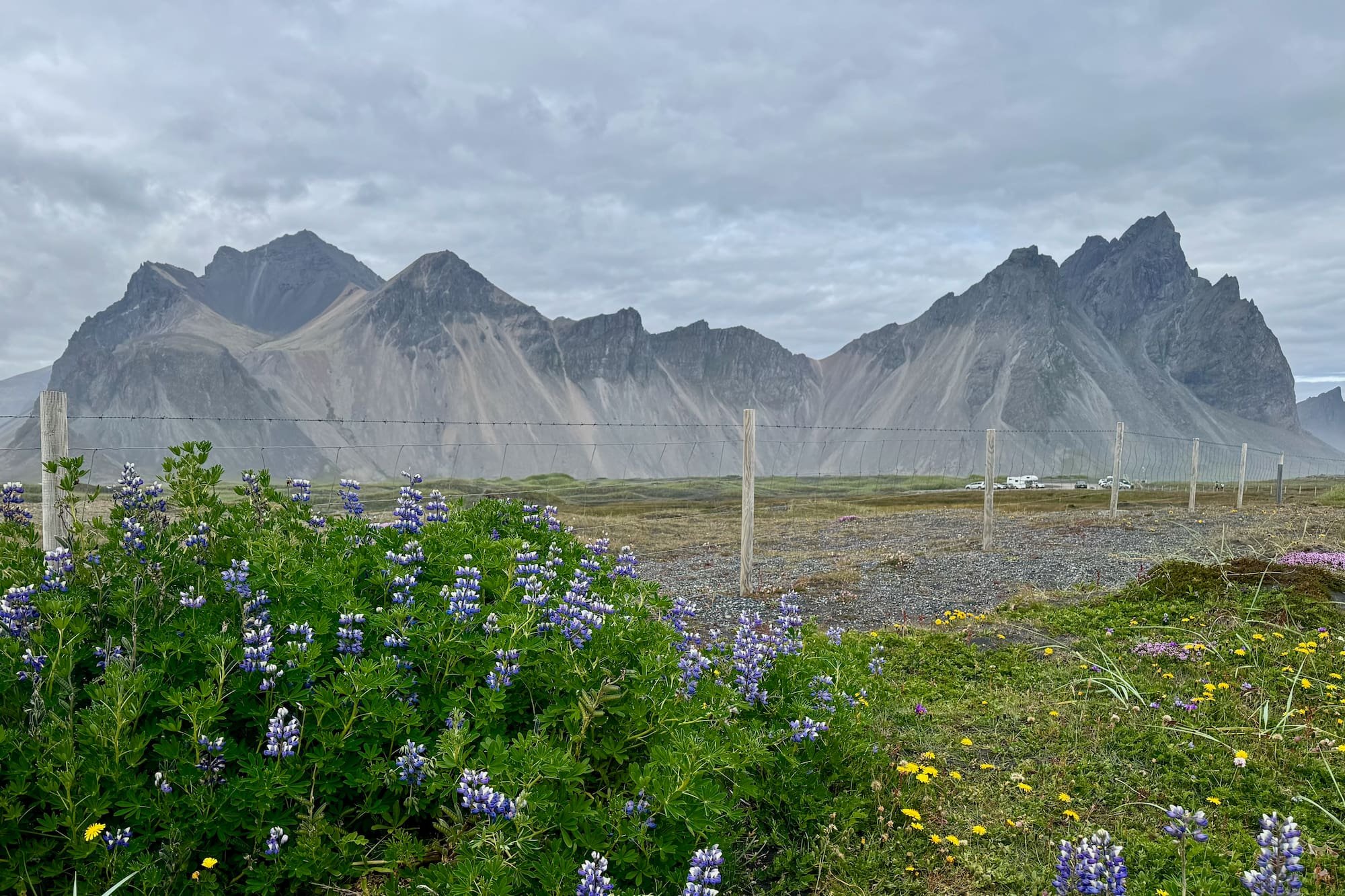
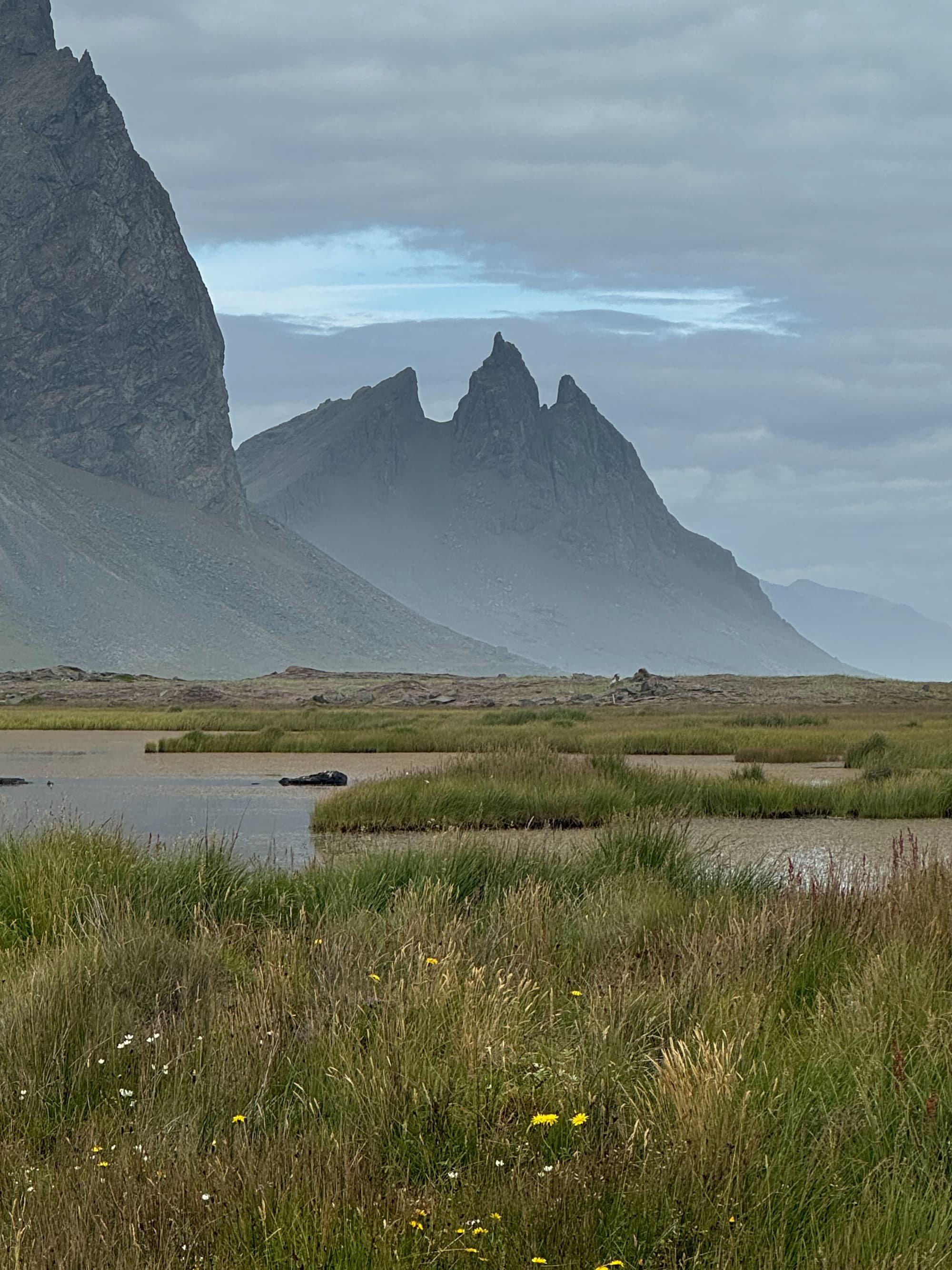
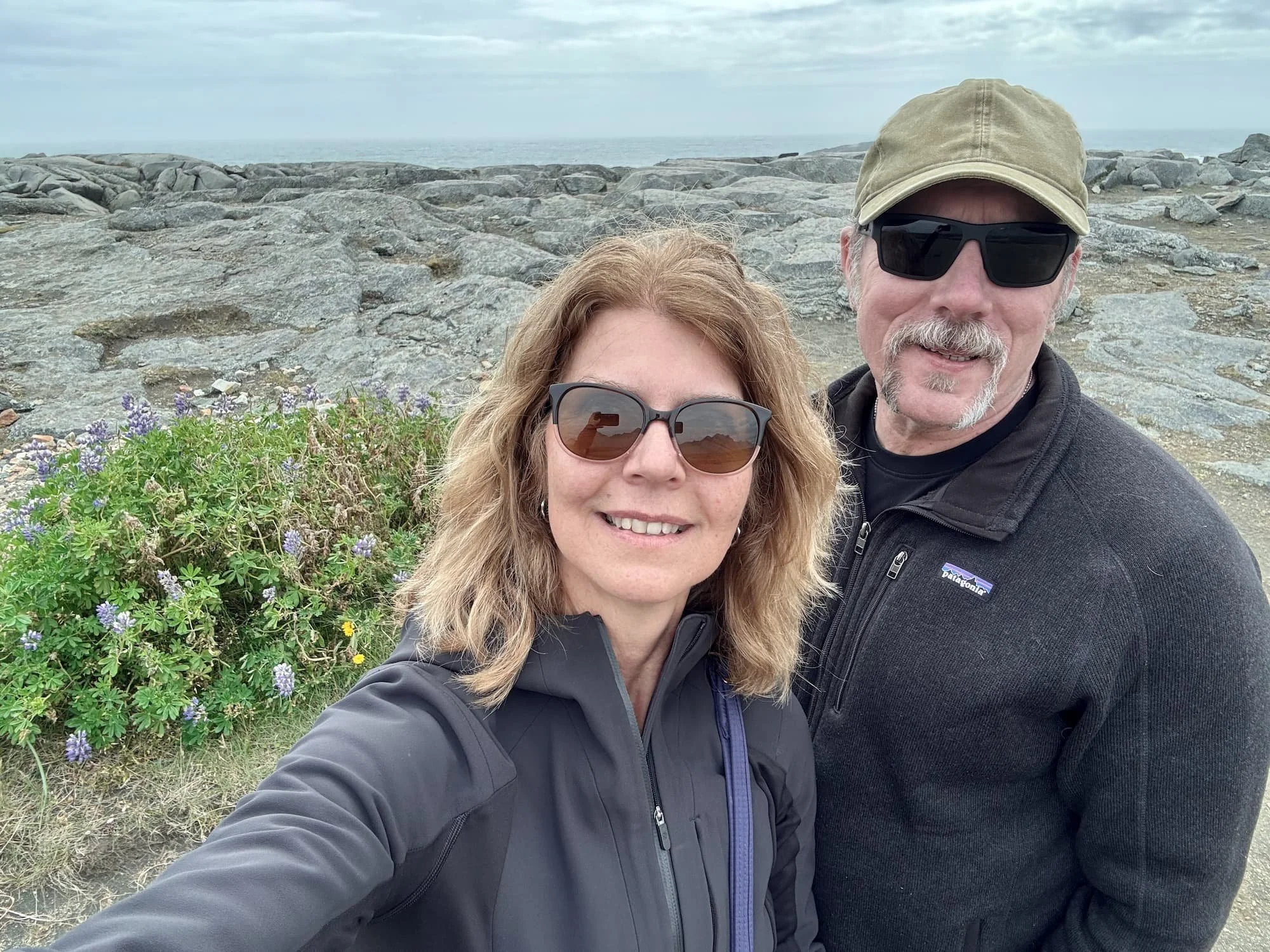
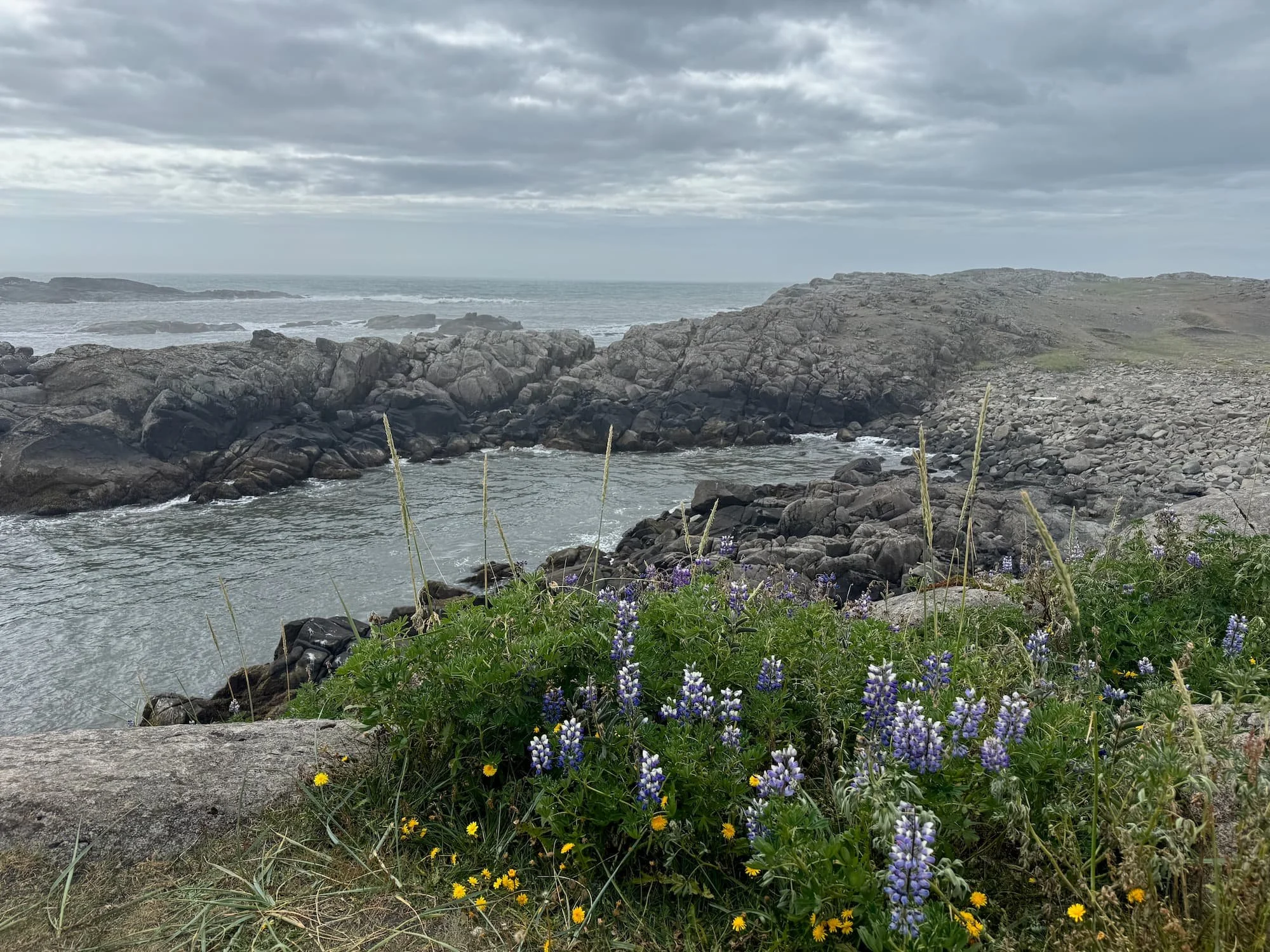
We came back with surprisingly good phone photographs and the familiar thought that perhaps we should have brought the cameras.
But there is something to be said for occasionally walking without carrying several kilograms of photography gear.
On the way back we stopped at several viewpoints of Vestrahorn, photographing the mountain both from the dunes and reflected in shallow water. It was the middle of the day and the light wasn't dramatic, but even in ordinary conditions Vestrahorn is an impressive mountain.
Our first proper look at Vestrahorn — impressive even under the fairly ordinary midday light.
Our room for the night was near the stables, where a couple of Icelandic horses provided another photography opportunity close to home.
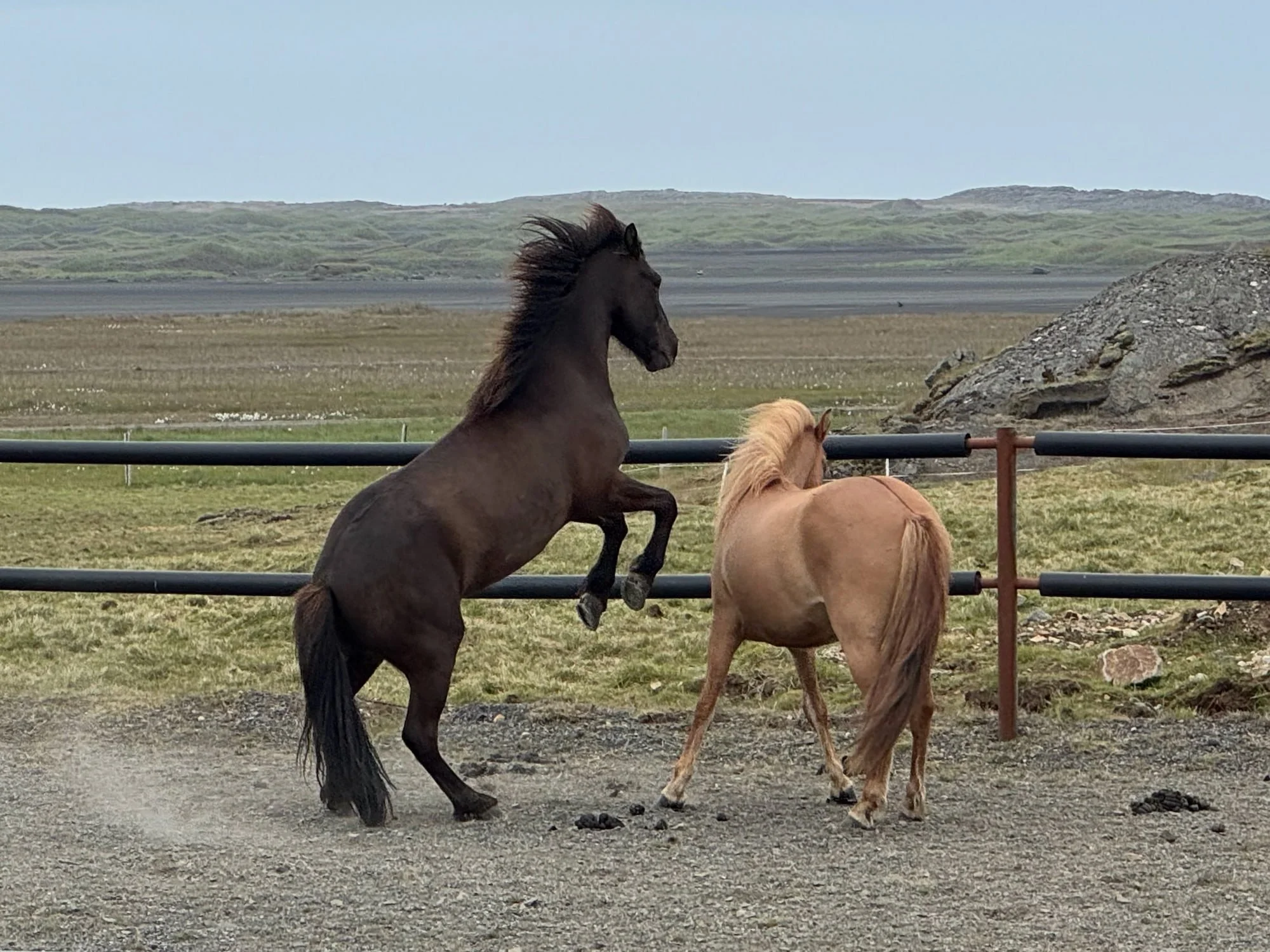
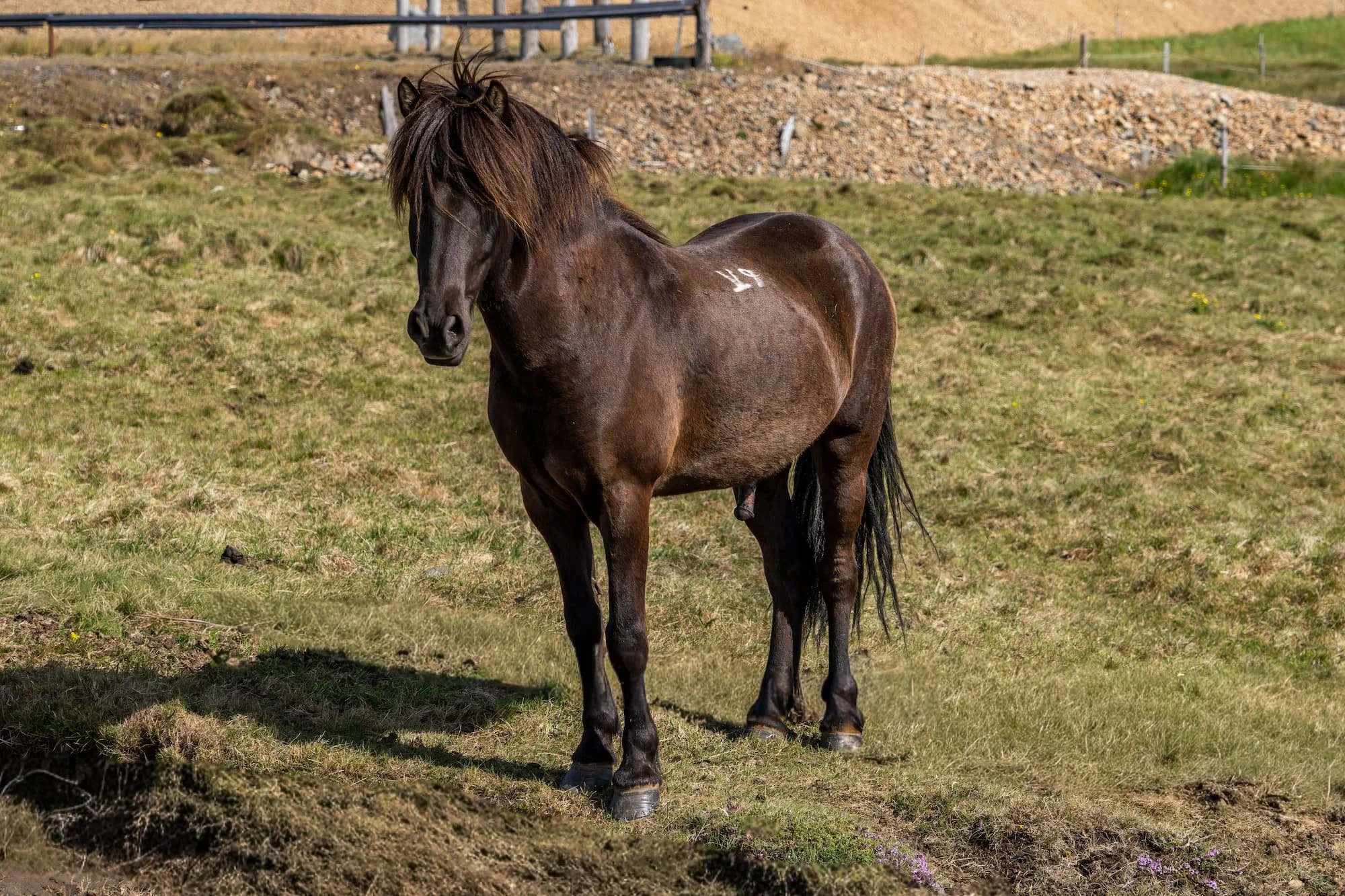
The sky remained heavily overcast into the evening, so there was little reason to stay awake waiting for sunset light.
We set an early alarm and headed out to photograph Vestrahorn from the dunes. The morning light was soft, the dunes were clean, and with few people around we had time to work with the curves of the sand and the mountain beyond. It was one of those quiet Iceland mornings that made the early start worthwhile.
Vestrahorn rising above the black sand dunes of Stokksnes — one of the most dramatic landscapes of our Iceland journey.
Turning West Again
By late morning we had packed up and started retracing our route west.
We passed Jökulsárlón again, but by then the area was extremely busy and the conditions weren't offering anything we hadn't already photographed. After the quiet morning we'd experienced two days earlier, we were happy to keep driving.
Our main stop was Hofskirkja, the small turf church at Hof. With its grass-covered roof and low profile, it seems almost to grow directly out of the surrounding landscape. We stopped for a few photographs before continuing west.
Hofskirkja, one of Iceland’s distinctive turf churches, seems almost to disappear into the landscape beneath the rocky hills of Hof.
That night we stayed in a tiny, wonderfully equipped house that gave us a comfortable pause between sections of the trip. We had originally hoped to visit Fjaðrárgljúfur Canyon that afternoon, but the canyon was already in shadow and busy, so we decided to leave it for the following morning.
As we would discover more than once, Iceland didn't always cooperate with the schedule we had drawn up before leaving home.
By then, though, we were becoming more comfortable with that.
The glaciers and dramatic coast of southeast Iceland were behind us, and the next part of the trip would take us inland — toward quieter roads, a very different landscape, and one of the unexpected highlights of the journey.
Continue the Journey
From the glaciers and wild coast of southeast Iceland, we turn inland for quieter landscapes — an early morning at Brúarfoss, the hidden valley of Gjáin and blue hour beneath Kirkjufell.
Continue to Gjáin, Brúarfoss and Kirkjufell →